
Health
Health conditions that can cause watery eyes

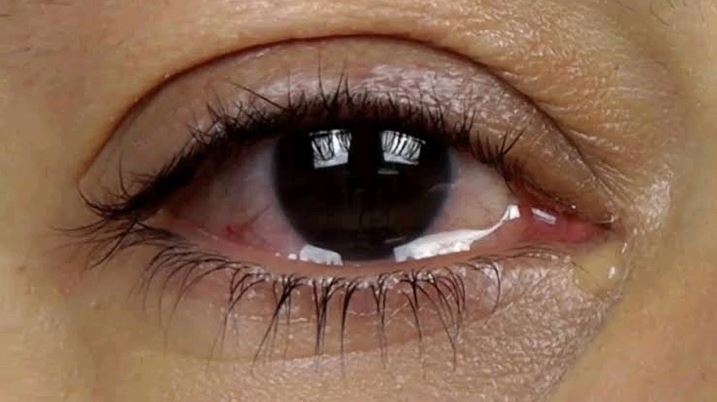
Tears play various vital roles in your body. According to experts, they keep your eyes lubricated and aid in removing foreign particles and dust. They are also a part of your immune system, which protects you from infection.
Tears are produced by glands under the skin of your upper eyelids and include water and salt. Tears spread, and keep your eyes moist when you blink. Other glands secrete lubricants that prevent tears from evaporating too quickly or flowing out of your eyes.
Tears are generally ejected and evaporated by your tear ducts. When you cry too much, your tear ducts become overburdened, resulting in wet eyes.
Watery eyes usually go away on their own, although they can occasionally become a chronic problem.
If you have prolonged watery eyes, especially if they are followed by other symptoms, consult your doctor.
Causes of Watery Eyes
Excessive tears are prevalent when you are upset, laughing, coughing, vomiting, experiencing strong taste sensations, or yawning.
Dry eye syndrome is one of the most prevalent causes of watery eyes. Excessive tears can be caused by extremely dry eyes. Because your eyes are not properly lubricated, you generate an oversupply of tears, which perpetuates the cycle.
The eyes can get overly dry if your tears do not contain the proper balance of oil, salt and water. As a result of the irritation, your tear ducts are clogged, causing an overproduction of tears.
Other common causes include:
Dusty weather, wind, cold, and sunshine are examples of weather conditions.
Strain on the eyes.
Allergies, common cold, and sinus difficulties.
Infection of the eyelids (blepharitis)
Eyelid turned outward (ectropion) or inward (intropion).
Eyelash growth (trichiasis).
Infections such as pink eye (conjunctivitis).
Tear ducts clogged.
Foreign particles, chemicals, or unpleasant gases and liquids in the eyes.
An eye injury, such as a cut or scratch.
Watery eyes are typically transient and resolve on their own once the underlying reason is addressed or your eyes have recovered. However, the problem may remain in some circumstances.
Most occurrences of watery eyes aren’t significant and will go away on their own. If you notice any changes in your eyesight, you should always contact your eye doctor soon. Vision alterations might be a sign of more serious eye disorders that necessitate immediate care.


-

 Latest2 days ago
Pastor Chris Oyakhilome announces mother’s passing at 88 [VIDEO]
-

 Football5 days ago
Saka: England still carry World Cup scar
-

 Comments and Issues1 week ago
Sometimes, goodwill finds us through the people we love
-

 Latest3 days ago
Arsenal eye €70-80m move for Real Madrid star
-

 Business6 days ago
CBN reduces MPR by 350bps to 23% in major monetary policy shift
-

 Latest2 days ago
How adulterated palm oil, coloured pepper are putting consumers at risk
-

 Crime3 days ago
Police arrest suspect, launch manhunt for 2 others over Delta Education Director’s death
-

 Crime2 days ago
Deaths in NSCDC Custody: Can Nigeria guarantee the safety of detainees?