
Health
Health conditions that can cause watery eyes

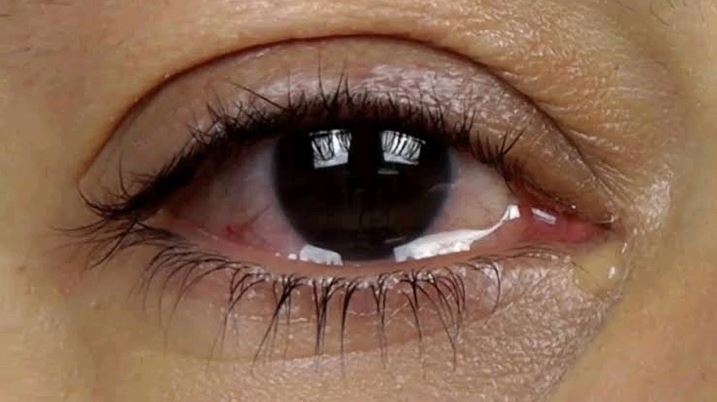
Tears play various vital roles in your body. According to experts, they keep your eyes lubricated and aid in removing foreign particles and dust. They are also a part of your immune system, which protects you from infection.
Tears are produced by glands under the skin of your upper eyelids and include water and salt. Tears spread, and keep your eyes moist when you blink. Other glands secrete lubricants that prevent tears from evaporating too quickly or flowing out of your eyes.
Tears are generally ejected and evaporated by your tear ducts. When you cry too much, your tear ducts become overburdened, resulting in wet eyes.
Watery eyes usually go away on their own, although they can occasionally become a chronic problem.
If you have prolonged watery eyes, especially if they are followed by other symptoms, consult your doctor.
Causes of Watery Eyes
Excessive tears are prevalent when you are upset, laughing, coughing, vomiting, experiencing strong taste sensations, or yawning.
Dry eye syndrome is one of the most prevalent causes of watery eyes. Excessive tears can be caused by extremely dry eyes. Because your eyes are not properly lubricated, you generate an oversupply of tears, which perpetuates the cycle.
The eyes can get overly dry if your tears do not contain the proper balance of oil, salt and water. As a result of the irritation, your tear ducts are clogged, causing an overproduction of tears.
Other common causes include:
Dusty weather, wind, cold, and sunshine are examples of weather conditions.
Strain on the eyes.
Allergies, common cold, and sinus difficulties.
Infection of the eyelids (blepharitis)
Eyelid turned outward (ectropion) or inward (intropion).
Eyelash growth (trichiasis).
Infections such as pink eye (conjunctivitis).
Tear ducts clogged.
Foreign particles, chemicals, or unpleasant gases and liquids in the eyes.
An eye injury, such as a cut or scratch.
Watery eyes are typically transient and resolve on their own once the underlying reason is addressed or your eyes have recovered. However, the problem may remain in some circumstances.
Most occurrences of watery eyes aren’t significant and will go away on their own. If you notice any changes in your eyesight, you should always contact your eye doctor soon. Vision alterations might be a sign of more serious eye disorders that necessitate immediate care.


-

 Latest1 week ago
Full List: Meet the 2026 Nobel Prize winners across six categories
-

 Football7 days ago
Premier League Matchweek 7: Five Fixtures That Could Shape the Weekend
-

 Business6 days ago
Dangote Refinery IPO: 70% Subscription claim meets fourfold demand assertion as investors seek clarity
-

 Latest6 days ago
Umahi defends Lagos-Calabar highway route changes amid public outcry
-
Business6 days ago
Dangote Refinery IPO Extension: Was the 70% subscription report overhyped?
-

 Latest4 days ago
UCTH faces morgue crisis as 50 unclaimed corpses await mass burial
-

 Business4 days ago
BREAKING: Nigeria’s Inflation Rate Drops to 14.63% in September
-

 Featured6 days ago
El-Rufai, ADC governorship candidate’s court appearance puts Kaduna opposition politics in focus