
Business
Trump-Xi summit sparks fresh questions for Nigeria’s economy, tech sector

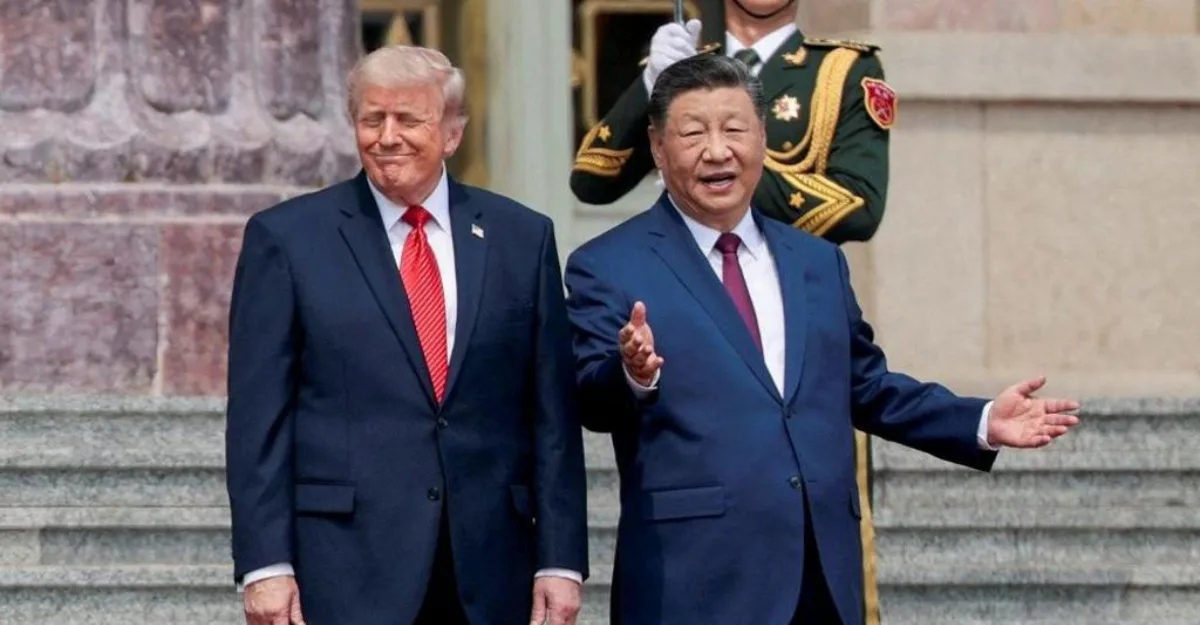
The conclusion of the high-profile summit between Donald Trump and Xi Jinping in Beijing is already generating debate among Nigerian economists, business leaders, and technology entrepreneurs over what a renewed U.S.-China understanding could mean for Africa’s largest economy.
The three-day meeting, which ended on Friday, focused heavily on trade stability, technology cooperation, manufacturing supply chains, and global market confidence after months of economic tensions between both powers. While Washington and Beijing projected a more business-focused relationship, analysts in Nigeria say the implications could reshape investment flows, telecom infrastructure, and export opportunities across the country.
For Nigeria, the summit comes at a delicate moment as the country grapples with inflationary pressure, foreign exchange volatility, and slowing foreign investment inflows. Observers say the easing of tensions between the world’s two largest economies could influence everything from venture capital funding to crude oil demand and telecommunications expansion.
Within Nigeria’s technology sector, many startup founders believe improved relations between the U.S. and China may help stabilize global investor confidence after an extended slowdown in funding across emerging markets.
Industry stakeholders in Lagos’ Yaba technology cluster argue that reduced uncertainty between Washington and Beijing could encourage international investors to gradually return to African markets, including Nigeria’s fintech and digital commerce ecosystem.
According to technology analysts, the summit also highlights Nigeria’s growing dependence on both Western software systems and Chinese telecommunications infrastructure.
Nigeria’s telecom industry continues to rely heavily on Chinese firms such as Huawei and ZTE for network infrastructure and 5G expansion projects, while many Nigerian startups and developers increasingly build products around American artificial intelligence platforms and cloud services.
Analysts warn that this dual dependence could place Nigeria in a complicated position as both global powers continue competing for technological dominance despite the diplomatic thaw.
“The reality is that Nigeria sits between two competing systems,” said Lagos-based technology analyst Tunde Adeyemi. “China supplies much of the affordable hardware infrastructure, while American firms dominate the software and AI ecosystem. Nigerian businesses are trying to survive within both worlds.”
Trade experts also point to the broader implications of Washington’s evolving “America First” trade policies. Recent tariff measures affecting several foreign trading partners have increased concerns among Nigerian exporters about access to the U.S. market, particularly for agricultural and manufactured goods.
At the same time, China has continued expanding commercial engagement across Africa through infrastructure financing, manufacturing partnerships, and digital investment initiatives.
Economists say Nigeria may increasingly lean on regional trade frameworks such as the African Continental Free Trade Area to reduce exposure to external geopolitical shocks.
The summit’s outcome may also affect global energy markets, a critical factor for Nigeria’s oil-dependent economy. China remains one of the world’s largest consumers of crude oil, and stronger industrial activity following improved trade stability could sustain international demand for Nigerian crude exports.
However, some analysts caution that continued geopolitical competition between Washington and Beijing means Nigeria must avoid overdependence on either bloc.
“There is now a growing consensus that Nigeria needs a more self-protective economic strategy,” said economist Dr. Tunde Omisore. “The major powers will always prioritize their domestic economies first. Nigeria must focus on local production, digital innovation, and regional trade if it wants long-term economic stability.”
Business leaders say the summit reinforces the urgency for Nigeria to strengthen domestic manufacturing capacity, improve energy supply, and expand indigenous technology development to reduce vulnerability to external economic disputes.
As global power dynamics continue shifting, many observers believe the Beijing talks represent more than a diplomatic event. For Nigeria, they say, the outcome could shape investment patterns, technology access, export competitiveness, and economic policy choices in the years leading up to 2027.


-

 Trending Stories7 days ago
Davido, Wizkid, Burna Boy or Asake: Who is having the biggest 2026 so far?
-

 Football6 days ago
Premier League releases 2026/27 festive fixtures, 7 matches set for Boxing Day
-

 Business5 days ago
Jetour Nigeria, dealers take dashing, other models to Abuja Experience
-

 Crime6 days ago
Anambra Police arrest mother over alleged child sexual exploitation
-

 Business6 days ago
Dangote Refinery IPO shifts spotlight to corporate governance, investor protection
-

 Energy1 week ago
Brent crude tops $100: What higher oil prices mean for Nigeria
-

 Business6 days ago
Naira gains ground as Euro holds around N1,548, reserves hit 18-year high
-

 Business3 days ago
Dangote IPO rush crashes Bamboo login as investors flood platform