


Connect with us

Energy

UK eases restrictions on Russian oil imports amid Middle East energy crisis

Published

on

UK eases restrictions on Russian oil imports amid Middle East energy crisis

The United Kingdom has introduced temporary adjustments to its sanctions regime on Russian energy imports, allowing refined oil products made from Russian crude in third countries to enter the British market as authorities move to shield the economy from worsening global energy disruptions.

The emergency trade measure, announced by the Department for Business and Trade, permits the importation of products such as jet fuel and diesel refined from Russian crude through intermediary countries including India and Turkey.

British authorities also approved a temporary easing of restrictions on maritime services linked to liquefied natural gas (LNG) from Russia’s Yamal and Sakhalin-2 projects, with the arrangement expected to remain in place until January 1, 2027.

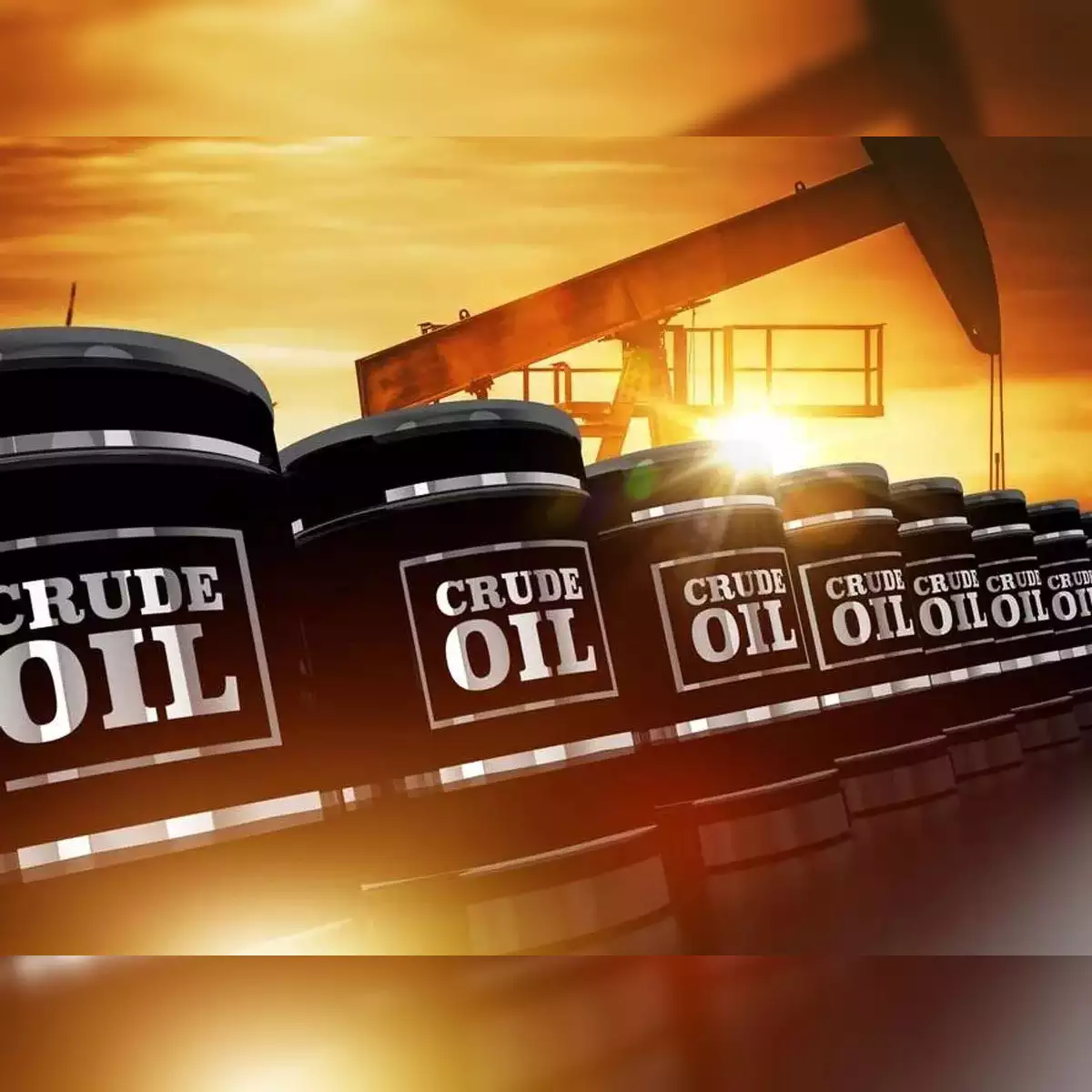
The decision comes amid mounting pressure on global energy markets following escalating conflict in the Middle East and disruptions along the Strait of Hormuz, a strategic shipping corridor responsible for transporting a significant share of the world’s oil supply.

The crisis has driven global crude prices sharply upward, with Brent crude nearing $110 per barrel, raising fears of fuel shortages and increasing inflationary pressure across Europe.

Defending the policy adjustment, Treasury Minister Dan Tomlinson said the government was acting to protect critical sectors of the economy from severe supply shocks.

“We have to ensure the security of supply for essential goods within the economy,” Tomlinson said, stressing that the UK’s support for Ukraine and broader sanctions against Russia remain in place despite the temporary flexibility.

Prime Minister Keir Starmer also insisted that the measure does not amount to a reversal of sanctions policy, describing it as a short-term mechanism intended to manage supply stability during an exceptional global energy emergency.

The UK had previously announced plans in 2025 to close loopholes allowing refined products derived from Russian oil to enter through third-party nations. The latest trade license effectively delays the full enforcement of those tighter restrictions.

Trade Minister Sir Chris Bryant later acknowledged criticism surrounding the government’s communication of the policy, describing the rollout as “clumsy” while reiterating that Britain’s long-term objective remains the complete reduction of reliance on Russian-linked energy products.

The decision has, however, triggered criticism from political opponents and international allies.

Conservative leader Kemi Badenoch accused the government of weakening its stance against Moscow while maintaining restrictions on expanded domestic energy exploration.

Some lawmakers and foreign policy analysts also warned that easing restrictions, even temporarily, could undermine broader Western efforts to reduce Russian energy revenues linked to the war in Ukraine.

Ukrainian officials expressed concern over the policy, arguing that any continued access to global energy markets could still provide economic benefits to the Kremlin.

The European Union has also reportedly distanced itself from the British approach, insisting it has no plans to soften its own sanctions on Russian energy exports.

British officials say the temporary licensing arrangement will remain under periodic review as global energy markets continue to fluctuate amid geopolitical tensions and supply uncertainty.

Continue Reading
Advertisement
Click to comment

Leave a Reply

Your email address will not be published.

Trending