
Crime
FirstBank Bullet Parcel: Questions mount over police decision to declare Obaigbena, eight others wanted

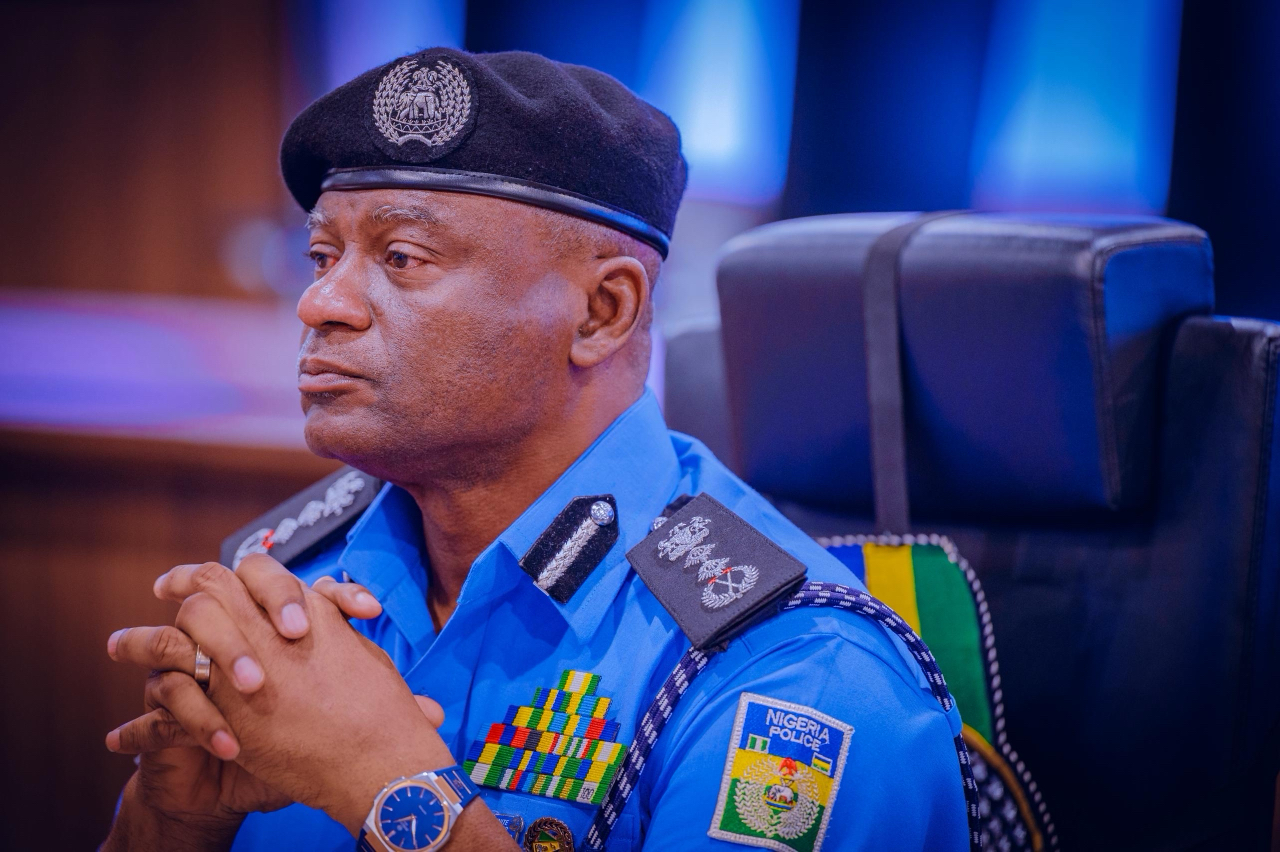
The decision by the Nigeria Police Force to declare nine prominent business executives wanted over a parcel containing live ammunition delivered to the Managing Director of FirstBank, Olusegun Alebiosu, has raised questions about the evidence linking the individuals to the alleged threat and the procedure followed by the police.
Among those affected was Nduka Obaigbena, Chairman of THISDAY and ARISE News, who publicly denied receiving any police invitation before the announcement. The list also included the chairman of Nestoil, Ernest Azudialu-Obiejesi, and Sahara Group Executive Director, Tope Shonubi.
The controversy intensified after the Inspector-General of Police, Olatunji Disu, reversed the wanted declaration on Wednesday, November 25, and ordered the transfer of the investigation to the Force Intelligence Department (FID), Abuja, for a fresh and impartial investigation.
The IGP also directed that the wanted notices be suspended pending the conclusion of the investigation and instructed all parties to report to the FID between November 26 and 30.
The development has brought renewed attention to the circumstances surrounding the alleged delivery of ammunition to Alebiosu, the police investigation led by Assistant Inspector-General of Police, Olohundare Moshood Jimoh, and the evidence used to identify the nine individuals as suspects.
How the investigation started
According to the police, the case originated on May 7, 2026, when a parcel disguised as a gift package was delivered to Alebiosu’s official residence in Lagos.
The package was reportedly received by domestic security personnel and opened the following morning, May 8, when two rounds of live 7.62mm ammunition were discovered inside.
The police said the parcel was delivered by a dispatch rider whose identity, as well as that of the sender, remained unknown.
Following a complaint by the bank chief, investigators reportedly assembled a team of detectives, ballistic experts and forensic specialists to establish the circumstances surrounding the delivery and identify those responsible.
The Lagos State Police Command initially confirmed that it was investigating the incident. Commissioner of Police Tijani Fatai said no suspect had been arrested at the time, while investigators were reportedly examining CCTV footage around the Ikoyi area to identify the dispatch rider.
The investigation was subsequently handled by the Zone 2 Police Command under AIG Jimoh.
Why were nine people declared wanted?
In explaining the decision, Jimoh said preliminary investigations had linked the alleged threat to FirstBank’s loan recovery activities involving customers with outstanding debts running into billions of naira.
He alleged that some customers had confronted bank representatives and threatened Alebiosu during meetings connected to the recovery process.
According to the AIG, 10 individuals considered relevant to the investigation were invited through letters dated November 5 and asked to appear for questioning on November 12.
He said only one person, identified as Eze Emmanuel of Energy Shield Petrochemical Limited, honoured the invitation, while the remaining nine failed to appear.
Jimoh subsequently declared the nine wanted, arguing that the investigation into an alleged threat against the life of the bank chief and his family could not remain unresolved.
Those listed included Henry Kayode Ojogho of Broron Limited, Emmanuel Iheagwazi of Necit Nigeria Limited, Eze David of Energy Shield Petrochemical Limited, Tope Shonubi of Sahara Group, Ernest and Nnenna Azudialu-Obiejesi of Nestoil, Emmanuel and Victoria Orim of Luzen Plaza, and Obaigbena, identified in the police announcement with General Hydrocarbon Limited.
However, the police announcement did not publicly establish the specific role allegedly played by each individual in the delivery of the parcel or explain the evidence connecting them individually to the suspected offence.
This has become a central issue in the controversy.
If the identity of the dispatch rider and the person who sent the package remained unknown, what specific evidence connected each of the nine individuals to the delivery?
Were the individuals declared wanted because investigators had established their involvement in the alleged threat, or because they were considered relevant persons who had been invited for questioning but failed to appear?
And what investigative findings justified moving from inviting individuals for questioning to publicly declaring them wanted?
These are questions the police investigation must now address.
Obaigbena denies receiving police invitation
Obaigbena rejected the police action, insisting that he had not received any invitation from the Nigeria Police Force or any other law enforcement agency.
In a statement issued on November 25, his office said it had checked his various addresses and offices without finding any invitation.
He described the wanted declaration as a smear campaign and maintained that he had no reason to threaten Alebiosu.
Obaigbena also disclosed that he had been communicating with senior police authorities in recent weeks, including discussions about state policing, without being informed that investigators required his attention.
He further explained that his relationship with FirstBank involved commercial disagreements over outstanding financial obligations involving THISDAY, ARISE News and General Hydrocarbon Limited.
According to his statement, discussions had been ongoing to resolve the financial disagreements, which he insisted were commercial rather than personal.
He also questioned whether the police had investigated other individuals within FirstBank who might have had disagreements with the managing director.
His position raises another question: if police invitations were issued, what evidence exists that they were successfully delivered to all the individuals subsequently declared wanted?
The police have maintained that invitations were issued, but Obaigbena’s denial makes verification of service an important part of the investigation.
IGP reverses decision, orders fresh investigation
The controversy prompted the intervention of the Inspector-General of Police, Olatunji Disu, who ordered the suspension of the wanted declaration and transferred the case to the Force Intelligence Department in Abuja.
In a statement issued by Force Public Relations Officer, CSP Ani Iniedu, the police said the decision was intended to ensure a thorough and impartial investigation.
The IGP directed all parties involved to report to the FID between November 26 and 30, 2026.
The reversal is significant because it places the circumstances surrounding the original wanted declaration under renewed scrutiny and creates an opportunity for the police leadership to examine the evidence, the service of invitations and the investigative procedures followed by Zone 2.
It also raises questions about why the initial decision was considered appropriate before the IGP intervened.
AIG Jimoh’s previous controversy over Ajiran killings
The latest controversy has also revived public scrutiny of Jimoh’s handling of another high-profile investigation involving the killings of two people in the Ajiran community of Lagos.
The case concerns the murders of Sheriff Salami Ishola in April 2023 and Prince Ademola Akinloye in August 2024.
Businessman Ahmed Hammed Tajudeen Akanbi was subsequently identified by the police as a principal suspect in connection with the killings. Jimoh, who was then involved in the investigation as Lagos Commissioner of Police, said statements allegedly obtained from arrested suspects implicated Akanbi in the murders.
However, Akanbi’s lawyers and supporters challenged the police account, raising questions about his alleged involvement and the evidence used to implicate him.
One major issue concerned his whereabouts when the killings occurred.
Documents and claims circulated by his supporters, including materials attributed to immigration records, were presented as evidence that he was outside Nigeria when the two murders took place.
The defence argued that the travel records supported his alibi and questioned how he could have participated directly in crimes committed while he was abroad.
However, being outside the country would not, on its own, rule out an allegation of conspiracy or financing a crime. The question of whether there was credible evidence connecting him to the killings remained a matter for judicial determination.
Another controversy emerged after social media commentator Martins Vincent Otse, popularly known as VeryDarkMan, alleged that two suspects in the Ajiran case claimed they were pressured into making statements implicating Akanbi.
According to reports of the allegations, the suspects claimed that a man identified as Bashiru Are Fakorede was present during their interrogation and instructed them on what to say.
The claims have not been independently established in court. The police, through a memorandum and statements attributed to the investigation, rejected allegations of misconduct and maintained that the case was supported by witness statements, confessional statements and other evidence.
AIG Jimoh also previously defended the investigation, insisting that the police had evidence capable of standing trial.
The Ajiran case remains a separate matter, and the allegations surrounding its investigation should not be treated as proof of wrongdoing by Jimoh in the FirstBank case. Nevertheless, the controversy illustrates why transparency and independent scrutiny are important whenever serious allegations are made against police investigators.
What must the new investigation establish?
With the IGP ordering a fresh investigation, several issues require clear answers.
First, investigators must establish who arranged the delivery of the parcel, identify the dispatch rider and determine whether the package can be traced through CCTV footage, telephone records, delivery records or other forensic evidence.
Second, the police should explain the evidence connecting each of the nine individuals to the alleged threat. A commercial relationship, outstanding debt or disagreement with a bank executive cannot, by itself, establish involvement in a criminal offence.
Third, investigators must establish whether the invitations were properly served and whether the individuals were given a reasonable opportunity to respond before the wanted declaration was made.
The police should also clarify whether the nine individuals were invited as witnesses, persons of interest or suspects, and what specific evidence informed their classification.
Finally, the investigation should establish whether the alleged threats during FirstBank’s loan recovery activities were documented, who made them and whether they had any connection with the parcel delivered to Alebiosu.
The Inspector-General’s intervention provides an opportunity to address these questions and restore confidence in the investigation.
The safety of Alebiosu and his family must be taken seriously, and whoever sent live ammunition to his residence, if established, must be identified and prosecuted.
But the seriousness of an alleged threat does not remove the obligation of the police to follow due process, establish reasonable grounds for suspicion and protect the rights of individuals under investigation.
The central issue is not whether the police have the authority to investigate people connected to a complaint. It is whether the evidence justifies the actions taken against each individual.
For a case involving prominent business figures, a bank executive and an allegation involving live ammunition, the public deserves an investigation that establishes facts rather than leaves unanswered questions about how suspects were identified.


-
 Business7 days ago
NGX loses N3trn in three days as Dangote Cement, Aradel, Banks lead sell-off
-

 Latest1 week ago
Tinubu’s 2027 re-election bid: New promises, old questions and an unfinished record
-

 Featured4 days ago
Four reportedly killed in Delta NDC attack as Tinubu’s ‘All Is Fair in Politics’ remark faces fresh scrutiny (Video)
-
 Latest1 week ago
2027: Dele Momodu predicts Peter Obi will defeat Soludo’s Tinubu mobilisation in Anambra
-
 Football7 days ago
Infantino hails Oborevwori over Warri Stadium remodelling, eyes major FIFA events
-
 Latest6 days ago
2027: Obi declares election day ‘Public Holiday’ for vote defence, warns against rigging
-
 Latest4 days ago
Abuja protesters March on INEC headquarters, demand accountability ahead of 2027 elections [video]
-

 Football3 days ago
Man United: Pochettino prioritises new striker over defensive signings in January