
Business
Fibre cuts, equipment theft endanger Nigeria’s digital economy

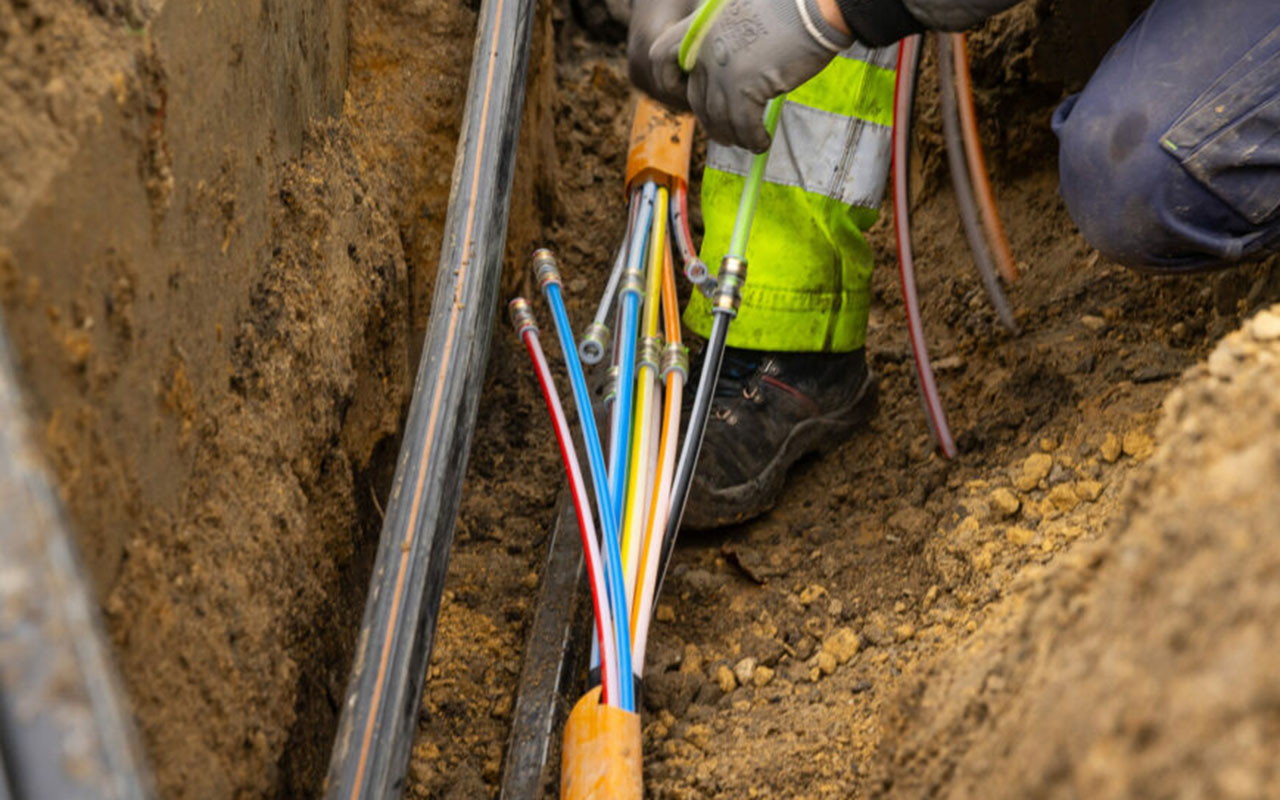
Millions of Nigerians woke up one June morning to a digital blackout — no phone calls, no bank transfers, no internet access. What many dismissed as “just another bad network day” turned out to be far more serious: a major fibre optic cable in Lekki, Lagos, had been deliberately vandalized.
The incident exposed a growing crisis threatening Nigeria’s digital backbone. Telecom operators across the country say they are engaged in a “silent war” against vandals, thieves, and in some cases, terrorists who target vital infrastructure.
According to MTN Nigeria, more than 6,000 fibre cuts were recorded in 2023 alone, costing the industry billions of naira in repairs and lost revenue.
Airtel disclosed that it suffers an average of 40 vandalism cases daily, ranging from stolen base station batteries to siphoned diesel and carted-away generators.
Stolen items often reappear in communities. Telecom site batteries, for instance, are resold as inverter batteries powering homes, while generators and fuel find their way into local black markets.
READ ALSO: Telecoms operators threaten to begin service shedding without tariff review – ALTON
Despite the deployment of tracking systems, operators admit criminals frequently outsmart the technology.
The consequences extend far beyond “bad network days.” Nigeria’s digital economy now contributes about 18 percent to the Gross Domestic Product (GDP).
Each time a fibre is cut, financial transactions stall, e-commerce platforms collapse, ride-hailing services freeze, and virtual classrooms shut down. In remote communities where mobile phones remain the only gateway to banking and emergency services, the impact can last for days.
Recognizing the threat, President Bola Tinubu’s administration in 2023 classified telecom infrastructure as critical national assets, placing them on the same priority level as military facilities and hospitals.
However, enforcement remains weak. Operators cite sabotage, local disputes, and even corruption as obstacles to safeguarding the facilities.
For millions of Nigerians, the implications are stark. Mobile phones have become wallets, offices, and lifelines in an economy increasingly dependent on connectivity.
Without stronger protection and enforcement, experts warn that the June blackout may be only a preview of deeper crises ahead.


-

 Sports3 days ago
Senegal opens Dakar 2026 Youth Olympic Games, Africa’s first Olympic event
-

 Latest6 days ago
Tinubu endorses Nigeria’s participation in 2026 World Travel Market London
-

 Football5 days ago
U-17 Women’s World Cup: Flamingos Beat Mexico to Reach Quarter-Finals
-

 News1 week ago
Rugby: Borthwick Faces Key Selection Questions as World Cup Looms
-

 Business3 days ago
NNPC’s N66-per-litre petrol discount set to end October 31
-

 Latest4 days ago
Netanyahu, Eisenkot face coalition deadlock as Israel struggles to form new government
-

 Crime1 week ago
Passengers feared abducted on Kebbi-Abuja journey as viral video shows armed men threatening captives (VIDEO)
-
 Featured5 days ago
How court ruling reshapes APC’s Imo West Senatorial contest