
Business
GTCO fashion weekend: As fashion evolves, Nigerian men are rewriting the rules of style

By Ogundele Eniola
For years, fashion for Nigerian men was governed by a relatively simple rulebook: keep it sharp, masculine and, above all, safe.
A well-tailored suit, a senator-style outfit, jeans and a T-shirt or the occasional colourful native attire were familiar expressions of male style. But on the streets, red carpets and increasingly on fashion runways, that rulebook is being rewritten.
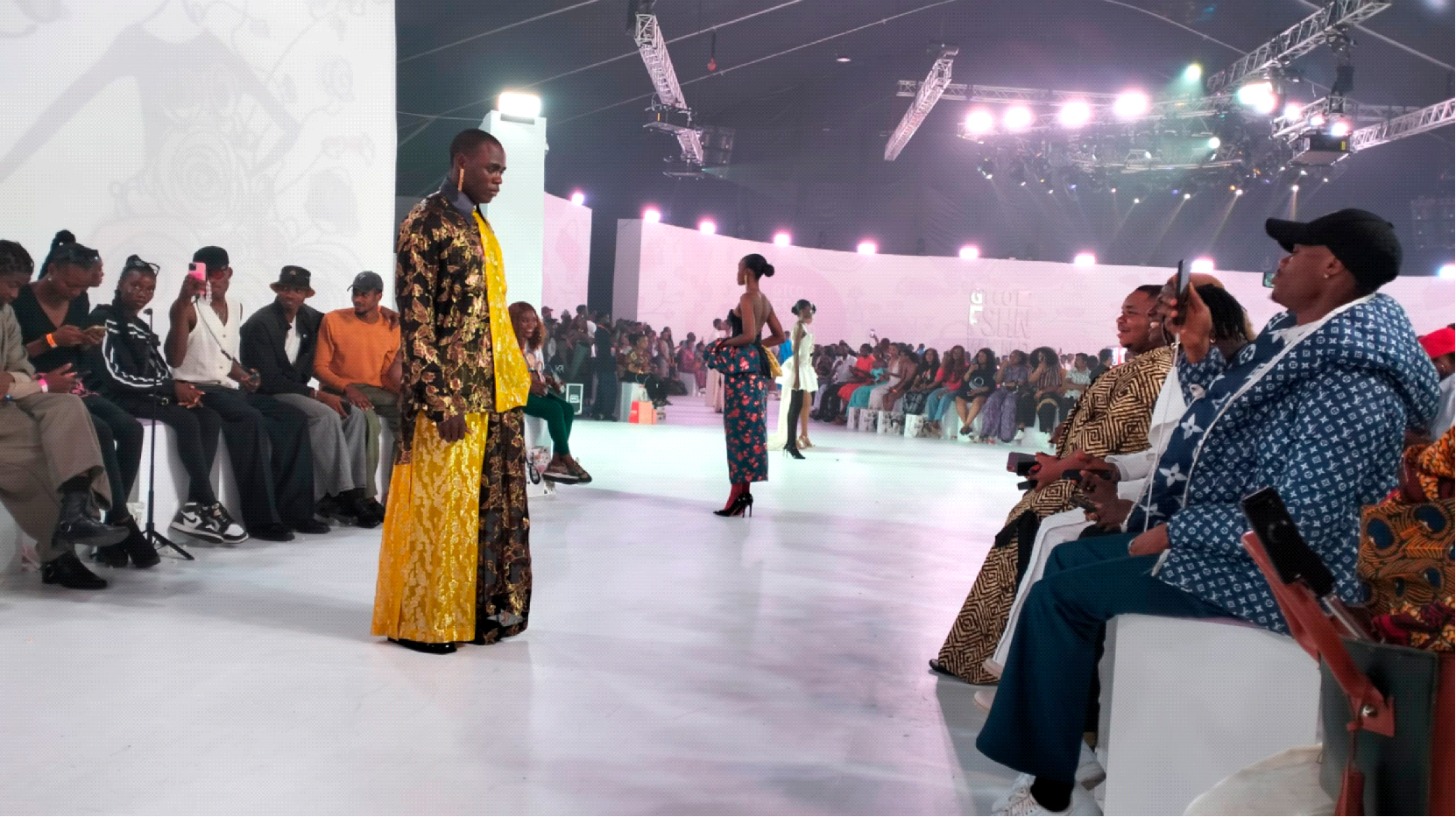
The recently concluded ninth edition of the GTCO Fashion Weekend offered another glimpse into that transformation, as designers, creatives and fashion lovers gathered in Lagos to celebrate the theme, “Fashion Is Timeless.” Held on November 7 and 8 at the GTCentre in Oniru, the event brought together 12 runway designers, fashion entrepreneurs and more than 140 retail brands, highlighting the growing intersection of fashion, culture and enterprise.
But beyond the glamour of the runway was a conversation that has become increasingly difficult to ignore: what does it mean to be fashionable as a man today?
For a new generation of Nigerian men, clothing is becoming less about following traditional ideas of masculinity and more about personal expression. Oversized silhouettes, jewellery, handbags, painted nails, skirts, unconventional fabrics and experimental styling are gradually finding their place in mainstream fashion conversations.
This shift, however, has not come without criticism. Following videos and photographs from the GTCO Fashion Weekend, some social media users questioned whether the growing embrace of expressive fashion among men was eroding traditional masculinity. Former reality television star Tboss was among those who publicly criticised some of the styles, reigniting the familiar debate over where fashion ends and gender expectations begin.
What one generation considers radical often becomes ordinary to the next. There was a time when trousers on women were controversial, when earrings on men attracted criticism and when African prints were largely reserved for traditional occasions rather than international runways.
For many young men, the new wave of fashion is not necessarily a rejection of masculinity but an expansion of what masculinity can look like. A man can wear a traditionally tailored suit one day and experiment with a more fluid silhouette the next. Style is increasingly becoming personal rather than prescriptive.
This evolution is particularly visible in Nigeria’s growing streetwear culture. GTCO Fashion Weekend’s dedicated Streetwear Hub reflected the influence of younger creatives who are drawing inspiration from music, social media, African heritage and global fashion while creating styles that do not always fit neatly into conventional categories.
READ ALSO; Nigeria drives GTCO interest income growth as foreign earnings decline
The changing landscape also presents an opportunity for the fashion industry itself. As consumers become more willing to experiment, designers are being given greater freedom to create beyond traditional menswear and womenswear categories. The result is a fashion scene where individuality can be just as important as gender.
GTCO’s introduction of the Fashion Collective, a year round platform designed to connect designers, stylists, photographers, buyers, models and other industry players, further reflects how fashion is moving beyond the runway into a wider creative and commercial ecosystem.
Still, the debate around expressive menswear is unlikely to disappear anytime soon, particularly in a society where clothing is often tied to deeply held ideas about gender, culture and identity.
But perhaps that is exactly what makes fashion such a powerful form of expression. Fashion does not merely tell people what is trending. It captures the changing attitudes of a generation.
And as Nigerian men increasingly experiment with how they dress, one thing is becoming clear: the modern fashion conversation is no longer simply about what men should wear. It is increasingly about whether anyone else should get to decide for them.


-

 Business1 week ago
OPay explains how Nigerians can access FG’s N50,000 monthly cash relief
-
 Comments and Issues6 days ago
2027 Poll and the vote peddlers of Nigeria
-

 Features5 days ago
How ADC leadership crisis put Atiku’s 2027 ambition at risk
-
 Energy5 days ago
NNPC plans 5–10% stock market listing, targets 2027 for IPO preparations
-

 Business5 days ago
LoveWorld Expo 2026 to showcase global innovations, emerging technologies in Lagos
-
 Latest1 week ago
El-Rufai mobilises supporters for ADC ahead of 2027 elections
-

 Business2 days ago
DisCos urge Minister to end blame game, apologise to Nigerians over blackouts
-
 Latest5 days ago
2027: No Court rulings can keep me off the ballot, Atiku insists