
Crime
Heavy Toll: Nigeria’s fallen military commanders in anti-terror fight

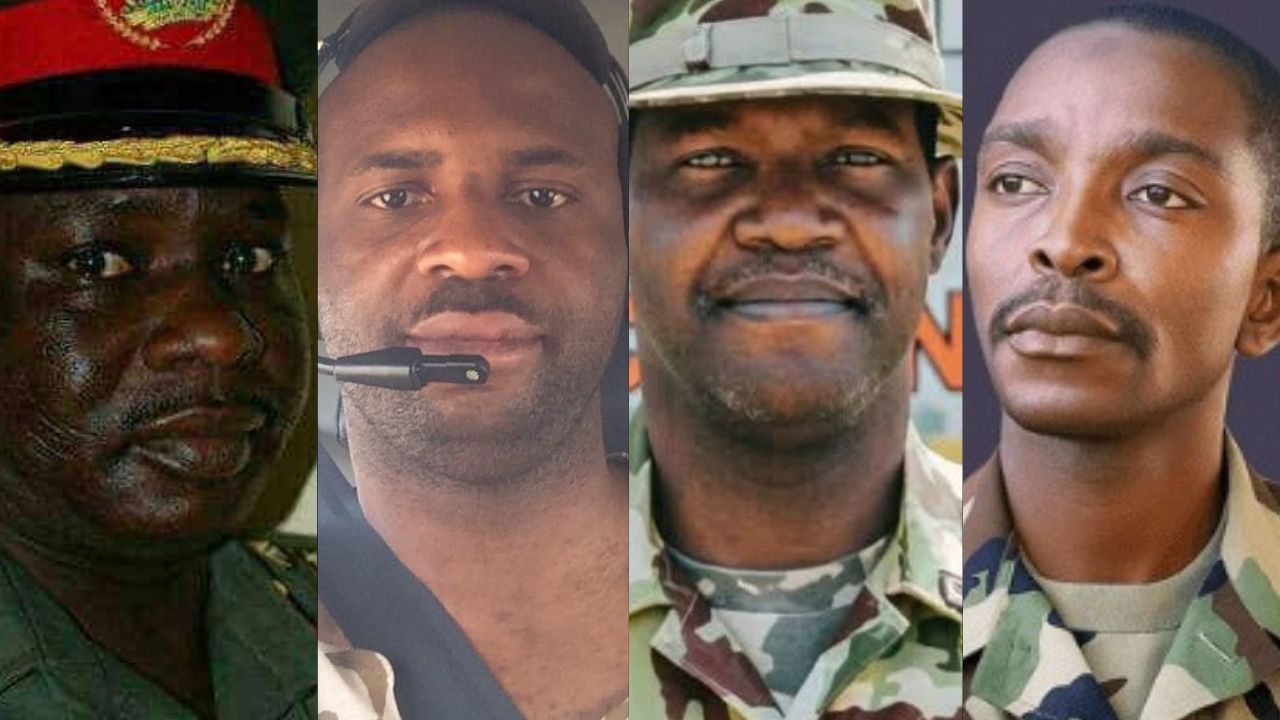
Several senior Nigerian military officers and field commanders have lost their lives in active service since 2023, with many fatalities linked to insurgent ambushes in the North-East, escalating banditry in the North-Central region, and operational or авиационные accidents during deployments.
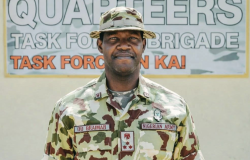
Oseni Braimah
What began as an insurgency led by Boko Haram has fragmented over time into multiple factions, most notably the Islamic State West Africa Province, which maintains links to the global Islamic State network.
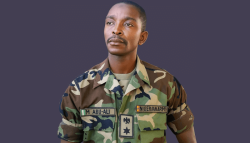
Lt-Colonel-Mohammed-Abu-Ali
Security analysts say this evolution has significantly altered the operational landscape, introducing more advanced tactics, coordinated assaults, and targeted attacks on military infrastructure.
The latest incident occurred on April 9, 2026, when insurgents launched a pre-dawn assault on a military base in Benisheikh, Borno State.
Although troops reportedly repelled, a brigadier general, Oseni Braimah, was among those killed. The Defence Headquarters confirmed casualties but did not disclose figures, reinforcing a longstanding pattern of limited official detail surrounding such.
A Pattern of High-Level Losses
The killing of senior officers is not new but appears to be increasing in frequency and scale. Historical records dating back to 2016 show a consistent trend:
Lieutenant Colonel K. Yusuf and 15 soldiers were declared missing after an attack in Gashiga, Borno State, with their bodies later recovered in 2017.
Lieutenant Colonel Muhammad Abu Ali, widely regarded for battlefield bravery, was killed in Mallam Fatori during a firefight.
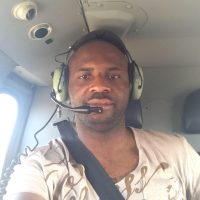
Otos-Umusu
Lieutenant Colonel B.U. Umar and Lieutenant Colonel O. Umusu both died in separate ambushes involving improvised explosive devices (IEDs).
Lieutenant Colonel Ibrahim Sakaba was killed during the 2018 Metele base attack, one of the deadliest assaults on Nigerian troops.
READ ALSO: Army reveals identity of brigadier-general ISWAP killed in ambush at Bulguma
More recent years have seen a continuation—and escalation—of such incidents:
Colonel Dahiru Chiroma Bako died from injuries after an ambush near Wajiroko in 2020.
Brigadier General Dzarma Zirkusu was killed in a 2021 ISWAP ambush.
In 2025, Colonel Aliyu Saidu Paiko and Brigadier General Musa Uba were killed in separate العمليات, the latter after being captured and executed by insurgents.
In March 2026 alone, multiple commanding officers—including Umar Ibrahim Mairiga, S.I. Iliyasu, and Umar Farouq—were killed in coordinated attacks across Borno State.
Experts Warn of Strategic Shift
Security experts say the repeated targeting of senior officers suggests a deliberate insurgent strategy aimed at weakening command structures and morale.
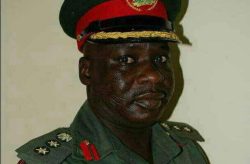
Colonel-Dahiru-Bako-chiroma
According to retired Brigadier General Hassan Sani, a defence analyst based in Abuja, “These are not losses. Insurgents are increasingly gathering intelligence and striking at leadership nodes. When you eliminate commanding officers, you disrupt operational cohesion and slow response times.”
Another analyst, Dr. Amina Lawal, a researcher in conflict studies, noted that the մարտավարությունը reflects in insurgent capability. “Groups like ISWAP have adopted conventional warfare techniques.
They are coordinating multi-front attacks, using reconnaissance, and exploiting terrain advantages, especially around Lake Chad and remote ռազմական outposts.”
Expanding Theatre of Conflict
While the North-East remains the epicenter, the conflict has spread. The killing of Lieutenant Colonel Z. Manu in Katsina State in 2020 highlighted the of insecurity into the North-West, where banditry and insurgency increasingly overlap.
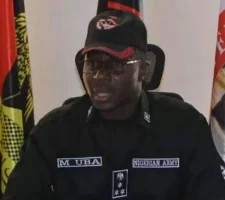
Musa-Uba
Analysts warn that without sustained improvements in intelligence gathering, logistics, and troop welfare, the military may continue to face significant challenge territory and protecting remote bases.
Military Response and Public Sentiment
The Nigerian Armed Forces have consistently emphasized resilience, often stating that fallen soldiers’ sacrifices remain a source of national pride. However, public concern is growing over the frequency of such high-profile losses and the apparent insurgents to repeatedly overrun or атаковать military positions.
As the insurgency enters its second decade since 2009, the mounting toll among senior commanders raises urgent questions about strategy, resources, and the long-term trajectory of Nigeria’s counterinsurgency efforts.

 Latest1 week ago
El-Rufai’s release delayed as court insists on strict bail compliance

 Football1 week ago
Messi’s Inter Miami coach Mascherano resigns after historic MLS triumph

 Maritime7 days ago
Nigeria sits at the center of West Africa’s stolen vehicle trade

 Football6 days ago
The “Old Guard” of Europe: Exploring the 10 longest-serving managers in the top five leagues

 Latest7 days ago
ADC convention: Aregbesola accuses INEC of dereliction of duty, insists party met all Legal requirements
 Latest6 days ago
2027 will be my final presidential bid, says Atiku
 Education1 week ago
JAMB 2026 UTME: Full list of banned items, penalties announced
 Health6 days ago
GMO foods linked to increased risk of health problems in children