
Health
Nigeria’s silent crisis: Rising drug abuse threatens youth, national stability

Published
2 hours agoon
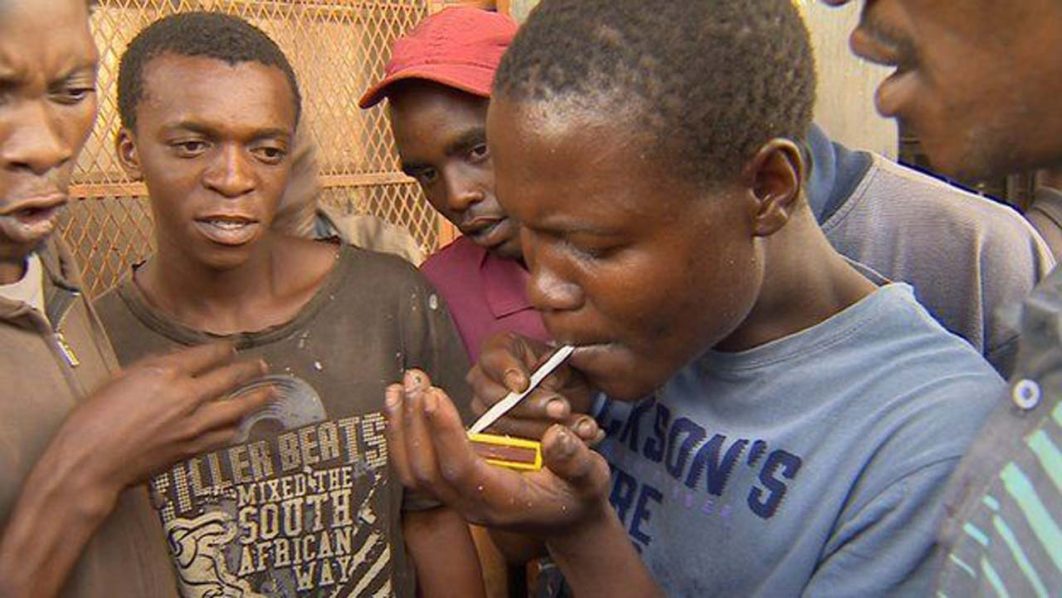
While some national crises erupt with visible force — explosions of violence, economic shocks, and political upheavals — others unfold quietly, steadily, and almost invisibly until their consequences become too severe to ignore.
Nigeria today appears to be grappling with the latter: a deepening drug abuse crisis that experts warn is reshaping communities, distorting futures, and eroding the country’s social foundation.
Though it rarely commands sustained front-page attention, the growing prevalence of substance abuse among young Nigerians has evolved from a social concern into what analysts describe as a national emergency — silent, systemic, and dangerously underestimated.
Alarming Statistics, Deeper Realities
Data from the United Nations Office on Drugs and Crime indicates that 14.4 percent of Nigerians between the ages of 15 and 64 — approximately 14.3 million people — use psychoactive substances, a rate nearly three times the global average. Even more troubling is that one in five of these users suffers from drug-related disorders requiring treatment.
Public health advocates warn that these figures represent more than casual use; they point to a widening health crisis with long-term implications. Yet many experts argue that even these statistics only scratch the surface of a more complex and deeply rooted problem.
Across cities such as Lagos, Kano, and Onitsha, drug abuse is no longer concealed. From motor parks where tramadol is reportedly sold openly, to university hostels where improvised mixtures circulate among students, and to street corners where teenagers experiment with dangerous substances, accessibility has widened dramatically.
Substances once tightly regulated — including opioids and codeine-based syrups — are said to be increasingly available. In some cases, young users concoct hazardous mixtures involving pharmaceuticals and other toxic ingredients, compounding the health risks.
Mental Health Crisis Intertwined
The drug epidemic is deeply intertwined with Nigeria’s largely unaddressed mental health challenges.
READ ALSO: Declassified CIA memo explored concealing mind-control drugs in vaccines
According to the World Health Organization, one in four Nigerians — an estimated 50 million people — experiences some form of mental illness. Among adolescents globally, 14 percent face mental health challenges, with suicide ranking among the leading causes of death for individuals aged 15 to 29.
In Nigeria, stigma and limited access to mental health services often prevent early intervention. A study conducted in a Borstal Institution in North-Central Nigeria found that 82.5 percent of adolescent boys assessed had psychiatric disorders, including disruptive behaviour disorders, substance use disorders, anxiety, psychosis, and mood disorders.
Professor Olurotimi Coker of the Lagos State University Teaching Hospital has warned that many young men suffer in silence due to cultural expectations that equate vulnerability with weakness. In such an environment, drugs can become both a coping mechanism and a means of escape.
Security Implications
Beyond public health, security analysts point to the dangerous nexus between substance abuse and national instability. Studies from Chukwuemeka Odumegwu Ojukwu University highlight how drug trafficking networks fuel criminal economies and violent groups.
In the Lake Chad Basin region, insurgent groups such as Boko Haram and Islamic State West Africa Province have been linked in regional security analyses to drug trafficking operations used to finance activities and embolden fighters.
Speaking in a recent interview, Nigeria’s Chief of Defence Staff, General Christopher Musa, stated that many insurgents arrested during operations were found under the influence of drugs, some using injectables that reduce fear and heighten aggression.
This convergence of addiction and violence has created a cycle in which drugs fuel crime, crime sustains trafficking networks, and vulnerable youths are recruited as couriers, enforcers, or political thugs.
Youth Vulnerability and Economic Pressures
Economic hardship has further intensified vulnerability. Despite official statistics suggesting lower unemployment rates under revised methodologies, alternative estimates have placed youth unemployment and underemployment significantly higher, leaving millions in precarious circumstances.
For many young Nigerians, educational qualifications have not translated into economic opportunity. In this vacuum, drugs may offer temporary relief from frustration, anxiety, and stagnation.
Early exposure is also raising alarm. A 2024 joint study by the National Drug Law Enforcement Agency and the Federal Ministry of Education in Lagos State found that 13.6 percent of secondary school students had experimented with drugs, while 6.9 percent were active users.
NDLEA Chairman and Chief Executive Officer, Buba Marwa, has warned that substance abuse is no longer confined to the streets but is increasingly prevalent on campuses.
He has also raised concerns about the role of social media in facilitating distribution networks and the shift toward synthetic opioids and designer drugs.
Enforcement Efforts and Limitations
Law enforcement agencies report notable successes in recent years, including tens of thousands of arrests, thousands of convictions, and millions of kilograms of drugs seized. However, analysts argue that enforcement alone cannot outpace demand.
Nigeria’s porous borders, institutional weaknesses, corruption, and poverty have allowed trafficking networks to thrive. Cheap opioids remain widely available, sometimes costing less than everyday consumer items.
Meanwhile, among homeless youth populations — including those living along transport corridors in Lagos — addiction is both a cause and consequence of precarious living conditions, reinforcing cycles of neglect and exploitation.
Calls for Comprehensive Response
Experts increasingly argue that Nigeria lacks a fully integrated national strategy linking drug prevention, mental healthcare, education reform, and economic inclusion.
Policy advocates propose reframing drug abuse as a public health emergency, expanding access to counseling and rehabilitation, integrating mental health into primary healthcare, embedding life skills and drug awareness into school curricula, and scaling up job creation and vocational training initiatives.
Community-based interventions involving families, religious institutions, and local leaders are also seen as critical to early detection and support.
As Nigeria stands at a demographic crossroads, analysts warn that the stakes are high. With one of the world’s largest youth populations, the country’s future prosperity depends heavily on the wellbeing of its young people.

You may like
Trending

 Latest1 week ago
2027: Jandor pledges loyalty to APC consensus decision, denies any anointed Lagos governorship candidate

 Health6 days ago
New evidence links ultra processed foods to rising illness, early death

 Business1 week ago
AAJ Express celebrates 7 years, unveils three tech platforms to transform logistics sector

 Business1 week ago
LIRS extends deadline for filing of individual annual income tax returns to April 21, 2026

 Energy6 days ago
Oil hits $100, stocks fall amid Hormuz blockade after Iran talks fail

 Latest1 week ago
Wike’s faction takes over PDP secretariat after court ruling; rival group heads to Supreme Court

 Latest5 days ago
El-Rufai’s release delayed as court insists on strict bail compliance
 Crime1 week ago
NDLEA arrests 93-year-old man, medical doctor in sweeping nationwide drug crackdown