
Education
Nigeria seeks stronger partnerships on education, digital creative economy

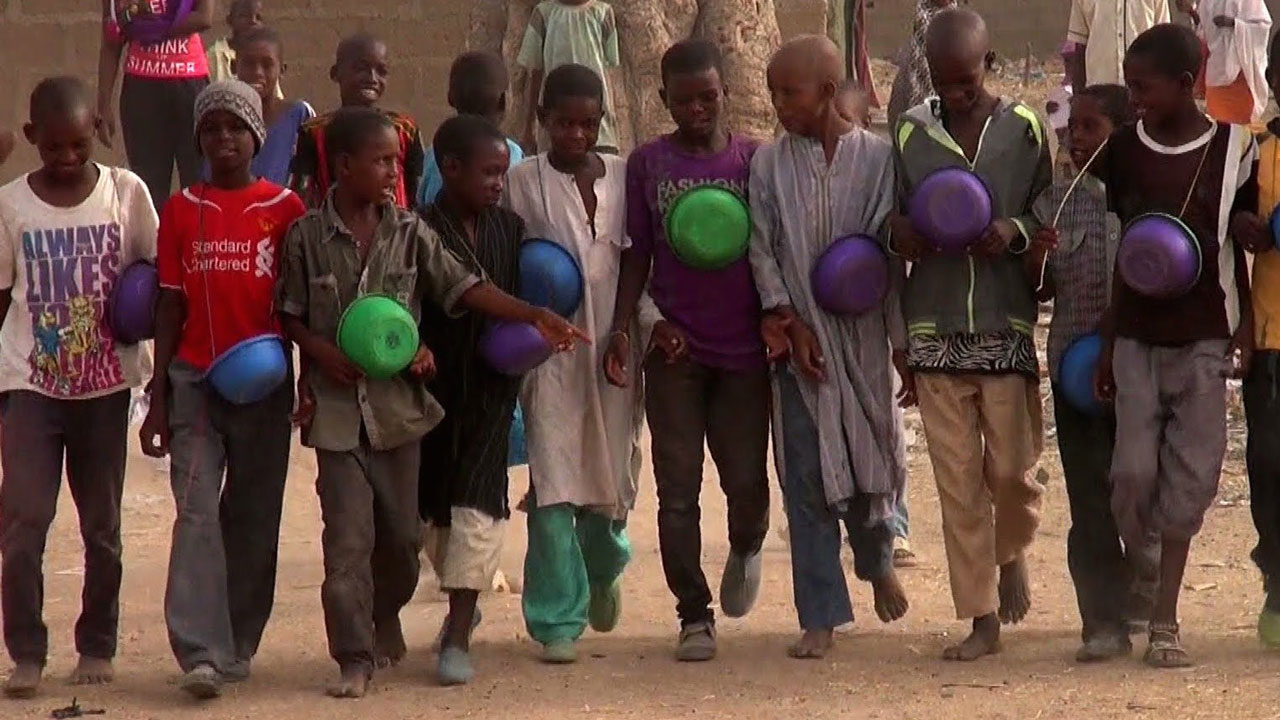
Nigeria is strengthening efforts to address educational challenges in the North while positioning its digital creative industry to benefit from the opportunities presented by the African Continental Free Trade Area (AfCFTA).
The renewed focus follows separate developments involving the Federal Government’s push for reforms to the Almajiri education system and ongoing discussions on expanding the country’s digital and creative economy through continental trade integration.
First Lady Senator Oluremi Tinubu has called for deeper collaboration with the Kingdom of Saudi Arabia to support reforms of Nigeria’s Almajiri education system and help integrate out-of-school children into formal learning.
Mrs. Tinubu made the appeal during a meeting with Saudi Arabia’s Ambassador to Nigeria, Yousef bin Mohammed Al-Balawi, at the State House in Abuja.
She stressed that improving access to education for Almajiri children is essential to national development and security, noting that millions of vulnerable children require opportunities that combine religious instruction with formal education.
According to the First Lady, integrating Quranic education with literacy, numeracy and vocational training would equip children with skills needed to contribute meaningfully to society while preserving their religious education.
“My heart goes out to the Almajiri children in the North. Most of the insecurity challenges in the nation—if that particular group of children are not taken care of, I don’t know what might happen. If we are able to give them formal education, the future of Nigeria will be well secured,” she said.
She also called for greater international support in areas such as teacher training, learning infrastructure and educational funding.
In his remarks, Ambassador Al-Balawi reaffirmed Saudi Arabia’s commitment to strengthening bilateral relations with Nigeria and supporting initiatives aimed at promoting education and human capital development.
Meanwhile, stakeholders are highlighting Nigeria’s creative and digital sectors as key drivers of economic growth under the African Continental Free Trade Area.
The discussions come amid growing global recognition of Nigerian music, film and digital content, with industry observers pointing to the opportunities created by the AfCFTA Digital Trade Protocol.
The framework is expected to improve cross-border digital commerce by promoting cooperation on intellectual property protection, digital payments and royalty systems across African markets.
Analysts say the initiative could help creators earn more from their works, strengthen intellectual property protection and encourage investment in the continent’s digital economy.
They also note that the expansion of fintech services and digital distribution platforms is making it easier for artists, content creators and technology entrepreneurs to access wider African markets while creating new employment opportunities for young people.
Observers say that, taken together, reforms in education and the continued development of the digital creative sector reflect broader efforts to promote inclusive economic growth, improve human capital and expand Nigeria’s role in Africa’s evolving digital economy.


-

 Sports4 days ago
Senegal opens Dakar 2026 Youth Olympic Games, Africa’s first Olympic event
-
 Latest7 days ago
Tinubu endorses Nigeria’s participation in 2026 World Travel Market London
-

 Football5 days ago
U-17 Women’s World Cup: Flamingos Beat Mexico to Reach Quarter-Finals
-

 Business4 days ago
NNPC’s N66-per-litre petrol discount set to end October 31
-

 Latest5 days ago
Netanyahu, Eisenkot face coalition deadlock as Israel struggles to form new government
-

 Latest4 days ago
INEC recognises Pantami for Gombe, keeps Kano NDC candidate off final list
-

 Latest4 days ago
FG Announces N50,000 cash support for vulnerable Nigerians under new relief programme
-

 Latest4 days ago
NDC Chieftain tells Atiku to drop presidential ambition over son’s support for Tinubu