
Business
US slips into recession, GDP contracts by 0.9% in Q2 2022

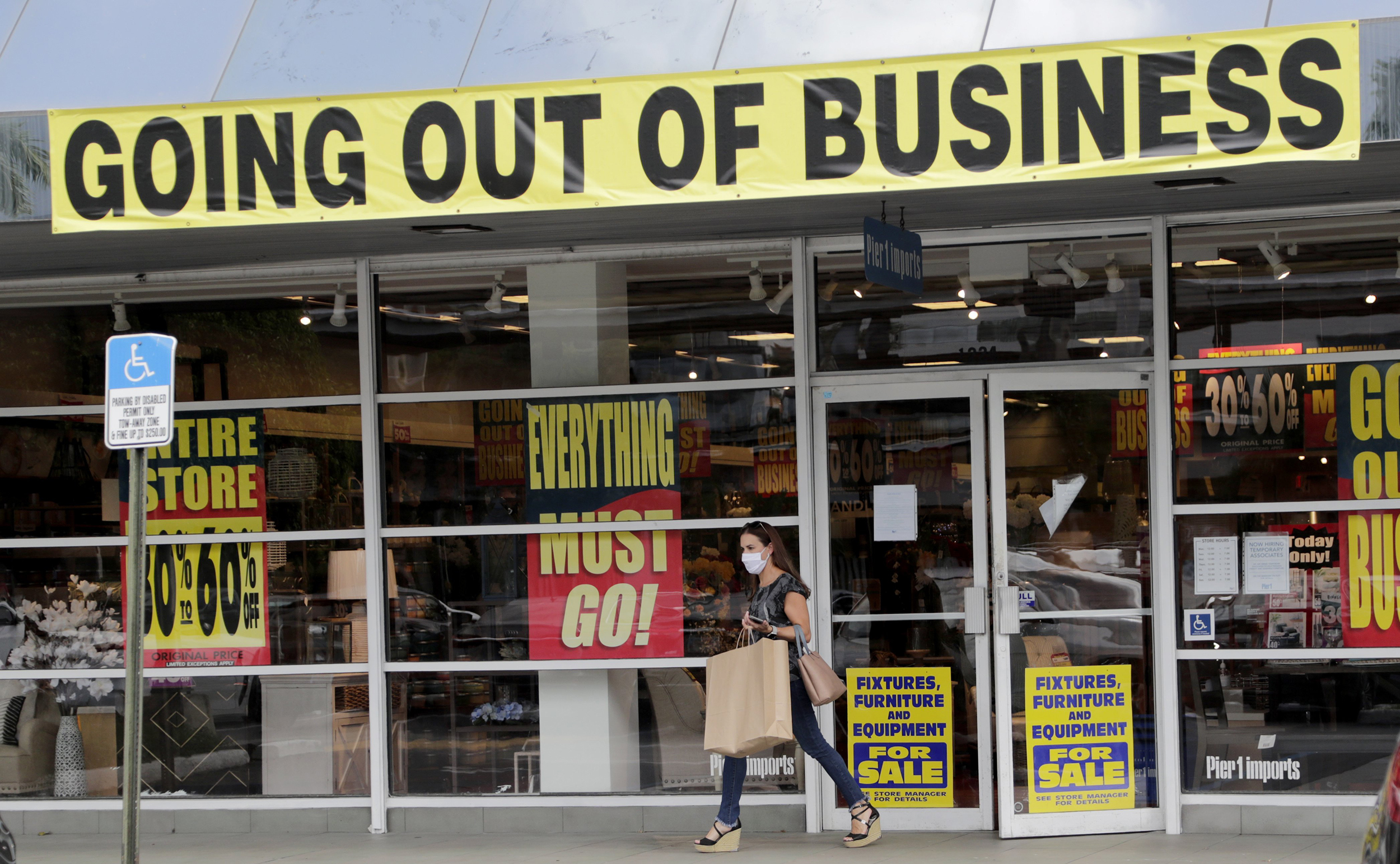
The United States of America recorded a 0.9% contraction in its gross domestic product in the second quarter of 2022, following a 1.6% annual decline recorded in the previous quarter.
The downturn in the economy of the world giant is following the significant rise in the prices of goods and services, largely attributed to the global energy crisis, which had spread to other areas of the economy.
Despite the contraction, personal consumption, which gives insight into the health of the US consumer, recorded a 1% growth, compared to 1.8% growth recorded in the first quarter, but still indicates evidence of strength. It is worth noting that the contraction was driven by weaker business inventory growth.
READ ALSO: Biden’s ‘I have cancer’ statement stun netizens, White House respond
Recall that the US Bureau of Labour Statistics reported a new 40-year high inflation rate of 9.1% in June 2022, driven by higher prices of gasoline, food, and shelter. However, in a continuing bid to curb the raging inflation in the United States, the Federal Reserve has raised interest rates multiple times this year to almost 2.5%.
Typically, recession is defined as two consecutive quarters of contraction in the Gross Domestic Product. Going by the above definition, the world’s largest economy has fallen into a recession. However, the US does not use this definition in determining whether the economy is in a recession or not.
Notably, a non-profit, non-partisan organization called the National Bureau of Economic Research (NBER) determines when the U.S. economy is in a recession. The NBER committee made up of eight economists makes that determination, where they put into consideration many factors.
The US Federal Reserve Chair, Jerome Powell has made it clear they are willing to risk a downturn and will keep raising interest rates until they see solid evidence that inflation is moving back towards the 2% goal.
Unlike the decision made in the previous month, the vote was unanimous as the policy-setting Federal Open Market Committee raised the policy lending rate to a range of 2.25% to 2.5%, despite starting the year near zero.
Meanwhile, the US employment rate remains stable at 3.6%, which is the lowest level since before the coronavirus pandemic.


-

 Featured5 days ago
Four reportedly killed in Delta NDC attack as Tinubu’s ‘All Is Fair in Politics’ remark faces fresh scrutiny (Video)
-
 Latest5 days ago
Abuja protesters March on INEC headquarters, demand accountability ahead of 2027 elections [video]
-
 Latest5 days ago
2027: Tinubu woos Lagos Igbo community, assures of inclusion in governance
-

 Football4 days ago
Man United: Pochettino prioritises new striker over defensive signings in January
-
 Latest1 week ago
2027: Obi declares election day ‘Public Holiday’ for vote defence, warns against rigging
-

 Featured5 days ago
NDC denies rift with Peter Obi over 2027 campaign funding
-

 Featured1 week ago
Lagos, Abuja lead Nigeria’s housing price race as rent, homeownership costs rise
-

 Featured4 days ago
Sowore withdraws AAC from National Peace Accord, questions committee’s role