
Health
5 signs & symptoms of an unhealthy kindey and foods to avoid

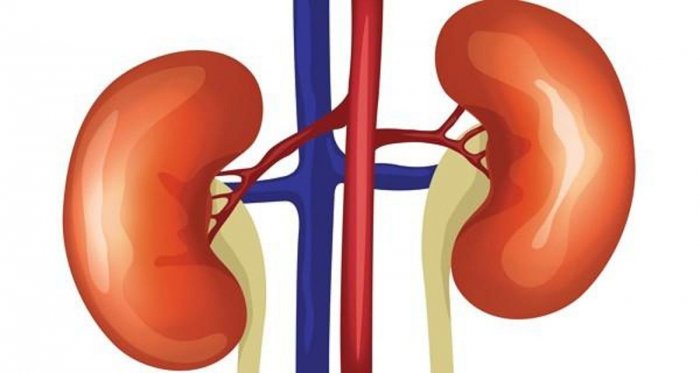
Kidneys are a pair of organs that are located in the lower back. Each side of your spine has one kidney. Your kidneys are responsible for filtering your blood and eliminating toxins from your body. When you urinate, these poisons pass through your bladder and are excreted. Kidney failure happens when your kidneys’ ability to filter waste from your blood is compromised. Many variables can affect the health and function of your kidneys, including:
1. A few acute and chronic illnesses
2. Toxic exposure to contaminants in the environment or to certain drugs
3. Extreme dehydration
4. Lack of blood supply to the kidneys
When your body becomes overburdened with toxins if your kidneys are unable to operate properly. If left untreated, this might progress to renal failure, which can be fatal.
Symptoms of an unhealthy kidney
Symptoms of a kidney issue in its early stages are frequently absent. According to the Centers for Disease Control and Prevention (CDC), up to 90% of persons with chronic renal disease are unaware of their condition. As kidney disease worsens, you may notice the following signs and symptoms:
1. A decrease in the amount of urine produced
2. Swelling of the legs, ankles, and feet due to fluid retention caused by the kidneys’ failure to remove waste-water
3. Unexplained breathlessness
4. Excessive tiredness or drowsiness
5. Chest discomfort or pressure
Here are foods that you should likely avoid on a renal diet.
If you have kidney disease, reducing your potassium, phosphorus, and sodium intake can be an important aspect of managing the disease.
1. Avocados
Avocados are well-known for their numerous health benefits, including heart-healthy fats, fiber, and antioxidants. Avocados are healthy food, but people with kidney problems should avoid them. Avocados are high in potassium, therefore they’re a good source of it.
2. Foods in cans
Because of their low cost and convenience, canned foods such as soups, vegetables, and beans are frequently purchased. Most canned foods, on the other hand, have a high sodium content because salt is used as a preservative to extend their shelf life.


-

 Featured5 days ago
Inside INEC’s race to prepare for Nigeria’s 2027 elections
-

 Featured5 days ago
2027: APC unveils nationwide campaign timetable, Tinubu to rally in 12 states
-

 Latest1 week ago
UCTH faces morgue crisis as 50 unclaimed corpses await mass burial
-

 Business6 days ago
President Tinubu and the Low Transport Fares Fiasco
-
 Business1 week ago
BREAKING: Nigeria’s Inflation Rate Drops to 14.63% in September
-
 Business5 days ago
Court dismisses ₦170m Trade Fair contract claim, says Zenith Bank was not a party
-

 Business3 days ago
Naira faces exchange rate gap as Dollar hits N1,380 on parallel market
-

 Latest6 days ago
Global excitement builds as Healing Streams Live Services returns October 23