
Latest
N29bn debt: IBB, Ortom, Tambuwal lead as FCTA reveals land title debtors list

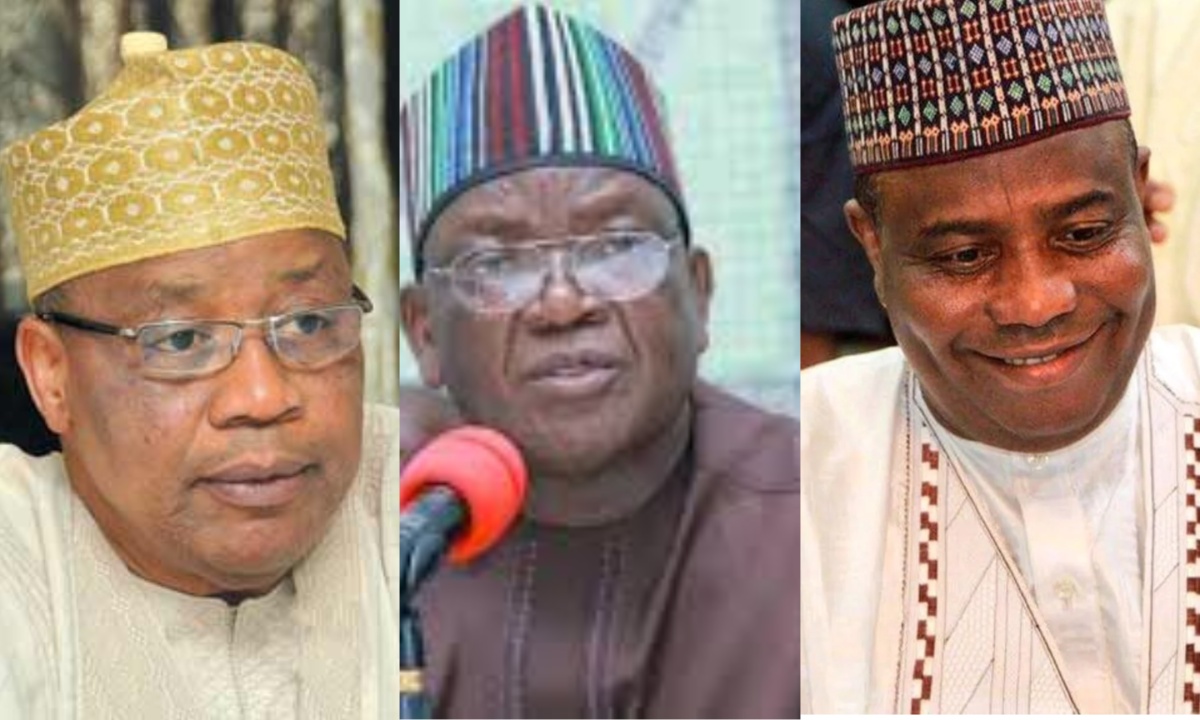
The Federal Capital Territory Administration (FCTA) has named 9,532 individuals and entities as land title debtors in Abuja, giving them two weeks to settle their outstanding payments.
The list, published on November 26, includes high-profile individuals, government agencies, and corporations accused of defaulting on payments for Certificates of Occupancy (C of O).
Among the notable defaulters is former Head of State Ibrahim Badamosi Babangida (IBB), who owes N152 million for a plot of land in the upscale Asokoro district.
Babangida, who led Nigeria between 1985 and 1993, is joined by other prominent figures such as former Benue State Governor Samuel Ortom, who owes N950,000 for a plot in Bazango, and Senator Aminu Tambuwal, representing Sokoto South, who owes N18 million for land in Carraway Dallas.
In addition to individuals, federal agencies such as the Nigerian Financial Intelligence Unit (NFIU), the navy, and the police were also identified as defaulters.
Government properties, including the Lagos State Governor’s Lodge in Asokoro, Kaduna State Government properties, and the State House Abuja, were also listed.
The FCTA has warned defaulters to clear their debts via e-payment to the FCT Department of Land Administration account within the stipulated timeframe or risk having their land titles revoked.
This ultimatum follows previous attempts to recover over N29 billion owed by property owners in the territory.
In June, the FCTA established a debt recovery committee, which identified 430 individuals and organizations as defaulters.
READ ALSO: Wike slams US-based Journalist over report of being barred from Aso Rock
The committee has been working with anti-corruption agencies, including the Economic and Financial Crimes Commission (EFCC) and the Independent Corrupt Practices and Other Related Offences Commission (ICPC), to address issues of land grabbing and non-payment.
Urban development experts view this move as a critical step toward enhancing fiscal accountability and urban planning.
Dr. Segun Adebanjo, an Abuja-based urban planner, said, “The FCTA’s initiative is a necessary intervention to ensure that public land is not mismanaged and that landowners comply with their financial obligations.”
Similarly, anti-corruption advocate Kemi Olukoya emphasized the significance of transparency in the process. “Partnering with EFCC and ICPC is a strong signal that the FCTA is serious about accountability, and it could deter future defaults,” she noted.
While the FCTA’s action seeks to recover debts and regulate land use, analysts caution that the revocation of titles could lead to legal battles, particularly involving influential individuals and institutions.
However, it could also increase government revenue and ensure that land resources are optimally utilized.
With the clock ticking on the two-week ultimatum, all eyes are on the FCTA to see how it enforces compliance and handles potential pushback from defaulters. This development underscores the administration’s commitment to addressing land management challenges in Nigeria’s capital.


-

 Health5 days ago
ISRT 2026: Global experts converge in Lagos to advance cancer care across Africa
-

 Football5 days ago
Ballon d’Or 2026: The key rules shaping the race for football’s biggest prize
-

 Business5 days ago
Versat Automobile to launch Chery’s EXEED premium brand in Nigeria
-

 Entertainment1 week ago
Miss World 2026: Meet 24 African Contestants Flying Continent’s Flag in Vietnam(VIDEO)
-
 Comments and Issues6 days ago
Digital Rights and the 2027 Poll in Nigeria
-

 Business3 days ago
Olufemi Olaiya to deliver keynote at Africa Business & Enterprise Conference 2026
-

 Comments and Issues4 days ago
Yes, many kidnappers are embedded in the Nigeria Police
-

 Energy6 days ago
Petrol Price War: Where are Nigerians getting the cheapest fuel?