
Business
Naira slides further amid mounting pressure, experts warn of looming economic impact

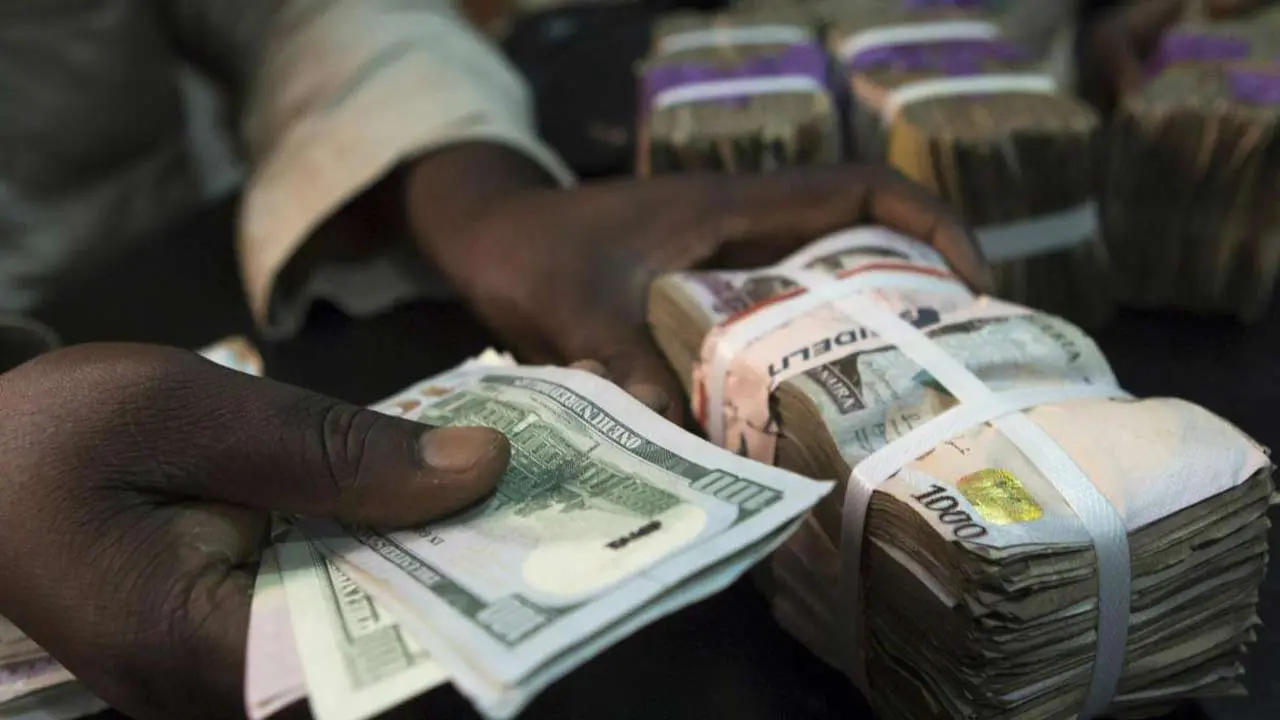
The Nigerian naira extended its depreciation on Monday, November 11, 2024, across both the official and parallel foreign exchange makets, deepening concerns about economic stability.
Data from the Nigerian Autonomous Foreign Exchange Market (NAFEM) revealed that the naira weakened to N1,681.42 per dollar, marking a N2.55 drop from last Friday’s rate of N1,678.87 per dollar.
The parallel market reflected a sharper decline, with the naira trading at N1,735 per dollar—a loss of N6 compared to the previous day’s rate of N1,729 per dollar.
The sustained slide in value highlights the mounting pressure on Nigeria’s foreign exchange reserves and the challenges in stabilizing the currency amid economic headwinds.
Financial analysts are raising alarms over the implications of the continued devaluation.
“This trend signals deeper structural issues within the Nigerian economy, notably the high demand for foreign currency driven by limited local production and dependency on imports,” said Dr. Ifeanyi Obaseki, an economist at Lagos Business School.
READ ALSO: Naira hits record low of N1681/$1 amid persistent FX market pressures
He emphasized that without significant interventions, the naira’s trajectory could further strain businesses reliant on imported goods and services, increasing inflationary pressures.
While the naira showed a modest gain against the British pound, improving by N25 to trade at N2,255 per pound from the previous N2,280 per pound, it lost ground against the euro, falling by N5 to N1,870 per euro from N1,865 per euro. The Canadian dollar maintained stability, holding at N1,300 per CA$1.
According to market strategist Temitope Adewale, the shifts in these rates indicate an imbalance exacerbated by inadequate dollar supply in the formal sector.
“The parallel market’s growing premium over the official rate suggests confidence challenges in the central forex policy,” Adewale noted.
The naira’s depreciation poses risks not just for importers but for the broader economic landscape, potentially amplifying inflation. With experts cautioning that foreign exchange volatility could undermine economic recovery efforts, calls for more robust policy measures are gaining momentum.


-
 Latest5 days ago
Israel marks 3 years since October 7 Hamas attack amid Gaza strikes, election debate
-

 Energy5 days ago
Fuel Battle: Dangote, marketers and government clash over petrol imports
-
 Energy6 days ago
Petrol, diesel prices rise 86% in 2026 as costs hit fresh highs
-

 Energy7 days ago
Has Iran lost control of the Strait of Hormuz? Oil flows rebound as war disruptions persist
-

 Football6 days ago
Nigeria’s World Cup exit under spotlight as FIFA’s DR Congo files emerge
-

 Latest6 days ago
US Court set to rule on release of FBI, DEA records on Tinubu
-

 Business6 days ago
Nigerian investors at a crossroads as fixed-income yields slide
-

 Business7 days ago
LoveWorld Trade and Investment Forum to Convene Business Leaders in Accra