
Business
Tax Reform Bill sparks debate on federalism, revenue decentralization

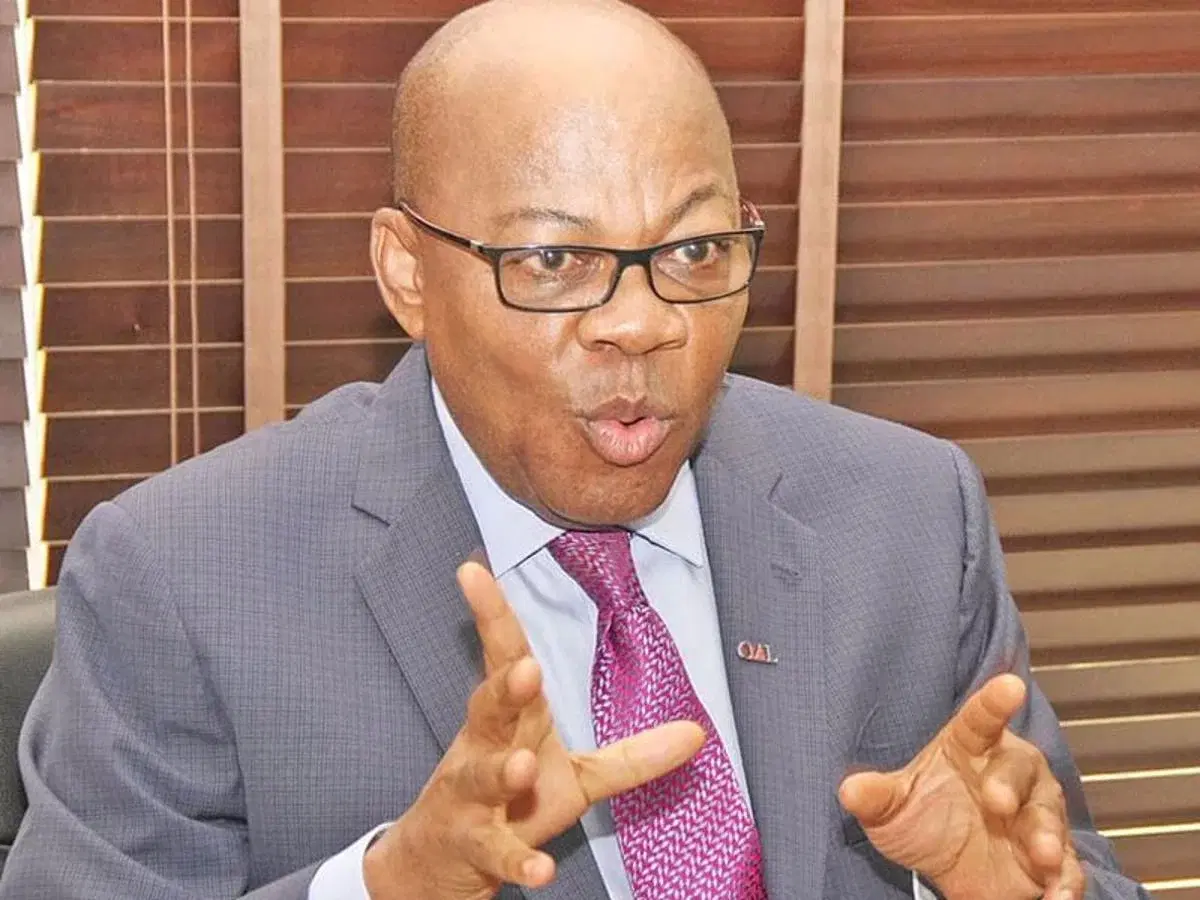
The proposed Tax Reform Bill has ignited heated debates about the structure of federalism in Nigeria, highlighting the political and economic implications of revenue centralization.
While the bill is ostensibly aimed at restructuring Nigeria’s tax system, its impact extends far beyond revenue distribution, raising fundamental questions about the devolution of powers between the Federal Government and the states.
Renowned legal luminary Dr. Olisa Agbakoba, SAN, has strongly criticized the Federal Government’s role as a “mere collecting agency” that redistributes revenue to states.
He argues that this model undermines the constitutional responsibilities of the Federal Government while stifling the revenue-generating potential of states.
Dr. Agbakoba points out that Value-Added Tax (VAT), which is essentially a sales or consumption tax, should be under the purview of state governments rather than the Federal Government.
“Consumption and sales taxes are local matters and should remain so. The Federal Government’s overcentralization of revenue collection is unsustainable and hampers creativity at the state level,” he stated.
READ ALSO: Tinubu’s tax bills spark debate as National Assembly resumes
The centralization of Nigeria’s tax system, according to Dr. Agbakoba, has led to reliance by states on federal subsidies, eroding their capacity to develop unique revenue streams.
Citing the example of Plateau State, he highlighted the vast untapped potential for mechanized agriculture on its savannah lands, capable of feeding not only Nigeria but the entire African continent.
He drew comparisons with Europe, noting that countries without oil resources, like Spain, thrive by maximizing their unique strengths. Spain, for instance, earns billions annually as the world’s largest producer of olive oil, showcasing the benefits of localized economic focus.
Critics of the bill view it as an opportunity to rethink Nigeria’s federal structure. The resistance to the bill isn’t limited to economic concerns; it touches on the deeper issue of how powers and responsibilities are divided between the central and state governments.
The debate is timely, as many believe Nigeria’s federalism has long been skewed towards excessive centralization, stifling state autonomy and innovation.
Dr. Agbakoba’s recommendation is clear: abolish VAT at the federal level and transfer its collection and management to states.
“This will not only incentivize states to explore and harness their unique resources but also strengthen the foundational principles of federalism in Nigeria,” he asserted.
The Tax Reform Bill could become a pivotal moment in Nigeria’s fiscal history. By decentralizing the tax system, the bill has the potential to unlock hidden revenue streams and empower states to chart their economic paths.
However, this requires a broader consensus on the nature of federalism and the role of the Federal Government in managing natural resources.
As Nigeria debates the future of its tax system, the call for a more balanced and decentralized approach grows louder, with advocates like Dr. Agbakoba urging for reforms that reflect the true spirit of federalism.


-

 Latest4 days ago
US Immigration fees rise from October 16 as USCIS announces new charges
-

 Football1 week ago
How David Beckham made $51.1m from 2026 World Cup, surpassing winners’ prize
-

 Health1 week ago
COVID-19 Hospital care under scrutiny as US Senate hears patient, family testimonies
-

 Business7 days ago
OpenAI shelves GPT-6.1 astra release over safety concerns
-

 Business4 days ago
Nigeria’s $55bn reserves raise fresh questions over naira value
-
 Latest1 week ago
ADC’s 2027 Strategy: Who are the key players and what are their roles?
-

 Latest1 week ago
El-Rufai continued detention revives debate over opposition, detention, political power
-

 Latest1 week ago
‘Our Uranium lit Europe, while Niger stayed in darkness’ — PM tells UN