Connect with us

Business

Food inflation squeezes Nigerian households as cost of living rises in 2026

Published

on

Food inflation squeezes Nigerian households as cost of living rises in 2026
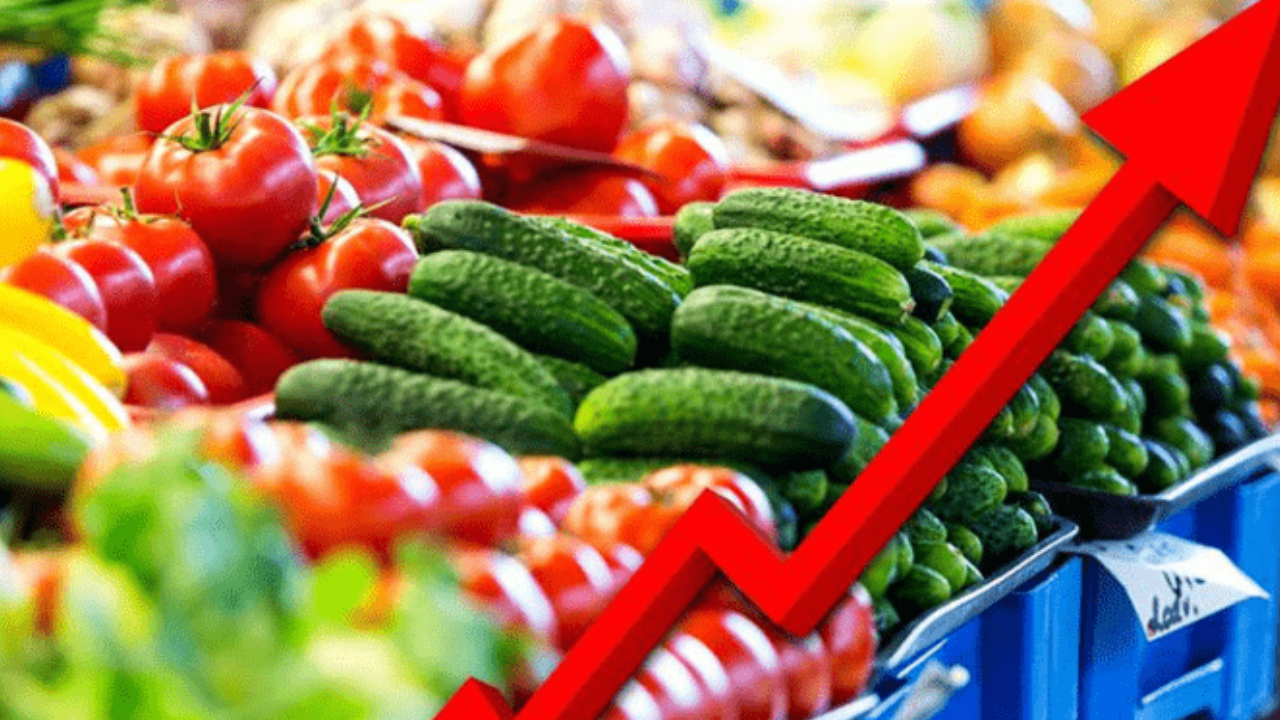
Across Nigeria, families are feeling the pressure of rising food prices as inflation continues to reshape daily survival strategies in 2026, with households in both urban and rural communities cutting back on meals and adjusting diets to cope with shrinking purchasing power.

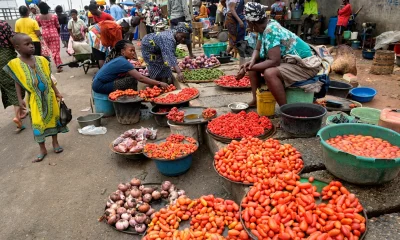
From Lagos to Abuja, Kano, and Port Harcourt, markets are witnessing steady increases in the cost of essential food items, forcing consumers to rethink how and what they eat.

Data from the National Bureau of Statistics shows that while headline inflation has shown signs of stabilisation, food inflation remains elevated, driven largely by transportation costs, fuel prices, and supply chain disruptions across the country.

Analysts say the persistent rise in food prices is closely linked to logistics challenges that affect the movement of agricultural produce from rural farming belts in the North and Middle Belt to major consumption centres in the South.

Market surveys across Nigeria indicate sharp increases in the prices of staple foods. A 50kg bag of rice now sells between ₦45,000 and ₦55,000 in many locations, while beans, vegetable oil, and meat have also recorded significant price hikes in recent months.

In many households, the impact is already visible. Families report reducing protein intake, skipping meals, and shifting to cheaper alternatives such as eggs, dried fish, and plant-based meals to cope with rising costs.

A civil servant in Abuja described the adjustment as unavoidable. “You plan your salary, but food prices change everything,” she said. “Sometimes you just remove meat completely from the menu.”

Traders across major markets including Mile 12 in Lagos, Kasuwar Kwari in Kano, and Oil Mill Market in Port Harcourt say transportation remains one of the biggest drivers of price increases. Rising fuel costs have significantly increased the cost of moving goods between regions, forcing wholesalers and retailers to adjust prices frequently.

Some market operators say haulage costs for transporting food items from northern producing states to southern markets have more than doubled in recent months, placing additional pressure on already fragile supply chains.

Economists attribute the trend to a combination of fuel price fluctuations, insecurity in farming regions, and infrastructural bottlenecks affecting agricultural logistics.

Many Nigerian households have adopted coping strategies such as buying food in smaller quantities, reducing the number of meals per day, and shifting from bulk purchases to daily market buying in smaller measures commonly known as “mudu.”

The National Bureau of Statistics continues to monitor inflation trends, while economic experts warn that short-term improvements may depend heavily on seasonal harvests and fuel price stability.

However, analysts caution that without structural reforms in food distribution, transport systems, and agricultural security, high food costs may remain a persistent challenge for Nigerian households.

For many families across the country, the reality remains the same: stretching incomes further just to keep basic meals on the table.

Continue Reading
Advertisement
Click to comment

Leave a Reply

Your email address will not be published.

Trending