


Connect with us

Business

Rising fees spark debate over Nigeria’s cashless policy push

Published

on

Rising fees spark debate over Nigeria’s cashless policy push

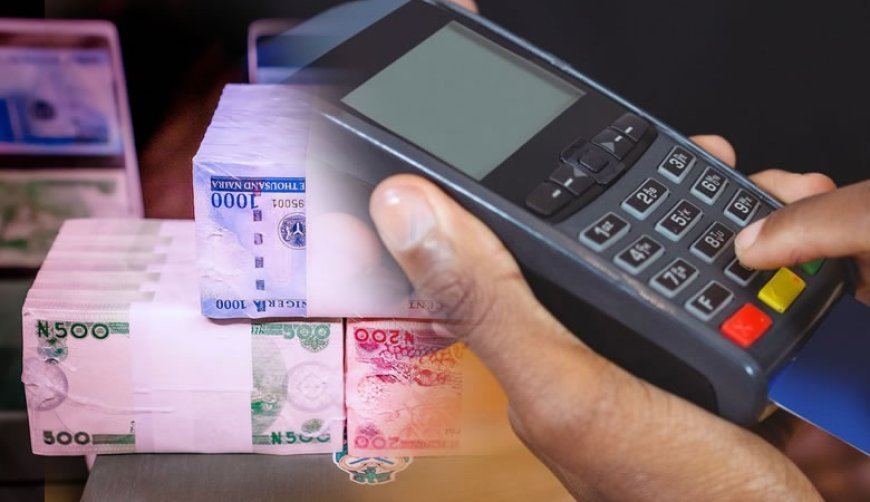
Nigeria’s push toward a cashless economy is facing renewed scrutiny as rising transaction fees, POS charges, and digital levies begin to reshape how individuals and businesses access and use money across the country.

From major commercial centres such as Lagos, Abuja, and Port Harcourt, residents say the increasing cost of digital transactions is creating what many describe as “fee fatigue,” pushing some users back toward cash-based transactions despite ongoing financial digitisation efforts.

The development comes amid tighter cash management rules introduced by the Central Bank of Nigeria, which include withdrawal limits aimed at reducing cash circulation and encouraging electronic payments.

However, with limited access to cash through banks, many Nigerians now rely heavily on Point of Sale (POS) operators for everyday withdrawals—an arrangement that has become increasingly expensive.

Across various neighbourhoods, POS agents have raised charges significantly in response to higher liquidity costs and growing demand. Small cash withdrawals that previously attracted minimal fees now cost substantially more, while larger transactions have seen even sharper increases.

Operators say rising operational costs, cash scarcity, and regulatory penalties for exceeding withdrawal thresholds have all contributed to the upward adjustment in charges.

In addition, recent changes in digital transaction policies, including adjustments to electronic transfer levies and the reclassification of certain fees, have added to the overall cost burden faced by consumers and small businesses.

For traders and informal sector workers, who form a large portion of Nigeria’s economy, the rising cost of accessing cash is affecting daily transactions and profit margins.

In markets such as Oyingbo in Lagos, traders report that customers are increasingly reluctant to make small digital transfers due to added charges, instead preferring cash payments where possible.

“I try to avoid unnecessary transfers now,” said a Lagos-based trader. “Every transaction has extra charges, whether you use POS or bank transfer. It reduces profit at the end of the day.”

Small business owners also say that cumulative transaction costs are becoming significant, particularly for those making multiple payments daily to suppliers and distributors.

Financial analysts warn that the growing cost of digital transactions may undermine the broader goal of achieving a fully cashless economy, especially among low-income earners and informal sector operators.

Experts argue that while digital payments are intended to improve efficiency and reduce cash-handling costs, excessive fees could discourage adoption and deepen reliance on physical cash.

A fintech analyst noted that the success of a cashless system depends on affordability, adding that digital transactions must remain cheaper and more accessible than cash alternatives to drive widespread adoption.

Despite these concerns, the Central Bank of Nigeria maintains that its policies are aimed at improving financial transparency, reducing cash-related costs, and strengthening the overall payment system.

However, as transaction fees continue to rise, stakeholders say the balance between regulation and affordability will be critical in determining the future of Nigeria’s cashless policy drive.

Continue Reading
Advertisement
Click to comment

Leave a Reply

Your email address will not be published.

Trending