
Business
Cooking gas hits record ₦2,400/kg as price surge pushes Nigerian households back to firewood

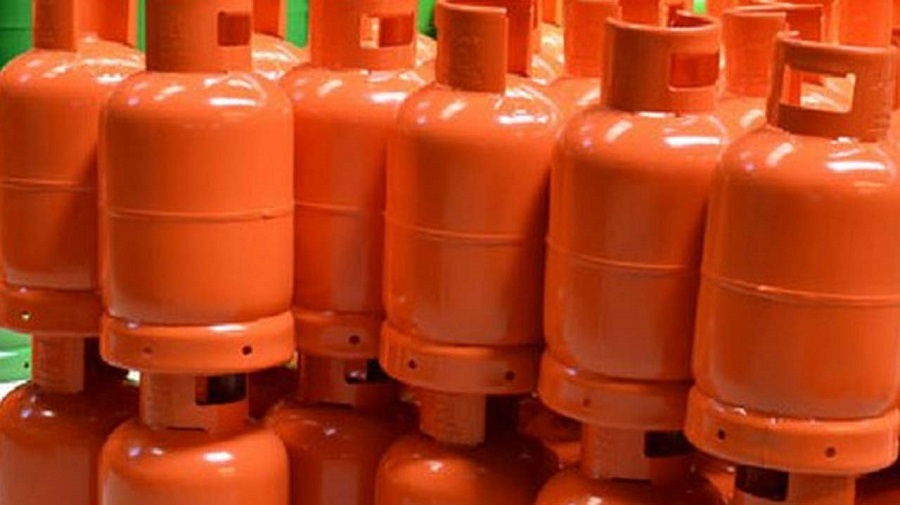
Nigerian households are grappling with a sharp rise in cooking gas prices, with Liquefied Petroleum Gas (LPG) now selling for as high as ₦2,400 per kilogram in some neighbourhood retail outlets, deepening concerns over the cost of living and household energy access.
The latest increase marks a steep jump from early May levels of about ₦1,000 to ₦1,200 per kilogram, pushing the cost of refilling a standard 12.5kg cylinder to as much as ₦30,000 in parts of Lagos and other urban centres, nearly half of the national monthly minimum wage of ₦70,000.
While major filling stations are reportedly selling LPG at lower rates between ₦1,650 and ₦1,900 per kilogram, consumers say limited supply and distribution bottlenecks are forcing them to rely on smaller retailers, where prices are significantly higher.
In neighbourhood markets, independent vendors have adjusted prices upward to reflect rising wholesale costs and tight margins.
“Last month, I refilled my cylinder at ₦1,100 per kilogram,” said Ibrahim Ozigis, a resident of the Iju-Ishaga area of Lagos. “Now the price has gone beyond reach. It is affecting what we can cook at home.”
Small food vendors and bakeries have also reported increased operating costs, warning that the burden may soon be passed on to consumers through higher food prices and reduced portions.
Industry groups, including the Nigerian Association of Liquefied Petroleum Gas Marketers, attribute the price spike to volatile wholesale depot rates, foreign exchange pressures, and rising international landing costs.
Marketers say depot prices for a 20-metric-tonne truckload of LPG have climbed to between ₦25.2 million and ₦26.2 million, squeezing supply chains and limiting availability for independent distributors.
Analysts also point to logistics challenges and inconsistent domestic supply from processing facilities as key factors behind the widening gap between depot and retail prices.
The rising cost of clean cooking fuel is forcing many families to revert to cheaper alternatives such as charcoal and firewood, raising concerns among environmental and public health advocates.
In several parts of Lagos, Oyo, and Kwara States, traders say demand for firewood and charcoal has surged in recent weeks as households struggle to afford LPG refills.
Clean energy advocate Salvation Grace Aworanti warned that the trend undermines years of efforts to promote cleaner household energy.
“When gas becomes unaffordable, families have no choice but to return to firewood,” she said. “That comes with serious health and environmental consequences.”
Health professionals have cautioned that increased reliance on biomass fuels could lead to a rise in respiratory illnesses, particularly among women and children exposed to indoor smoke.
Experts also warn that growing demand for firewood could accelerate deforestation in already vulnerable areas, compounding environmental degradation.
As prices continue to climb, many households say they are being forced to rethink basic cooking choices, underscoring the growing pressure of Nigeria’s broader inflation and energy challenges.


-

 Business1 week ago
NGX loses N3trn in three days as Dangote Cement, Aradel, Banks lead sell-off
-

 Latest1 week ago
Tinubu’s 2027 re-election bid: New promises, old questions and an unfinished record
-

 Featured5 days ago
Four reportedly killed in Delta NDC attack as Tinubu’s ‘All Is Fair in Politics’ remark faces fresh scrutiny (Video)
-

 Latest5 days ago
Abuja protesters March on INEC headquarters, demand accountability ahead of 2027 elections [video]
-

 Football1 week ago
Infantino hails Oborevwori over Warri Stadium remodelling, eyes major FIFA events
-

 Football4 days ago
Man United: Pochettino prioritises new striker over defensive signings in January
-

 Latest7 days ago
2027: Obi declares election day ‘Public Holiday’ for vote defence, warns against rigging
-

 Latest5 days ago
2027: Tinubu woos Lagos Igbo community, assures of inclusion in governance