
Business
Cooking gas hits record ₦2,400/kg as price surge pushes Nigerian households back to firewood

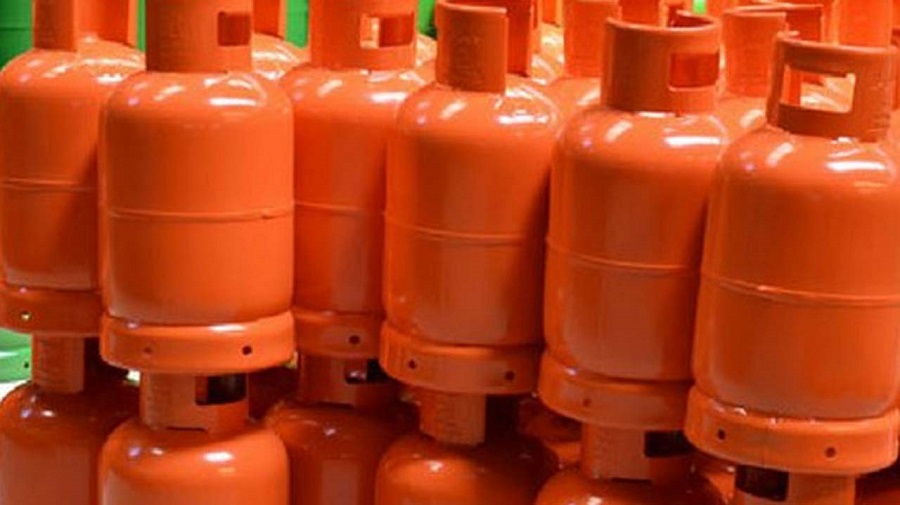
Nigerian households are grappling with a sharp rise in cooking gas prices, with Liquefied Petroleum Gas (LPG) now selling for as high as ₦2,400 per kilogram in some neighbourhood retail outlets, deepening concerns over the cost of living and household energy access.
The latest increase marks a steep jump from early May levels of about ₦1,000 to ₦1,200 per kilogram, pushing the cost of refilling a standard 12.5kg cylinder to as much as ₦30,000 in parts of Lagos and other urban centres, nearly half of the national monthly minimum wage of ₦70,000.
While major filling stations are reportedly selling LPG at lower rates between ₦1,650 and ₦1,900 per kilogram, consumers say limited supply and distribution bottlenecks are forcing them to rely on smaller retailers, where prices are significantly higher.
In neighbourhood markets, independent vendors have adjusted prices upward to reflect rising wholesale costs and tight margins.
“Last month, I refilled my cylinder at ₦1,100 per kilogram,” said Ibrahim Ozigis, a resident of the Iju-Ishaga area of Lagos. “Now the price has gone beyond reach. It is affecting what we can cook at home.”
Small food vendors and bakeries have also reported increased operating costs, warning that the burden may soon be passed on to consumers through higher food prices and reduced portions.
Industry groups, including the Nigerian Association of Liquefied Petroleum Gas Marketers, attribute the price spike to volatile wholesale depot rates, foreign exchange pressures, and rising international landing costs.
Marketers say depot prices for a 20-metric-tonne truckload of LPG have climbed to between ₦25.2 million and ₦26.2 million, squeezing supply chains and limiting availability for independent distributors.
Analysts also point to logistics challenges and inconsistent domestic supply from processing facilities as key factors behind the widening gap between depot and retail prices.
The rising cost of clean cooking fuel is forcing many families to revert to cheaper alternatives such as charcoal and firewood, raising concerns among environmental and public health advocates.
In several parts of Lagos, Oyo, and Kwara States, traders say demand for firewood and charcoal has surged in recent weeks as households struggle to afford LPG refills.
Clean energy advocate Salvation Grace Aworanti warned that the trend undermines years of efforts to promote cleaner household energy.
“When gas becomes unaffordable, families have no choice but to return to firewood,” she said. “That comes with serious health and environmental consequences.”
Health professionals have cautioned that increased reliance on biomass fuels could lead to a rise in respiratory illnesses, particularly among women and children exposed to indoor smoke.
Experts also warn that growing demand for firewood could accelerate deforestation in already vulnerable areas, compounding environmental degradation.
As prices continue to climb, many households say they are being forced to rethink basic cooking choices, underscoring the growing pressure of Nigeria’s broader inflation and energy challenges.


-

 Latest5 days ago
Full List: Meet the 2026 Nobel Prize winners across six categories
-

 Football5 days ago
Premier League Matchweek 7: Five Fixtures That Could Shape the Weekend
-

 Latest4 days ago
Umahi defends Lagos-Calabar highway route changes amid public outcry
-

 Business3 days ago
Dangote Refinery IPO: 70% Subscription claim meets fourfold demand assertion as investors seek clarity
-
Business4 days ago
Dangote Refinery IPO Extension: Was the 70% subscription report overhyped?
-

 Latest2 days ago
UCTH faces morgue crisis as 50 unclaimed corpses await mass burial
-

 Featured4 days ago
El-Rufai, ADC governorship candidate’s court appearance puts Kaduna opposition politics in focus
-

 Business2 days ago
BREAKING: Nigeria’s Inflation Rate Drops to 14.63% in September