
News
FG warns of increased flood risk as peak rainy season sets in

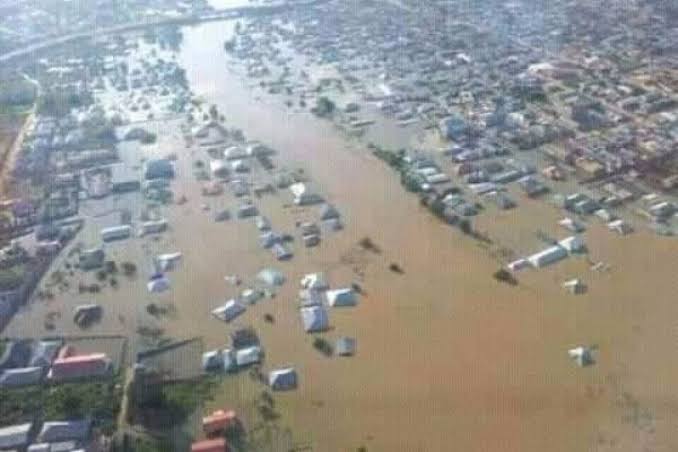
The Federal Government has urged Nigerians to take proactive measures against flooding as the country enters the peak of the 2026 rainy season, warning that climate change has significantly altered rainfall patterns and increased the risk of devastating floods across many parts of the country.
The warning was issued by the Special Assistant to the President on Climate Change Matters, Yussuf Kelani, who said recent flooding incidents, particularly in Lagos and other coastal communities, underscore the urgent need for disaster preparedness by governments and residents alike.
According to Kelani, climate change has intensified the frequency and severity of rainfall, resulting in heavy downpours that often overwhelm existing drainage systems and trigger widespread flooding.
“Climate change has altered the frequency, duration, and intensity of rainfall across many regions of the country. Instead of moderate rainfall spread over several days, communities increasingly experience short-duration but extremely heavy downpours that overwhelm drainage infrastructure, flood rivers, destroy roads, and displace entire communities,” he said.
He noted that inadequate urban planning, blocked drainage channels and poor environmental practices have compounded the impact of extreme weather events, turning heavy rainfall into humanitarian emergencies in many communities.
The presidential aide warned that while coastal states such as Lagos remain highly vulnerable to flash floods, communities along the River Niger and River Benue, as well as low-lying areas in the South-South, South-East, North-Central and parts of the North-West, also face heightened flood risks during the peak rainy season, which is expected to last through September.
He called on state and local governments to immediately clear drainage systems, inspect water control infrastructure and activate emergency response and evacuation plans in vulnerable communities.
Kelani also urged Nigerians to desist from dumping refuse in drainage channels, monitor weather forecasts issued by the Nigerian Meteorological Agency (NiMet), and relocate valuables from flood-prone areas where necessary.
He stressed that although extreme weather events may not be preventable, their impact can be significantly reduced through proper planning, environmental responsibility and coordinated action by government agencies, communities and residents.
The Federal Government reiterated its commitment to working with relevant agencies and state governments to strengthen disaster preparedness and minimize the impact of flooding during the remainder of the rainy season.


-

 Business7 days ago
Dangote Refinery IPO: 70% Subscription claim meets fourfold demand assertion as investors seek clarity
-
 Latest1 week ago
Umahi defends Lagos-Calabar highway route changes amid public outcry
-
Business1 week ago
Dangote Refinery IPO Extension: Was the 70% subscription report overhyped?
-

 Featured3 days ago
Inside INEC’s race to prepare for Nigeria’s 2027 elections
-

 Latest6 days ago
UCTH faces morgue crisis as 50 unclaimed corpses await mass burial
-

 Business5 days ago
BREAKING: Nigeria’s Inflation Rate Drops to 14.63% in September
-
 Featured3 days ago
2027: APC unveils nationwide campaign timetable, Tinubu to rally in 12 states
-

 Featured1 week ago
El-Rufai, ADC governorship candidate’s court appearance puts Kaduna opposition politics in focus