
Health
Experts raise fresh concerns over GMO crops, warn of health, food security risks

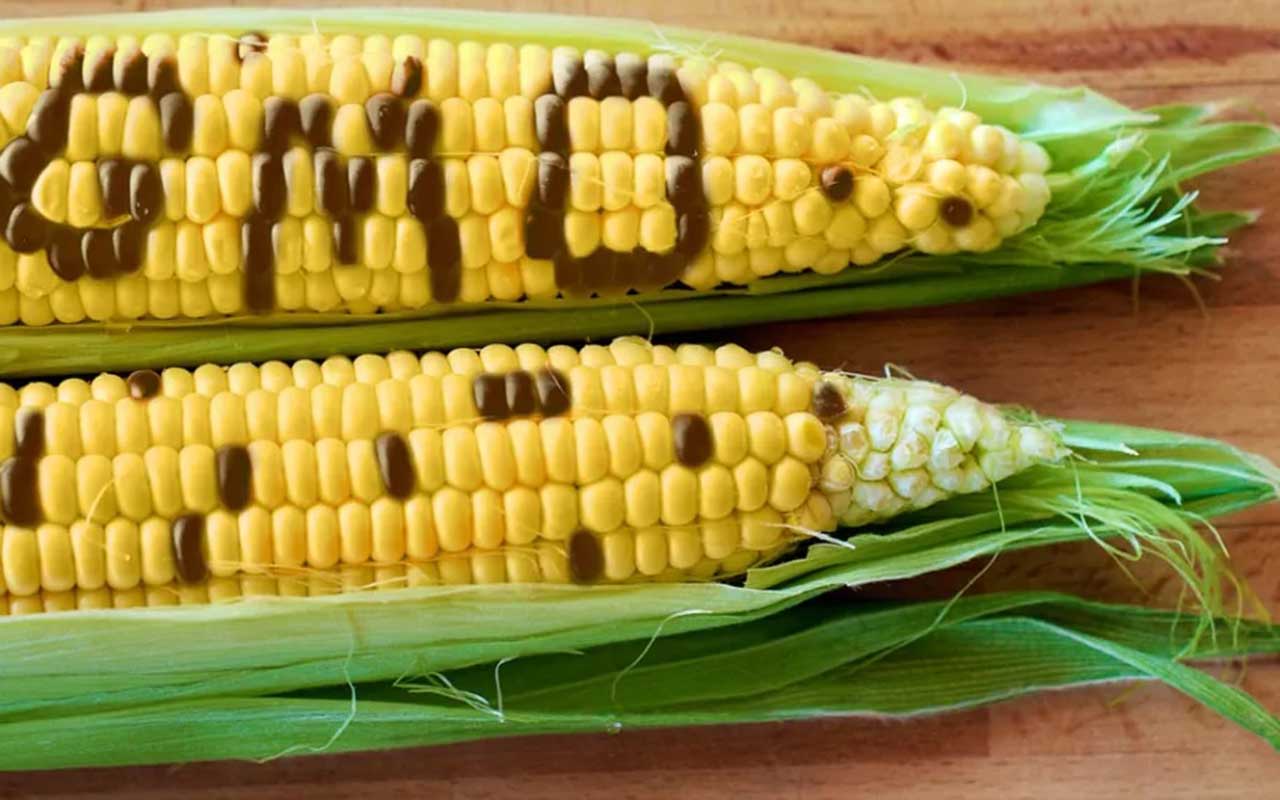
Health experts, environmental advocates, and food security stakeholders have renewed calls for caution over the adoption and deployment of Genetically Modified Organism (GMO) crops in Nigeria, warning that their widespread use could pose potential health, environmental, and food sovereignty challenges for the country.
The concerns were raised on Tuesday during a one-day media training on biosafety and agroecology attended by journalists and organised to examine the future of Nigeria’s food system, biosafety regulations, and the implications of genetically modified crops on public health, biodiversity, and sustainable agriculture.
Participants at the training expressed fears that the increasing introduction of GMO crops into Nigeria’s agricultural sector could deepen dependence on proprietary seed systems, threaten indigenous crop varieties, and undermine long-term food security.
The renewed debate comes months after the National Committee on Naming, Registration and Release of Crop Varieties, Livestock Breeds and Fisheries approved and registered four new transgenic cotton varieties in March 2026.
The decision sparked controversy amid claims that the varieties were approved without the required clearance from the National Biosafety Management Agency (NBMA).
The development further intensified national discussions on the future of genetically modified crops in Nigeria, with lawmakers, scientists, farmers, regulators and civil society organisations continuing to express divergent views on the issue.
Earlier, the House of Representatives conducted an investigative hearing into the introduction and regulation of GMO crops in the country’s agricultural system as part of broader efforts to assess their impact and ensure compliance with existing biosafety regulations.
READ ALSO: GMOs in Nigeria: A Bio-Weapon in Disguise?
Speaking at the event, health expert Dr. Ifeanyi Casmir warned against what he described as the growing push to genetically modify Nigeria’s staple crops, including cassava, maize, beans and cowpea, crops for which the country remains one of the world’s leading producers.
According to him, concerns extend beyond agricultural productivity to issues of ownership, control and the future of smallholder farming.
He argued that genetically modified crops could gradually shift control of seed systems away from local farmers and into the hands of multinational corporations that hold proprietary rights over the technology.
“Now, the worry we have is the quest to take our staple foods, cassava, maize, beans and cowpea, which Nigeria is one of the leading producers of globally, and to now modify them and make them proprietary,” he said.
Casmir further expressed concern over the relationship between GMO farming and the use of agrochemicals, noting that many genetically modified crops are designed to work alongside herbicides and pesticides.
He claimed that several chemical products currently in use have been associated with health concerns, including cancer risks, and called for more rigorous scrutiny of agricultural inputs linked to GMO production systems.
Environmental campaigners at the event also voiced concerns about the potential impact of GMO crops on biodiversity and ecosystem sustainability.
Programme Director of the Health of Mother Earth Foundation (HOMEF), Nnimmo Bassey, warned that genetically modified crops could contaminate indigenous genetic resources and reduce biodiversity, thereby affecting Nigeria’s agricultural resilience.
According to him, biodiversity remains a critical component of food security, particularly in a country where millions depend on smallholder farming for their livelihoods.
Bassey said reports from some farmers have raised concerns about soil health and productivity following the cultivation of genetically modified crops, adding that such issues require further investigation and public debate.
He cited concerns raised by members of the Cotton Farmers Association of Nigeria, who reportedly questioned whether GMO cotton varieties offer significant advantages over conventional alternatives.
“So key issues, key reasons why we are still on this campaign, are the fact that GMOs can contaminate Nigeria’s genetic resources and can bring about loss of biodiversity, which will then critically impact Nigeria’s food security,” Bassey said.
Also speaking, Executive Director of Corporate Accountability and Public Participation Africa (CAPPA), Akinbode Oluwafemi, urged the Federal Government to adopt a precautionary approach to GMO policy, citing ongoing international debates over the long-term health and environmental effects of genetically modified crops.


-

 Latest5 days ago
Full List: Meet the 2026 Nobel Prize winners across six categories
-

 Football5 days ago
Premier League Matchweek 7: Five Fixtures That Could Shape the Weekend
-

 Latest4 days ago
Umahi defends Lagos-Calabar highway route changes amid public outcry
-

 Business3 days ago
Dangote Refinery IPO: 70% Subscription claim meets fourfold demand assertion as investors seek clarity
-
Business4 days ago
Dangote Refinery IPO Extension: Was the 70% subscription report overhyped?
-

 Latest2 days ago
UCTH faces morgue crisis as 50 unclaimed corpses await mass burial
-

 Featured4 days ago
El-Rufai, ADC governorship candidate’s court appearance puts Kaduna opposition politics in focus
-

 Business2 days ago
BREAKING: Nigeria’s Inflation Rate Drops to 14.63% in September