
Energy
Bayelsa communities lament declining fish stocks, blame decades of oil pollution

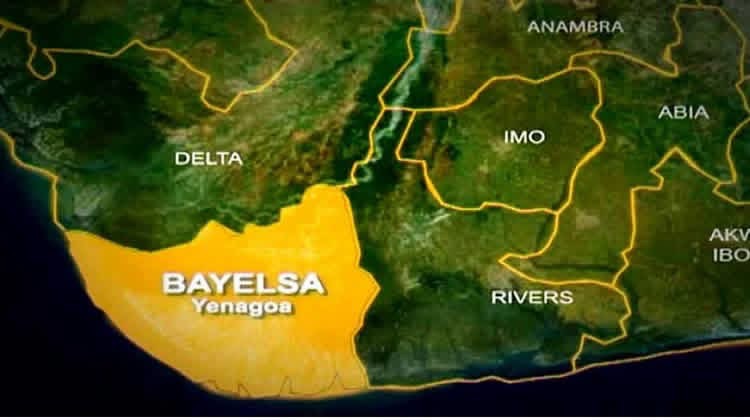
Residents of the Nembe-Okiori communities in Bayelsa State have expressed growing concern over the devastating impact of long-term oil pollution on their environment, warning that declining aquatic resources are threatening the livelihoods of thousands of people who depend on fishing for survival.
The communities, situated within the Nembe-Okiori oilfield, are largely made up of fishing settlements whose economies rely heavily on rivers, creeks, and mangrove ecosystems. Community leaders say decades of oil exploration activities and recurring pollution incidents have severely damaged these natural resources.
Speaking during a leadership training programme organised by Anatolia Energy and Services Limited in Yenagoa, Chairman of the Board of Trustees of the Nembe-Okiori Host Communities Development Trust (HCDT), Chief Isaiah Youngdede, said the environmental degradation has led to a sharp decline in fish and seafood populations across the area.
According to him, species such as bonga fish, lobsters, periwinkles and other native aquatic resources that once flourished in the region have become increasingly scarce, leaving many local fishermen struggling to sustain their families.
Youngdede stressed that the destruction of mangrove forests has been particularly damaging, noting that the ecosystems serve as critical breeding grounds and habitats for numerous fish species.
“The mangrove ecosystem is very important to our people because it serves as a natural habitat for many species of fish and seafood. Once those mangroves are polluted, the fishes can no longer migrate into those areas to breed as they used to. The result is what we are experiencing today — declining fish stocks and increasing hardship for local fishermen,” he said.
Environmental experts have long warned that oil spills can have lasting effects on aquatic ecosystems by contaminating waterways, reducing oxygen levels and introducing toxic substances into the food chain. Such pollution can also damage mangrove vegetation, which plays a crucial role in maintaining biodiversity and protecting coastal communities from erosion.
The Niger Delta, particularly Bayelsa State, has recorded numerous oil spill incidents over the past several decades. The Nembe area has been among the most affected, with communities repeatedly grappling with the consequences of pipeline failures, operational accidents, illegal refining activities and other sources of crude oil contamination.
Community leaders are now calling on government regulators and oil companies operating in the region to strengthen environmental safeguards, ensure greater accountability for pollution incidents and accelerate cleanup efforts in affected areas.
They warned that without urgent intervention, the continued degradation of the environment could further undermine economic activities and threaten the long-term survival of communities that depend on the region’s fragile wetland ecosystem.


-
 Latest5 days ago
Israel marks 3 years since October 7 Hamas attack amid Gaza strikes, election debate
-

 Energy5 days ago
Fuel Battle: Dangote, marketers and government clash over petrol imports
-

 Energy6 days ago
Petrol, diesel prices rise 86% in 2026 as costs hit fresh highs
-
 Energy7 days ago
Has Iran lost control of the Strait of Hormuz? Oil flows rebound as war disruptions persist
-

 Football6 days ago
Nigeria’s World Cup exit under spotlight as FIFA’s DR Congo files emerge
-

 Latest6 days ago
US Court set to rule on release of FBI, DEA records on Tinubu
-

 Business6 days ago
Nigerian investors at a crossroads as fixed-income yields slide
-

 Business7 days ago
LoveWorld Trade and Investment Forum to Convene Business Leaders in Accra