
Football
Man Utd still £1bn in debt after £63.5m stadium land spend

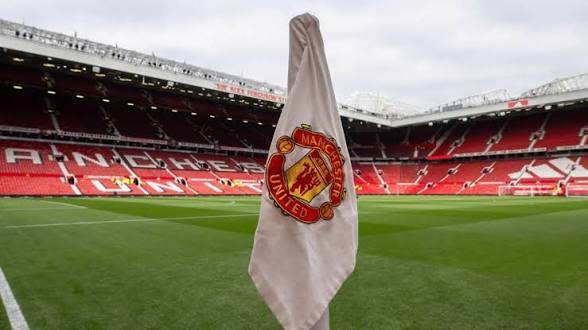
Manchester United’s overall debt remains above £1bn despite a major cost-cutting programme, with the club confirming it has spent £63.5m on land for its proposed new stadium.
United announced record annual revenue of £677.6m and an operating profit of £22.6m despite missing out on European football for the first time in a decade. The figures represent a significant improvement from the £113.2m loss recorded in 2023-24.
However, the club’s financial position remains under pressure, with overall debt still exceeding £1bn.
United’s historic debt currently stands at £577.6m, while £111.4m remains outstanding on its revolving credit facility. The club also has significant outstanding transfer fees included within the £473m listed under “trade and other payables”.
The club’s net finance costs rose to £69.6m for the year, an increase of 228.3%. United attributed most of the rise to foreign exchange losses.
Football finance expert Kieran Maguire said the latest figure means the total finance costs associated with the leveraged Glazer family takeover in 2005 have now exceeded £1bn.
United also confirmed that £63.5m of an additional $125m borrowing, equivalent to about £94.1m at the time of the refinancing, was used to purchase land for the club’s planned new stadium.

The club has not explained how the remainder of the additional borrowing was spent. The proposed stadium, which would be built around 350 yards from Old Trafford, is expected to cost more than £2bn.
The financial figures come amid growing frustration among supporters over investment in the men’s first-team squad.
United spent £148m on three major signings this summer, bringing in Carlos Baleba, Andrey Santos and Youri Tielemans. That figure was less than a third of Manchester City’s reported £458m spending and lower than the amount spent by some newly promoted clubs.
Supporters have questioned why the club did not sign another left-back to provide competition for Luke Shaw, who has already missed three matches through injury, or add further striking options for Benjamin Sesko after the forward missed pre-season with a shin problem.
United have maintained that some of the additional funds raised through refinancing were earmarked for the new stadium.
Chief executive Omar Berrada said the financial results showed the club was moving in the right direction.
“We are pleased to have secured record revenues,” Berrada said.
“This demonstrates the underlying strength of our business, and shows the direct impact of the work we have been doing over the past two years.
“While these results confirm that we are on the right trajectory, we will continue to take a disciplined approach to ensure our finances remain sustainable.”
United have also faced criticism over investment in the women’s team, which currently sit second bottom of the Women’s Super League with one point from three matches.
Sir Jim Ratcliffe has previously said the club needed to take significant measures to reduce losses. Two rounds of redundancies have resulted in around 450 jobs being cut.
United said its latest salary costs fell by £11.3m to £302m, largely because of changes to the men’s first-team squad and savings from staff reductions implemented during the previous two financial years.
“With that financial sustainability in mind, we have strengthened both our men’s and women’s teams during the summer window and our men’s team has seen the return of Champions League football to Old Trafford,” Berrada added.


-
 News6 days ago
UK, Canada pledge closer cooperation on trade, defence and AI
-
 Business5 days ago
Dangote Refinery IPO: Can small investors really make money from the shares?
-

 Business1 week ago
Tinubu’s economic reforms face public confidence test as cost-of-living crisis persists
-
 Business1 week ago
Dangote: Petrol price gap fuels smuggling as Nigeria faces fresh pump price surge
-

 Football5 days ago
FULL LIST: Eight stadiums to host 2027 Women’s World Cup in Brazil
-

 Comments and Issues6 days ago
Wavy fuel prices and deepening cost-of-living crises in Nigeria
-

 Business3 days ago
Jetour takes T1 adventure SUV experience to Abuja, targets growing Nigerian market
-

 Latest1 week ago
Court sets 7-day window for Atiku to serve Tinubu in 2027 suit