
Health
Study finds higher cancer risk among residents living near factory farms

Published
2 hours agoon
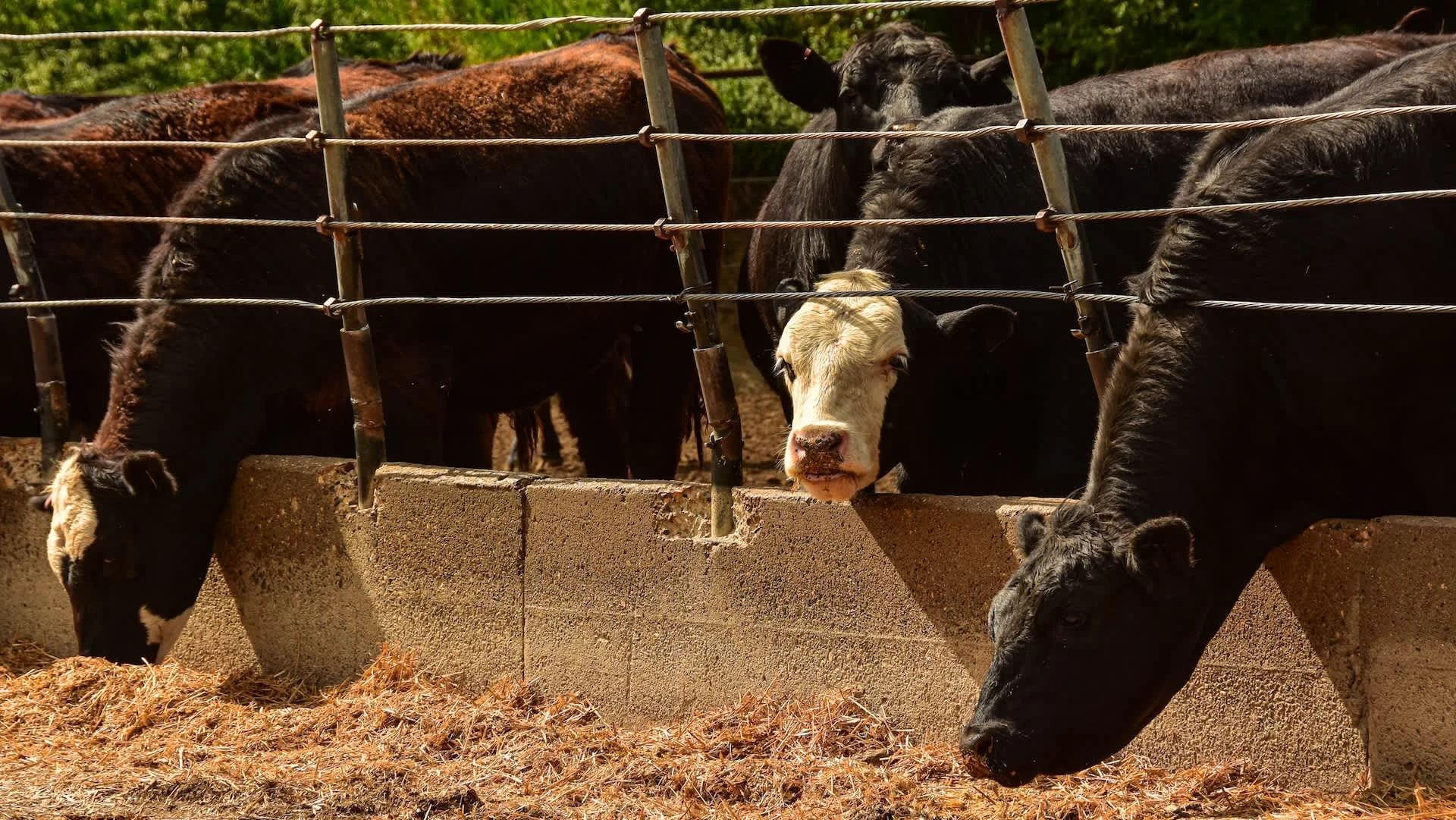
A new multi-state study from Yale University has found that people living in counties with high densities of factory farms may face elevated cancer risks, adding to growing concerns about the long-term public health impacts of industrial animal agriculture.
Researchers examined county-level cancer incidence data from 2000 to 2021 across Iowa, Texas, and California, comparing regions with large concentrations of concentrated animal feeding operations (CAFOs) to demographically similar counties with few or no such facilities. The analysis found that overall cancer incidence rates were “significantly elevated” in counties with more animal feeding operations, with increases of about 4% in California and roughly 8% in both Iowa and Texas.
The Yale research team reported positive associations between CAFO density and rates of nearly all cancer types examined, though the strength of the associations varied by cancer type. The researchers noted that such variation is expected in environmental health studies, where exposures interact with genetics, lifestyle factors, and long latency periods between exposure and disease development.
Cancer outcomes, they emphasized, may take decades to emerge after exposure to environmental pollutants, making direct causal attribution complex.
CAFOs confine large numbers of livestock in high-density facilities. In Iowa alone—where nearly all hogs are raised in CAFOs—livestock produce an estimated 110 billion pounds of manure annually, more than 100 times the human population’s waste output in the state.
This waste is typically stored in large outdoor lagoons and spread on agricultural land. Environmental scientists have long warned that these systems can release pollutants such as ammonia, hydrogen sulfide, and fine particulate matter into the air, while also contributing to nitrate contamination and pathogen runoff in nearby waterways.
A recent report from the Iowa Environmental Council and the Harkin Institute found that widespread nitrate contamination is common across Iowa and is associated with increased cancer risk. Iowa also has the second-highest and fastest-rising cancer rate in the United States.
READ ALSO: Scientists raise concerns over repeated rejections of mRNA vaccine cancer study
Iowa oncologist Richard Deming, who contributed to that report, said the new findings are consistent with existing evidence. He noted that the link between CAFOs, nitrate contamination, and water quality aligns with broader cancer trends in the state, even if individual cancer pathways are complex.
Public health experts caution that linking cancer cases directly to CAFO pollution is challenging due to multiple overlapping factors, particularly in rural communities. These include reduced access to healthcare, older populations, lower incomes, and differences in lifestyle risk factors such as smoking, diet, and physical activity.
Anne Schechinger, senior director of agriculture and climate research at the Environmental Working Group, said rural health disparities make it especially difficult to isolate environmental causes, even when patterns are statistically significant.
To address these challenges, the Yale researchers used statistical matching techniques to compare counties with similar demographics, including race, education, income, age, smoking rates, and rural or urban classification, aiming to isolate the potential influence of CAFO density.
The study defined animal feeding operations using U.S. Environmental Protection Agency criteria: facilities where animals are confined for at least 45 days per year without vegetation growth. CAFOs are larger operations meeting thresholds such as 700 dairy cattle, 2,500 swine, or 100,000 laying hens.
Under EPA rules, large CAFOs are required to hold permits regulating water pollution. However, as of 2024, fewer than one-third of CAFOs nationwide were permitted. Many smaller operations fall outside federal permitting requirements and are regulated inconsistently at the state level, if at all.
Researchers and advocacy groups argue that this leaves a large portion of industrial animal agriculture under-monitored, particularly in states like Iowa, where official datasets may not capture the full scale of livestock facilities.
Environmental health experts say the findings highlight the need for stronger monitoring of agricultural pollution and its health impacts.
Naman Shah of the Los Angeles County Department of Public Health said that public health agencies are not always structurally positioned to regulate industrial agriculture, despite its potential health consequences. He argued that regulatory frameworks may need to shift toward explicitly prioritizing population health outcomes in agricultural oversight.
Researchers also emphasized the importance of continued environmental monitoring. However, funding cuts in some states have raised concerns about the long-term availability of water quality and nitrate tracking programs, including in Iowa, where support for the Iowa Nutrient Research Center was reduced in 2023.
While the study does not establish direct causation, its authors say the consistent pattern across multiple states and cancer types strengthens concerns about chronic exposure to pollutants linked with industrial livestock production.
The findings add to a growing body of research examining how large-scale agricultural systems may contribute not only to environmental degradation but also to long-term public health risks in surrounding communities.

You may like
Trending

 Latest7 days ago
El-Rufai’s release delayed as court insists on strict bail compliance

 Football7 days ago
Messi’s Inter Miami coach Mascherano resigns after historic MLS triumph

 Maritime6 days ago
Nigeria sits at the center of West Africa’s stolen vehicle trade

 Crime1 week ago
Monguno Attack: Commanding Officer, six others die in roadside bomb blast

 Football5 days ago
The “Old Guard” of Europe: Exploring the 10 longest-serving managers in the top five leagues

 Latest6 days ago
ADC convention: Aregbesola accuses INEC of dereliction of duty, insists party met all Legal requirements
 Health5 days ago
GMO foods linked to increased risk of health problems in children

 Latest5 days ago
2027 will be my final presidential bid, says Atiku