
News
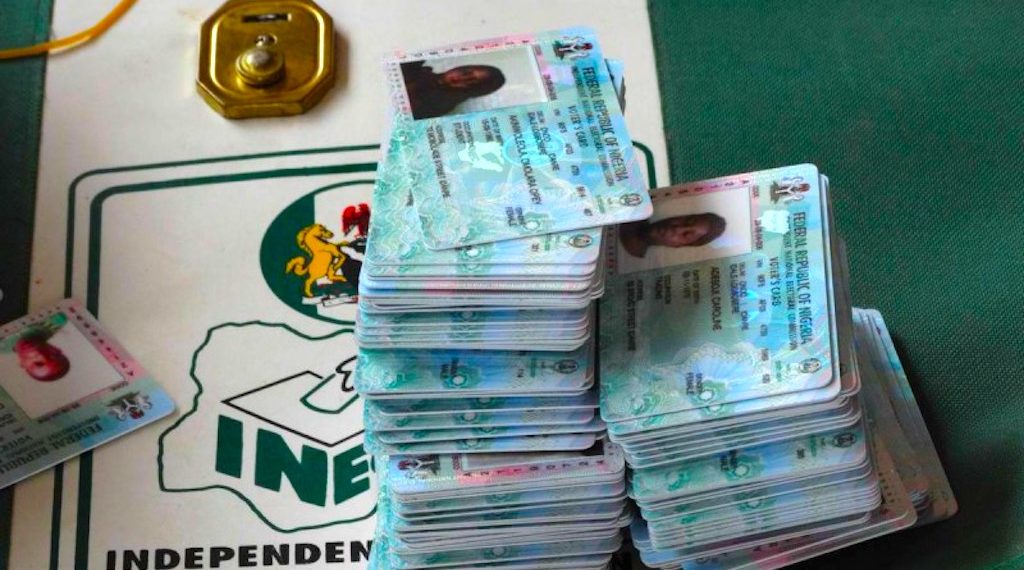
NigeriaDecides2027: PVC Collection Begins October 9 – INEC

… Close Operational Gaps
The Independent National Electoral Commission (INEC) has taken its 2027 General Election readiness assessment to the North-West, with the Commission’s Chairman, Professor Joash O. Amupitan, SAN, directing officials to close operational gaps, strengthen neutrality and ensure that no avoidable weakness undermines the credibility of the forthcoming elections.
Amupitan gave the charge on Monday in Kaduna at the North-West Zonal Interactive Meeting with Staff and Readiness Assessment for the 2027 General Election.
The engagement is part of INEC’s six-zone national tour aimed at assessing the Commission’s preparedness for the elections, identifying challenges confronting its field operations and developing practical solutions ahead of the polls.
Declaring the North-West zonal engagement open, INEC Chairman, Professor Joash O. Amupitan, SAN, said the Commission’s presence in Kaduna was not merely an administrative exercise but part of efforts to strengthen the foundations of the country’s electoral process.
Amupitan said election success was ultimately determined at the grassroots, particularly at Local Government Areas, Registration Area Centres and polling units where electoral officials interact directly with voters.
“The true success of any election is not decided solely in the meeting rooms of our headquarters in Abuja. It is decided in the field,” he said.
He urged staff to use the engagement to present practical challenges affecting election administration in their respective areas and work with headquarters to develop solutions before election day.
The Chairman said the Commission was building on lessons from recent elections while preparing for the larger national assignment in 2027.
He warned electoral officials against partisan conduct and administrative negligence, stressing that the neutrality and professionalism of field personnel would be critical to public confidence in the electoral process.


-

 Latest2 days ago
Pastor Chris Oyakhilome announces mother’s passing at 88 [VIDEO]
-

 Football5 days ago
Saka: England still carry World Cup scar
-

 Comments and Issues7 days ago
Sometimes, goodwill finds us through the people we love
-

 Latest3 days ago
Arsenal eye €70-80m move for Real Madrid star
-

 Business6 days ago
CBN reduces MPR by 350bps to 23% in major monetary policy shift
-

 Latest2 days ago
How adulterated palm oil, coloured pepper are putting consumers at risk
-

 Crime3 days ago
Police arrest suspect, launch manhunt for 2 others over Delta Education Director’s death
-

 Crime2 days ago
Deaths in NSCDC Custody: Can Nigeria guarantee the safety of detainees?