
Business
Foreign reserves decline by $445.4m as oil plunges below $28 pb

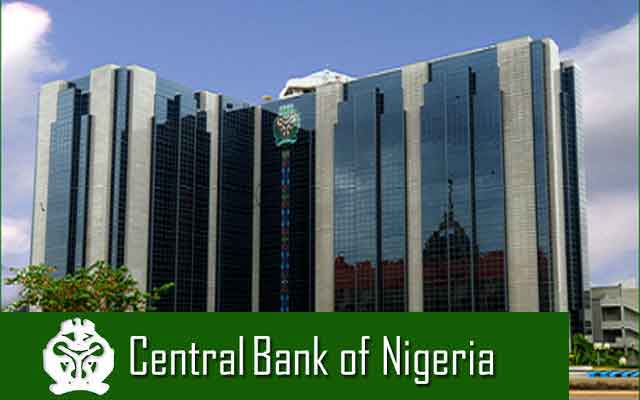
Nigeria’s foreign reserves has dropped by another $445.4 million hitting an all-time low of $28.6 billion this week from the $29.101 billion recorded at the end of last trading year.
This is not unconnected with the continued decline in the prices of crude which has also falling below $28.74, its lowest point for 13 years.
There have been growing apprehensions in the oil industry that the recent lifting of sanctions on Iran by Western countries which could worsen the existing oversupply problem, even as Iran is ready to increase its daily export of 1.1million barrels of crude exports by 500,000 bpd.
“The drop in price was due to the western sanctions on Iran being lifted. This means we will be seeing a bigger oil glut with Iranian crude exports coming back to the market,” said Daniel Ang, an analyst at Phillip Futures.
The United States and the European Union lifted the sanctions on Sunday after the UN’s nuclear watchdog confirmed that Iran had complied with its obligations under a landmark deal last year to curb Tehran’s programme.
A report by BBC, explained that investors fear the lifting of Western sanctions on Iran could worsen the existing oversupply problem, as price of US crude was $29.65 a barrel after hitting $28.36.
Iran has the fourth largest proven oil reserves in the world, according to the US Energy Information Agency and any additional oil would add to the one million barrels a day of over-supply that triggered more than 70per cent collapse in oil prices since the middle of 2014. Analysts say Iran already had quite a lot of oil ready to sell.
“Iran has quite a large storage of oil at the moment. They are in a position to sell that if they choose to do so and increase supply quite quickly,” said Ric Spooner, chief market analyst at CMC Markets. The drop in the price of oil has been driven by oversupply, mainly due to US shale oil flooding the market.
At the same time, demand has fallen because of a slowdown in economic growth in China and Europe.
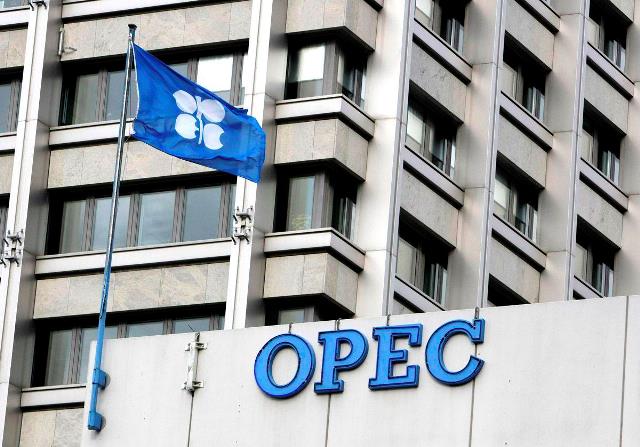
Historically, Opec has cut production to support prices. But led by Saudi Arabia, by far the group’s most powerful member, the group has resolutely refused to trim supply this time.
Analysts expect supply to continue to outstrip demand over the next two years, which would keep prices low.








-
 Business7 days ago
Dangote Refinery IPO: 70% Subscription claim meets fourfold demand assertion as investors seek clarity
-

 Latest1 week ago
Umahi defends Lagos-Calabar highway route changes amid public outcry
-
Business1 week ago
Dangote Refinery IPO Extension: Was the 70% subscription report overhyped?
-

 Featured4 days ago
Inside INEC’s race to prepare for Nigeria’s 2027 elections
-

 Latest6 days ago
UCTH faces morgue crisis as 50 unclaimed corpses await mass burial
-
 Featured4 days ago
2027: APC unveils nationwide campaign timetable, Tinubu to rally in 12 states
-
 Business6 days ago
BREAKING: Nigeria’s Inflation Rate Drops to 14.63% in September
-

 Featured1 week ago
El-Rufai, ADC governorship candidate’s court appearance puts Kaduna opposition politics in focus