
News
India approves 654MW electricity export to flood-hit Nepal

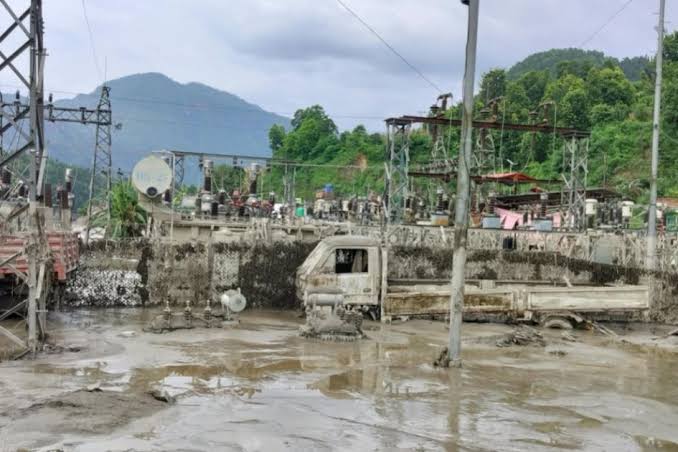
India has approved the export of up to 654 megawatts (MW) of electricity to Nepal following devastating floods that damaged hydropower infrastructure and created additional electricity shortages in the Himalayan country.
The approval, announced by India’s Ministry of Power on Monday, September 14, will allow Nepal to import electricity from India for 18 hours a day, from midnight to 6pm, between September 13 and December 31, 2026.
The arrangement includes up to 600 MW through the Muzaffarpur-Dhalkebar 400-kilovolt transmission line and another 54 MW through the Tanakpur-Mahendranagar 132-kilovolt line.
The additional electricity is expected to help Nepal maintain power supplies after catastrophic flooding damaged generating facilities and transmission infrastructure across parts of the country.
Nepal relies heavily on hydropower for its electricity generation and has traditionally exported surplus electricity to India and, more recently, other regional markets.
The recent disaster significantly disrupted that system. Reuters reported that the floods, triggered by a glacier collapse, damaged more than a dozen hydropower plants and left Nepal facing a substantial reduction in available generating capacity. The country subsequently halted some electricity exports and sought additional imports from India to meet domestic demand.
The damage has also complicated Nepal’s preparations for the winter period, when domestic hydropower production normally falls as river flows decline.
The latest arrangement strengthens the longstanding electricity relationship between the two neighbouring countries.
Nepal has increasingly relied on electricity imports from India during periods when domestic generation is insufficient, while India has also been a major market for Nepal’s hydropower exports.
The Indian government said the decision was intended to support Nepal during the crisis while reinforcing bilateral cooperation in the energy sector.
The timing of the supply also reflects differences in the two countries’ electricity-demand patterns. India’s rapidly expanding solar generation can create additional daytime power availability, while Nepal is facing an urgent need for electricity after losing generating capacity to the floods.
The agreement comes as both countries confront growing challenges linked to extreme weather, electricity demand and energy infrastructure.
India itself has experienced strong electricity demand growth in 2026. August power demand reached a record 169 billion units, while peak demand rose to about 258 GW, according to recent industry data.
Despite those domestic pressures, New Delhi has approved the additional supply to Nepal, highlighting the importance of cross-border electricity trading in managing short-term energy shortages.
For Nepal, the immediate priority is restoring damaged hydropower and transmission infrastructure while maintaining reliable electricity supplies during the recovery period.
The power arrangement is expected to remain in place until the end of December, after which the situation will be reassessed depending on Nepal’s generation capacity and electricity requirements.


-

 Featured5 days ago
Inside INEC’s race to prepare for Nigeria’s 2027 elections
-

 Featured5 days ago
2027: APC unveils nationwide campaign timetable, Tinubu to rally in 12 states
-

 Latest1 week ago
UCTH faces morgue crisis as 50 unclaimed corpses await mass burial
-

 Business7 days ago
President Tinubu and the Low Transport Fares Fiasco
-

 Business1 week ago
BREAKING: Nigeria’s Inflation Rate Drops to 14.63% in September
-
 Business5 days ago
Court dismisses ₦170m Trade Fair contract claim, says Zenith Bank was not a party
-
 Business3 days ago
Naira faces exchange rate gap as Dollar hits N1,380 on parallel market
-

 Latest7 days ago
Global excitement builds as Healing Streams Live Services returns October 23