
Business
Moody’s cuts China credit outlook to negative as economy slows

By Francisca Emeka- Amaugo
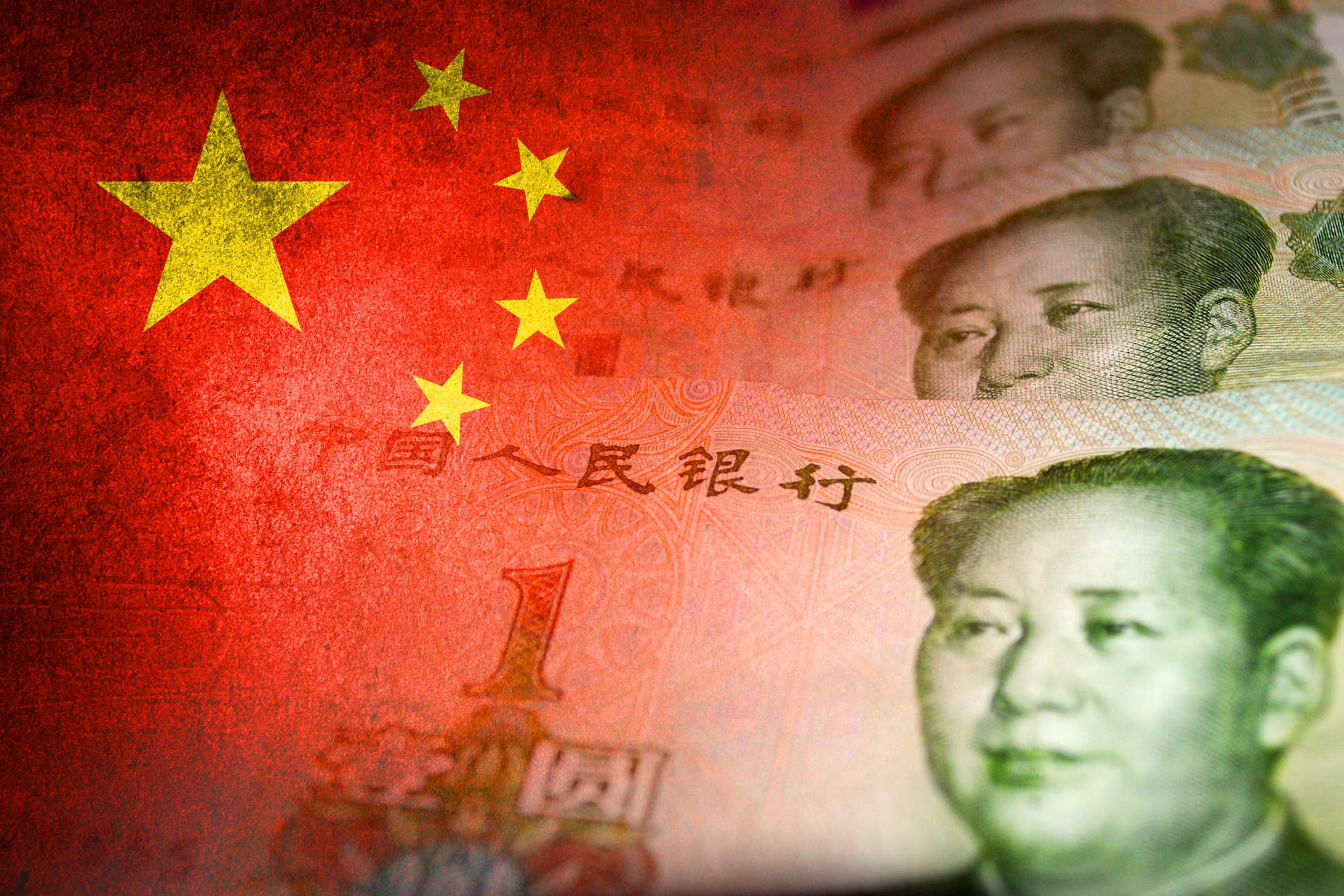
China’s ability to repay its government borrowing has been downgraded by the credit rating agency Moody’s, which said the ripple effects from a crisis in the property sector would undermine efforts to revive its flagging economy.
Moody’s warned that Beijing would need to bail out local and regional governments and state-owned enterprises that were struggling with rising debts, hampering efforts to boost investment and growth.
The rating agency downgraded its outlook for Chinese sovereign bonds from stable to negative on Tuesday, sending a signal to potential lenders that the risk of a default by Beijing has increased over the past year.
China’s finance ministry said it was “disappointed” with Moody’s decision when the economy was on the mend. It said the agency’s concerns were “unnecessary” when the recovery “has been advancing steadily”.
The world’s second-biggest economy had been slowing before a 2020 crackdown on excessive borrowing that followed a series of debt defaults by dozens of property developers.
Without the revenues from rising real estate values and property transactions, local government finances have come under pressure. State enterprises that need loans to fund expansion have struggled to access credit from lenders affected by growing property defaults.
On Monday, the property developer Evergrande was granted an extension until late January to try to restructure its debts and avoid liquidation.
READ ALSO: Trade and Export Promotion Academy has Made it Easier to Get into the Export Business
Once the largest developer in China, the company reportedly owes more than $300bn (£237bn), much of it to individuals whose properties were never built.
Moody’s said the need for government intervention to support banks and local governments poses “broad downside risks to China’s fiscal, economic and institutional strength. The outlook change also reflects the increased risks related to structurally and persistently lower medium-term economic growth.”
The changes in the property sector represent “a major structural shift in China’s growth drivers”, and could be a more significant drag to overall economic growth rate than expected, it said.
Factors such as “weaker demographics”, as the population ages, will probably drive a decline in potential growth to about 3.5% by 2030, Moody’s said..”


-

 Latest1 week ago
Global excitement builds as Healing Streams Live Services returns October 23
-

 Featured6 days ago
Inside INEC’s race to prepare for Nigeria’s 2027 elections
-

 Featured6 days ago
2027: APC unveils nationwide campaign timetable, Tinubu to rally in 12 states
-

 Business1 week ago
President Tinubu and the Low Transport Fares Fiasco
-

 Business4 days ago
Naira faces exchange rate gap as Dollar hits N1,380 on parallel market
-
 Business6 days ago
Court dismisses ₦170m Trade Fair contract claim, says Zenith Bank was not a party
-

 Latest6 days ago
Breaking: NNPCL raises petrol price to ₦1,405 per litre amid discount controversy
-

 Business1 week ago
Rite Foods targets beverage market growth with LIDA Malt