
Business
Nigeria at risk of deeper debt crisis, KPMG warns

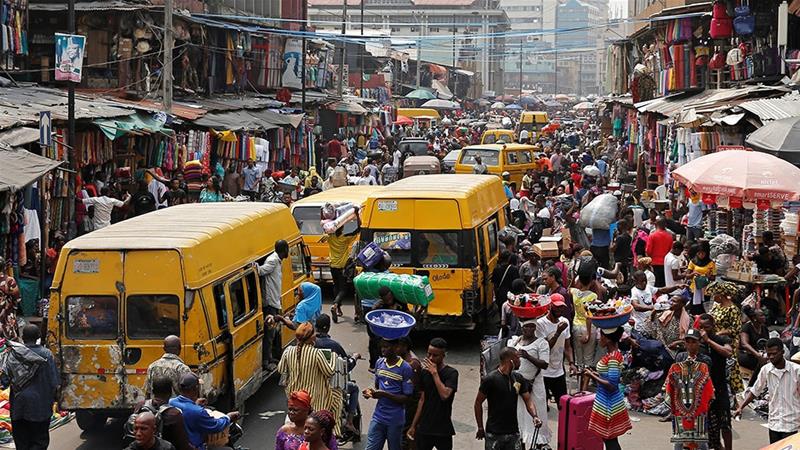
KPMG Nigeria has revealed that Nigeria is at risk of a deeper debt crisis if the government does not take urgent steps to boost revenues.
Adewale Ajayi, partner and head of tax, regulatory and people services at KPMG stated this on Tuesday in the October 2022 episode of the KPMG Social Media Tax Chat, titled ‘2023 Budget: Is Nigeria facing a revenue crisis or a debt crisis?’
According to Ajayi Nigeria is experiencing a revenue crisis that has triggered a debt crisis.
“If we do not generate enough revenue, we would have to borrow. Borrowing to fund recurrent expenditure instead of revenue-generating infrastructure will lead to a vicious circle where we keep borrowing,” he warned.
The International Monetary Fund (IMF) had predicted that Nigeria’s debt service-to-revenue ratio would jump to 92 percent in 2022 from 76 percent in 2021.
However, government revenue as a percentage of GDP has remained stuck at a paltry 6 percent, less than half of the frontier market average of 15 percent.
READ ALSO: Tinubu reveals plans on Nigeria’s FX crisis, fuel subsidy, debt
“From the standpoint of fiscal sustainability (solvency and liquidity), Nigeria is gradually approaching a fiscal cliff or trap as the country’s debt service to revenue climbs unchecked (currently at 119 percent of revenue) and debt-to-GDP ratio approaches the 35 percent weak-risk threshold set by the IMF (currently at 23.3 percent in Q1-2022),” the Nigerian Economic Summit Group said last month.
However, Ajayi said the country’s revenue crisis can be curtailed if government borrowings are used in building infrastructure that would generate more revenue to finance budget deficits, rather than borrowing to do so.
To manage and address revenue shortages in the country, he said the cost of governance, the issues of oil theft and fuel subsidy, revenue diversification, and incentive systems should be reviewed for Nigeria to avoid a debt crisis.
“Diversification from oil revenue to non-oil revenue like technology will increase our revenue strength in the country,” he said. “This is a crucial aspect the government needs to focus on from the success stories of leading countries.”
READ ALSO: Nigeria’s debts at critical levels, Agura policy warns
Ajayi said grant incentives (not only tax incentives) can also be employed to attract investors into the country. “The cost of incentives to pioneer companies or investors should not be overlooked as they can also affect income to the coming government.”
Further buttressing his insights on how to address revenue shortages in the country, he said the deployment of technology would increase the level of compliance by taxpayers and help to reduce the cost of governance.
On subsidy removal Ajayi stressed that, “Without a substantial investment in research and improvement of the oil refineries by the government, the removal of fuel subsidy would not bring a solution to the revenue generation problem in Nigeria.”


-

 Latest6 days ago
Full List: Meet the 2026 Nobel Prize winners across six categories
-

 Football6 days ago
Premier League Matchweek 7: Five Fixtures That Could Shape the Weekend
-
 Business4 days ago
Dangote Refinery IPO: 70% Subscription claim meets fourfold demand assertion as investors seek clarity
-

 Latest5 days ago
Umahi defends Lagos-Calabar highway route changes amid public outcry
-
Business5 days ago
Dangote Refinery IPO Extension: Was the 70% subscription report overhyped?
-

 Latest3 days ago
UCTH faces morgue crisis as 50 unclaimed corpses await mass burial
-

 Featured5 days ago
El-Rufai, ADC governorship candidate’s court appearance puts Kaduna opposition politics in focus
-

 Business3 days ago
BREAKING: Nigeria’s Inflation Rate Drops to 14.63% in September