
Business
Nigerians lament rising cost of cooking gas

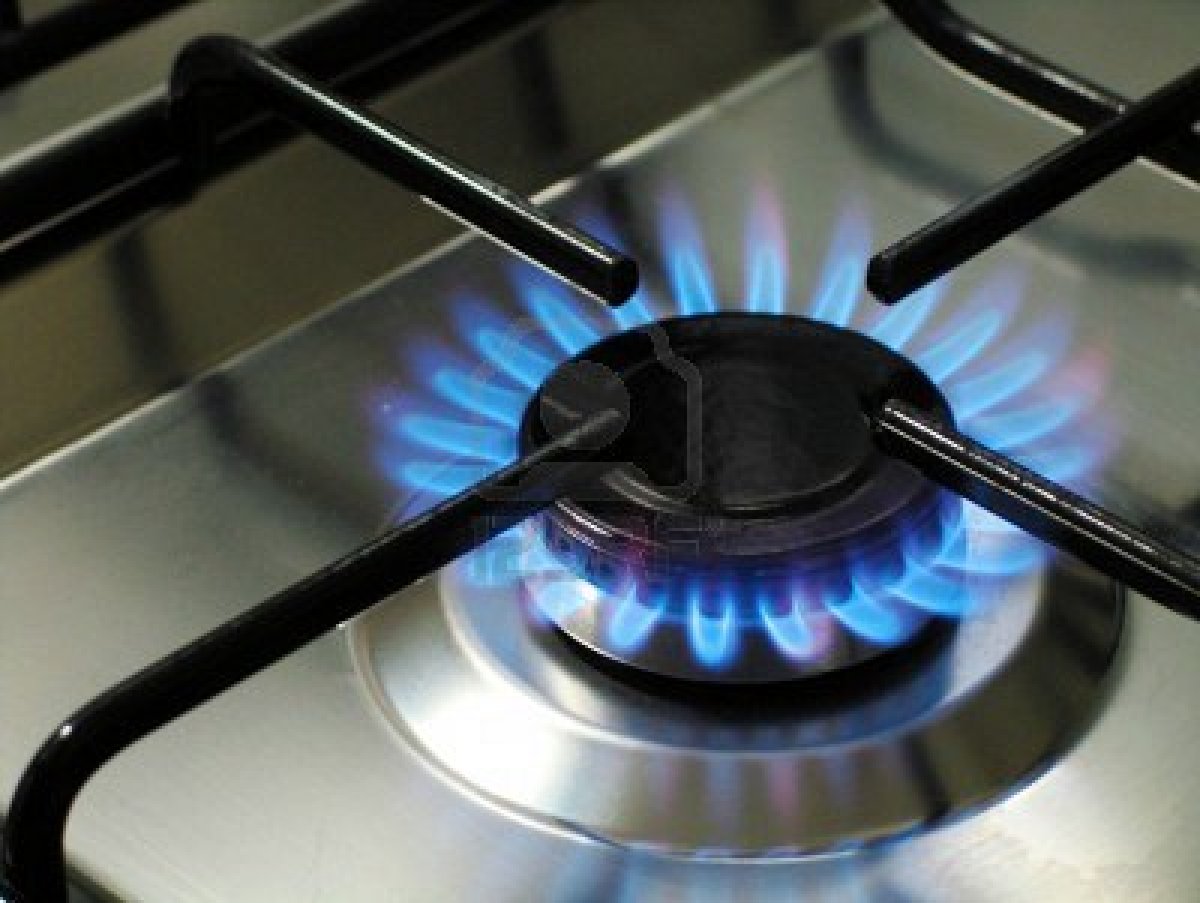
The rising cost of cooking gas is taking its toll on many Nigerians as many homes have been lamenting the rising cost of the product in the country despite having one of the largest reserves of gas in the world.
Recently, the price of a 12.5kg cylinder of cooking gas jumped to over N5,000 in some parts of Lagos, drawing bitter complaints from domestic consumers who watch helplessly as inflation and other economic realities deal diminishing blows to their purchasing power.
Lamenting, a mother of four in Egbeda area of Lagos, Mrs Bolaji Esan, disclosed that she has now returned to the use of kerosene and sometimes charcoal grill to cook for her family.
READ ALSO: TotalEnergies reduces gas flaring in Nigeria by 75% in 10yrs
“At over N6,000 for a 12.5kg cylinder of LPG, cooking gas is becoming gold in Nigeria. Although kerosene is not cheap either, I can at least buy it in small portions daily to meet my needs.”
Kunle Bolaji explained that it is now getting increasingly difficult to refill gas cylinders as everything has become so expensive in the country. “We were complaining when the price of cooking gas hit N4,000. Now it has risen further and is sometimes unavailable at fuel stations. The government needs to do more to alleviate the sufferings of Nigerians.”
For Emmanuel, it is the same story. “The situation in this country is getting crazier. The government has to do something about the rising cost of commodities. Cooking gas is slipping out of the reach of the average Nigerian and this defeats all their talk on deepening LPG adoption in the country.”
Recall that in July, Nigerian Liquefied Natural Gas (NLNG) Ltd stated that it was meeting about 40 percent of the demand for the domestic LPG market with the supply of about 370,000 metric tonnes (MT) of Liquefied Petroleum Gas (LPG) to the domestic market in 2020. This is still a far cry from where Nigeria should be in terms of meeting domestic LPG demands.
READ ALSO: Digitalisation’ll boost profitability, efficiency in oil, gas sector – Minister
Meanwhile, an energy expert, Seun Okunbadejo stated that some industry players import LPG into the country relying on high parallel market dollar exchange rates that further drives up the cost of cooking gas for end-users, particularly making it unaffordable to low-income earners.
“We have lots of gas but no infrastructure around gas resources,” he stated further. “To reduce imports, adequate investments are needed. Gas suppliers are importing LPG, paying in dollars, and due to inflation this affects retail prices.


-
 Latest1 week ago
Israel marks 3 years since October 7 Hamas attack amid Gaza strikes, election debate
-
 Energy1 week ago
Fuel Battle: Dangote, marketers and government clash over petrol imports
-

 Latest2 days ago
Full List: Meet the 2026 Nobel Prize winners across six categories
-
 Featured6 days ago
103 Million Voters: What does INEC’s new register say about Nigeria’s population?
-

 Business1 week ago
Nigerian startup 3650HQ moves to cut rising WhatsApp costs for businesses
-

 Football2 days ago
Premier League Matchweek 7: Five Fixtures That Could Shape the Weekend
-

 Business7 days ago
The Ministry of Commerce of Loveworld gets a $1 million boost for new investment fund at LTIF 2026 to promote Trade in Ghana
-

 Features7 days ago
Edo’s 2.5 million vote promise: Can the numbers match the politics?