
Energy
Oil prices steady as U.S. sanctions on Iran begin

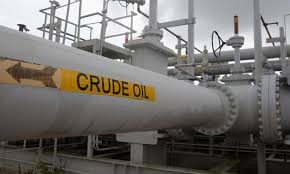
Oil prices steadied today as U.S. sanctions against Iran’s fuel exports began but were softened by waivers allowing major buyers to import Iranian crude for a while as Tehran said it would defy Washington and continue to sell.
Brent crude oil was unchanged at $72.83 a barrel by 1230 GMT.
U.S. light crude CLc1 was 15 cents lower at $62.99.
Both oil benchmarks have lost more than 15 per cent since hitting four-year highs in early October as hedge funds have cut bullish bets on crude to a one-year low.
“Oil bulls have long pinned their hopes on the Iran factor and today’s dearth of upside potential will be a major source of concern,” said Stephen Brennock, analyst at brokerage PVM Oil.
Washington imposed sanctions against Iran on Monday, restoring measures lifted under a 2015 nuclear deal negotiated by the administration of former U.S. President, Barack Obama, and adding 300 new designations including Iran’s oil, shipping, insurance and banking sectors.
In response, Iranian President, Hassan Rouhani, said in a speech broadcast on state TV that Iran would break the sanctions and continue to sell oil.
Washington said on Friday it would temporarily allow eight importers to keep buying Iranian oil.
“U.S. sanctions against Iran … created serious concerns with traders earlier in September. But they are turning into a damp squib,” said Fiona Cincotta, market analyst at City Index.
Washington has so far not identified the eight. China, India, South Korea, Turkey, Italy, the United Arab Emirates and Japan have been the top importers of Iran’s oil, while Taiwan also occasionally buys Iranian crude.
South Korea said on Monday it had been granted a waiver, at least temporarily, to import condensate, a super-light form of crude oil, from Iran. It was also allowed to continue financial transactions with the Middle East country, it said.
China’s foreign ministry expressed regret at the U.S. decision but would not directly say if China had or had not been granted an exemption.
Oil markets have been anticipating the sanctions for months and the world’s biggest producers have been increasing output.
Joint output from Russia, the United States and Saudi Arabia rose above 33 million barrels per day (bpd) for the first time in October, up 10 million bpd since 2010, with all three pumping at or near record volumes.
In the Middle East, the Abu Dhabi National Oil Co plans to increase its oil production capacity to four million bpd by the end of 2020 and to five million bpd by 2030, it said on Sunday, from output of just over three million bpd.












-
 Business1 week ago
Dangote Refinery IPO: 70% Subscription claim meets fourfold demand assertion as investors seek clarity
-

 Featured4 days ago
Inside INEC’s race to prepare for Nigeria’s 2027 elections
-

 Latest6 days ago
UCTH faces morgue crisis as 50 unclaimed corpses await mass burial
-

 Featured4 days ago
2027: APC unveils nationwide campaign timetable, Tinubu to rally in 12 states
-

 Business6 days ago
BREAKING: Nigeria’s Inflation Rate Drops to 14.63% in September
-

 Aviation1 week ago
Germany opens online application route for student, EU Blue Card and other long-stay visas
-
 Business4 days ago
Court dismisses ₦170m Trade Fair contract claim, says Zenith Bank was not a party
-

 Business5 days ago
President Tinubu and the Low Transport Fares Fiasco