
Football
Ronaldo’s international retirement: Five factors behind his decision

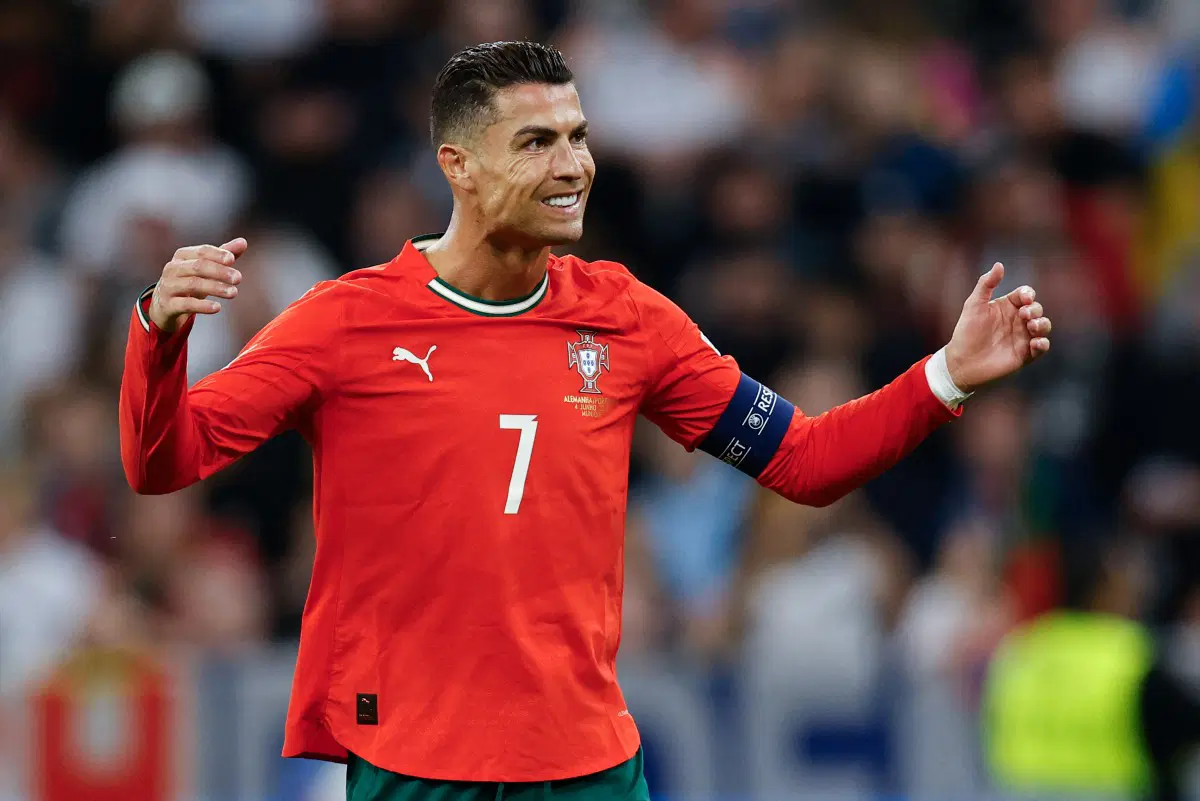
Cristiano Ronaldo recently announced his retirement from international football at the age of 41, bringing an end to an illustrious career with Portugal that spanned more than two decades and produced remarkable records, major trophies and historic achievements.
The legendary forward bows out as the highest-scoring male international footballer in history, with 146 goals for Portugal. He also captained the national team to two major European titles, cementing his status as one of the greatest footballers ever to represent his country.
His decision, however, has sparked discussions about his relationship with the national team’s technical leadership, the physical demands of competing at an advanced age and the need to create opportunities for Portugal’s emerging generation of footballers.
Although the precise circumstances surrounding his departure remain unclear, several factors have been linked to his decision to end his international career.
Reported Disagreement With Jorge Jesus
One of the issues reportedly surrounding Ronaldo’s international future is a disagreement with compatriot Jorge Jesus over his role and playing time with the national team.
The dispute allegedly followed a match against Norway in which Ronaldo was left on the substitutes’ bench despite an earlier understanding that he would feature for approximately 30 minutes.
The decision reportedly angered the Portugal captain, who felt that an agreement reached with the coach had not been honoured.
Tensions were said to have escalated after comments attributed to Jesus in the media differed from what the two men had allegedly discussed privately.
READ ALSO; Kane Closes in on Ronaldo’s Champions League Scoring Record After 10th Straight Goal
The reported disagreement has fuelled speculation that strained relations with the technical leadership may have influenced Ronaldo’s decision to walk away from international football.
Physical Demands of International Football at 41
Ronaldo’s age is another factor that could have influenced his decision.
The five-time Ballon d’Or winner has maintained exceptional fitness and professionalism, continuing to compete at a high level long after many of his contemporaries retired.
However, international football presents additional physical challenges, including frequent travel, demanding training schedules, intense competition and the pressure of major tournaments.
Although Ronaldo remains capable of delivering decisive performances, sustaining the physical intensity required to compete against younger opponents becomes increasingly challenging with age.
Retiring from international football could therefore enable him to manage his workload more effectively, reduce the risk of injuries and prolong his club career.
Protecting an Extraordinary International Legacy
Ronaldo leaves Portugal with an enviable record that has already secured his place in the country’s football history.
He captained Portugal to its first major international title at the 2016 European Championship, defeating France in the final despite being forced off injured during the match.
He subsequently played a key role in Portugal’s triumphs at the UEFA Nations League in 2019 and 2025.
With 146 international goals, Ronaldo also holds the record for the highest number of goals scored by a male footballer in international matches.
After more than 20 years of representing his country, the forward may have considered the moment appropriate to bring his international career to an end while his achievements remain firmly established.
For a player whose career has been defined by an uncompromising desire to win and maintain exceptional standards, choosing when to leave the international stage could be an important part of preserving his legacy.
Portugal’s Emerging Generation Gets Opportunity
READ ALSO; Christiano Ronaldo leads Messi, makes Forbes Billionaire list
Portugal has developed an impressive pool of young and established players capable of sustaining the country’s competitiveness on the international stage.
Bruno Fernandes, Bernardo Silva, Rafael Leão, João Neves and Gonçalo Ramos are among the players expected to shoulder greater responsibilities in the coming years.
Ronaldo’s departure could create room for younger footballers to emerge as leaders while giving the national team greater flexibility in developing its attacking options.
Replacing his goalscoring prowess, experience and influence will undoubtedly be difficult. However, his retirement presents an opportunity for Portugal to develop a new identity and reduce its dependence on one of the most recognisable figures in world football.
The transition could prove particularly significant as the country prepares for future European and international competitions.
Focus Shifts to Club Career
Ronaldo’s retirement from international football does not necessarily signal the end of his professional playing career.
At 41, the forward could still have ambitions at club level, where he may be able to manage his playing commitments without the additional demands of international assignments.
Stepping away from Portugal would provide more time for recovery, training and preparation while allowing him to concentrate on his remaining club commitments.
For a footballer who has consistently challenged conventional limits of longevity, managing the final stage of his career could become as important as the achievements that established his global reputation.
End of an Era for Portuguese Football
Ronaldo’s international retirement marks the conclusion of one of the most extraordinary individual careers in Portuguese football history.
From his international debut in 2003 to becoming national team captain, record goalscorer and one of the most decorated players in the game, he has remained central to Portugal’s football identity for more than two decades.
His influence extends beyond statistics and trophies, having inspired generations of footballers and supporters through his determination, discipline and pursuit of excellence.
While questions may persist about the immediate circumstances surrounding his decision, his contributions to Portuguese football remain indisputable.
Portugal now faces the challenge of building on the foundation Ronaldo helped establish, as the next generation prepares to write a new chapter in the country’s football history.


-
 Business3 days ago
OPay explains how Nigerians can access FG’s N50,000 monthly cash relief
-
 Sports7 days ago
Senegal opens Dakar 2026 Youth Olympic Games, Africa’s first Olympic event
-
 Football1 week ago
U-17 Women’s World Cup: Flamingos Beat Mexico to Reach Quarter-Finals
-
 Latest6 days ago
FG Announces N50,000 cash support for vulnerable Nigerians under new relief programme
-

 Business6 days ago
NNPC’s N66-per-litre petrol discount set to end October 31
-
 Latest6 days ago
INEC recognises Pantami for Gombe, keeps Kano NDC candidate off final list
-

 Latest1 week ago
Netanyahu, Eisenkot face coalition deadlock as Israel struggles to form new government
-

 Latest6 days ago
NDC Chieftain tells Atiku to drop presidential ambition over son’s support for Tinubu