
Business
Stakeholders seek better financing, tax relief for Nigerian businesses

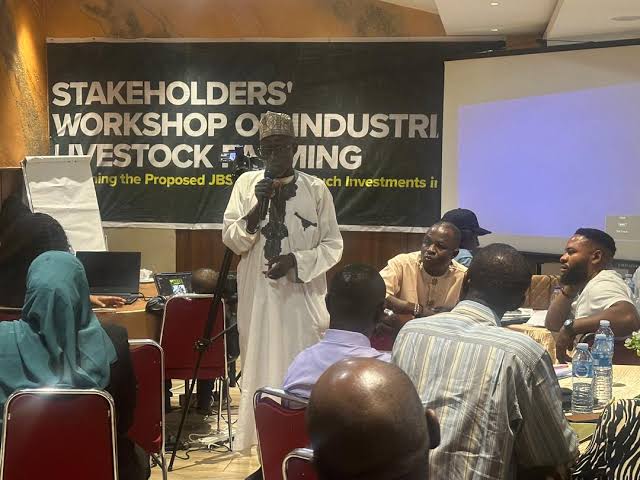
By Diden Abigail Owuntarose
Stakeholders in Nigeria’s entrepreneurship sector have called on the Federal Government to reduce the tax burden on businesses, improve access to affordable financing and address infrastructure challenges affecting business growth.
The call was made at the second edition of the Finance Must Meet Enterprise (FME) 2026 programme, where participants stressed the need for stronger collaboration between government, financial institutions and private-sector operators to create a more supportive business environment.
The stakeholders warned that high operating costs, inadequate infrastructure and limited access to funding were making it difficult for many Nigerian businesses to survive, expand and create employment.
The keynote speaker at the event, Rotarian Chief Chidi Nkem-Aruoma, urged the Federal Government to review tax policies and ease the financial pressure on entrepreneurs.
He said businesses already spent significant amounts on machinery, workforce development, wages and other operational expenses, leaving them with limited resources for expansion after meeting their tax obligations.
Nkem-Aruoma argued that excessive financial burdens could discourage investment and make it harder for businesses to remain competitive.
He called for policies that would allow entrepreneurs to grow their operations, employ more workers and reinvest their earnings in productive activities.
The businessman also emphasised the importance of involving organised private-sector groups in the formulation of policies affecting enterprises.
According to him, collaboration between government and business associations would help policymakers better understand the challenges entrepreneurs face and develop practical solutions.
Beyond taxation, Nkem-Aruoma identified poor road networks, inadequate seaport facilities and limited rail connectivity as major obstacles to business development.
He said businesses transporting goods from Lagos to other parts of the country faced additional costs because of poor road conditions and the limited availability of efficient transportation infrastructure.
READ ALSO; Fuel tax not on the table for now — Oyedele
He called for improved seaport facilities and a more efficient national rail network to facilitate the movement of goods, reduce logistics expenses and strengthen commercial activities.
The concerns are particularly relevant to small and medium-sized enterprises, which often have fewer financial resources to absorb unexpected transportation costs and other operating expenses.
Higher logistics costs can increase the cost of bringing raw materials to factories and transporting finished products to markets, potentially forcing businesses to raise prices or accept lower profit margins.
Earlier, the Director-General and Registrar of the Institute of Entrepreneurship and Apprenticeship Management of Nigeria, Dr Jerry Ibeh, said the FME initiative was established to connect viable businesses with appropriate financing opportunities.
Ibeh explained that many entrepreneurs needed more than access to money to grow their operations. They also required business knowledge, strategic partnerships, financial discipline and an enabling environment.
He said access to suitable financing could help enterprises move beyond survival, increase productivity, create jobs and develop sustainable business models.
The programme, held under the theme, “Financing the Future: Building Resilient Enterprises for Sustainable Economic Growth,” brought together stakeholders to discuss ways of improving enterprise financing and strengthening the country’s entrepreneurial ecosystem.
Ibeh called for greater cooperation among government agencies, financial institutions, investors, development partners and business owners to make financing more accessible to viable enterprises.
He also stressed the need for entrepreneurs to deploy borrowed funds responsibly and maintain sound financial management practices to improve their chances of long-term success.
Access to affordable loans remains an important consideration for businesses seeking to purchase equipment, maintain inventory, pay workers or expand into new markets.
When financing is expensive or difficult to obtain, entrepreneurs may struggle to increase production or take advantage of new commercial opportunities.
Similarly, unpredictable operating expenses and multiple financial obligations can limit the funds available for reinvestment.
Stakeholders therefore called for measures that would reduce these pressures while encouraging responsible lending, private investment and sustainable enterprise development.
They maintained that a stronger business environment would enable entrepreneurs to contribute more effectively to job creation and economic growth.
The discussions at FME 2026 highlighted the need to combine access to finance with supportive taxation policies, improved infrastructure and stronger partnerships between the public and private sectors.
However, the impact of such proposals will depend on the specific measures adopted by government, the availability of financing and the extent to which businesses can access the support provided.


-

 Latest7 days ago
Full List: Meet the 2026 Nobel Prize winners across six categories
-

 Football7 days ago
Premier League Matchweek 7: Five Fixtures That Could Shape the Weekend
-
 Business5 days ago
Dangote Refinery IPO: 70% Subscription claim meets fourfold demand assertion as investors seek clarity
-

 Latest6 days ago
Umahi defends Lagos-Calabar highway route changes amid public outcry
-
Business6 days ago
Dangote Refinery IPO Extension: Was the 70% subscription report overhyped?
-

 Latest4 days ago
UCTH faces morgue crisis as 50 unclaimed corpses await mass burial
-

 Business4 days ago
BREAKING: Nigeria’s Inflation Rate Drops to 14.63% in September
-

 Featured6 days ago
El-Rufai, ADC governorship candidate’s court appearance puts Kaduna opposition politics in focus