
Business
Stanbic IBTC begins deduction of N50 electronic transfer levy from domiciliary accounts

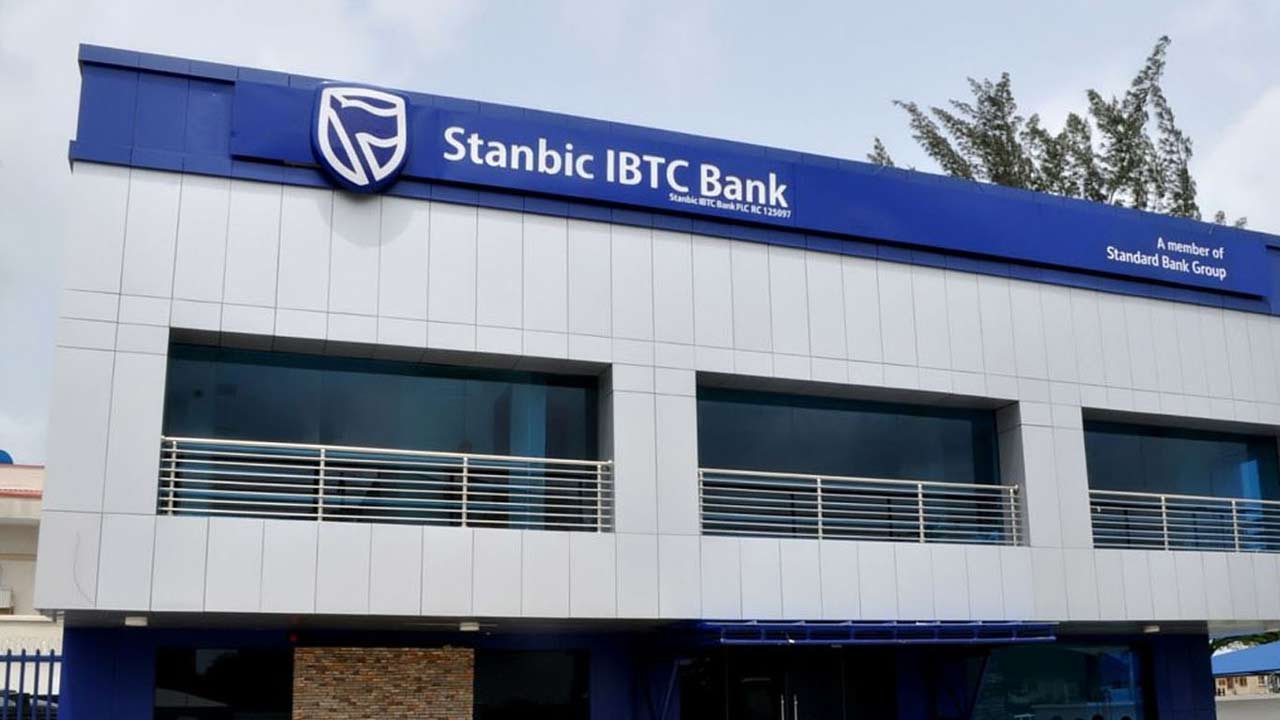
Stanbic IBTC Bank says it will start deducting the sum of N50 as electronic money transfer levy (EMTL) on transfers into domiciliary accounts.
The bank notified customers of the development in an email.
It said the new levy would take immediate effect following the EMTL regulation issued by Zainab Ahmed, minister of finance, budget and national planning.
READ ALSO: Stanbic IBTC staff in alleged N250m fraud
According to Stanbic IBTC, customer with domiciliary accounts would be charged an equivalent of N50 as EMTL at an exchange rate determined by the Central Bank of Nigeria (CBN).
By implication, this means customers with a dollar or pound account will be charged an equivalent fee of N50 for inflows.
“We write to notify you of recent changes impacting electronic money transfer transactions,” the financial institution said in the email.
“The electronic money transfer levy (EMTL) regulation was recently issued by the honorable minister of finance, budget, and national planning.
Based on the regulation, the EMTL levy at the foreign currency equivalent of N50 is now applicable on the transfer of funds into domiciliary accounts.
“The exchange rate determined by the Central Bank of Nigeria shall be the applicable conversion rate.
“In view of the above, please note EMTL shall apply to qualifying inflows into domiciliary accounts with immediate effect.”
In December 2022, the finance minister signed the EMTL regulations into law.
READ ALSO: Stanbic IBTC, FCMB, Sterling Bank, 4 others spend N173.99bn on Staff salaries
The regulations provide for a singular and one-off levy of ₦50 on the recipient of any electronic receipts or transfers of ₦10,000 or above.
For equivalent receipts or transfers carried out in other currencies, the levy will be charged at the exchange rates determined by the CBN.
The regulations were issued to provide guidance for the imposition, administration, collection, and remittance of the EMTL introduced by the finance act of 2020.


-

 Featured5 days ago
Nigeria’s youth unemployment paradox: Graduates struggle as millions survive in informal jobs
-

 Business5 days ago
Nigerian Banks earn N521.8bn from E-banking, card fees in nine months
-

 Energy5 days ago
Nigeria’s power crisis deepens as ₦639bn unpaid gas debt threatens electricity supply
-

 Latest5 days ago
Dalung claims ‘message from Buhari’s grave’ urges Nigerians to vote Atiku in 2027
-

 Latest1 week ago
2027 elections: Former INEC commissioner warns against ‘Rig and Die’ slogan, says violence undemocratic
-
 Featured4 days ago
Tinubu’s Renewed Hope: Reforms, hardship and the unanswered question of a second term
-

 Business1 week ago
GTCO fashion weekend: As fashion evolves, Nigerian men are rewriting the rules of style
-

 Featured4 days ago
The cost of Renewed Hope: How Nigeria’s economic reforms are reshaping everyday family life