
Latest
U.S. Health department raises alarm over excessive screen time among children, teens

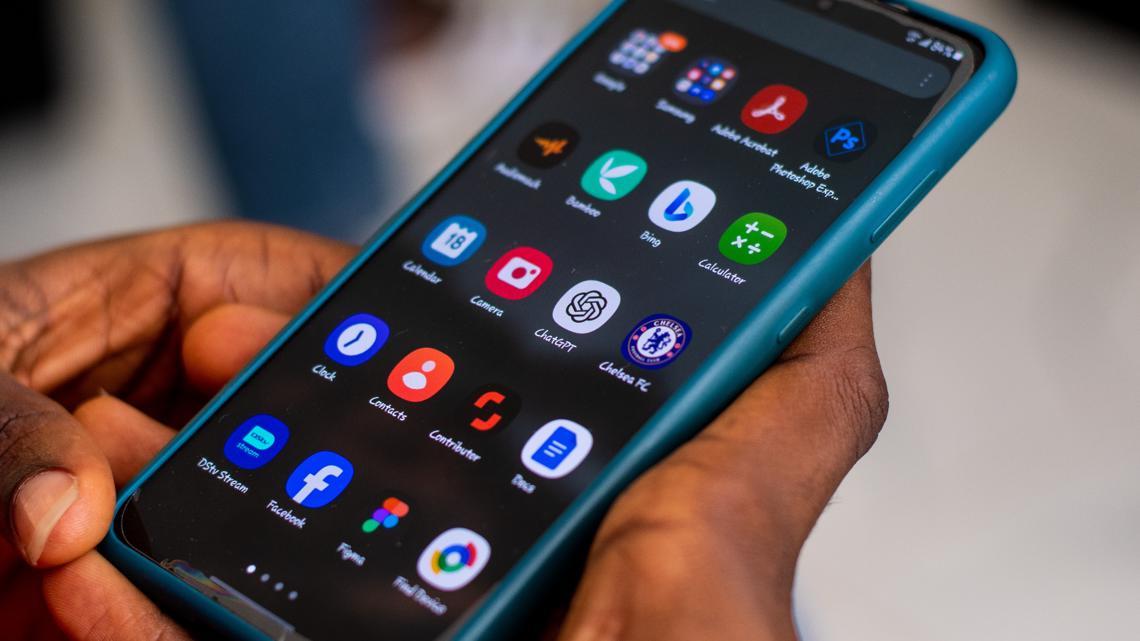
The U.S. Department of Health and Human Services has released a new surgeon general’s report warning about the growing dangers linked to excessive screen use among children and teenagers, describing the trend as one of the most pressing public health concerns facing young Americans.
The report, unveiled on Thursday by Robert F. Kennedy Jr. during a press conference in Gilbert, forms part of his nationwide “Take Back Your Health” campaign aimed at tackling chronic disease and promoting healthier lifestyles among families.
Kennedy said modern children are now spending more time in front of screens than engaging in essential daily activities such as sleeping, exercising, reading or interacting physically with family and friends.
According to him, the rising dependence on digital devices has become “one of the most urgent health challenges facing American children.”
The newly released report includes a toolkit designed to help parents, schools and communities manage children’s screen exposure. It also summarises scientific research on how prolonged use of smartphones, tablets, computers, gaming systems and televisions may affect young people physically, mentally and emotionally.
“This is something we should have done for our kids a long time ago,” Kennedy stated while announcing the initiative.
The report was issued from the office of the U.S. surgeon general despite the position remaining vacant since January 2025 following the return of Donald Trump to office.
Trump had initially nominated Janette Nesheiwat and later Casey Means for the role, but both nominations were withdrawn before Senate confirmation.

On April 30, Trump nominated Nicole B. Saphier for the position after Means’ nomination stalled in Congress. Earlier this week, Kennedy appointed Stephanie Haridopolos to serve temporarily until the Senate confirms a permanent appointee.
Although the report stops short of issuing official federal guidelines, it encourages families to create personalised “media plans” that may include: No screen time for children under 18 months; Less than one hour daily for children below six years; A maximum of two hours per day for children aged six to 18.
READ ALSO: Early smartphone use among youths tied to lasting mental health struggles–Study
The recommendations arrive shortly after bipartisan lawmakers introduced the SMART Kids Act, legislation that would require the surgeon general to establish evidence-based national recommendations for children’s screen time.
The bill was sponsored by Chris Deluzio and co-sponsored by Erin Houchin.
Deluzio said screens have become unavoidable in children’s daily lives, making it necessary for the government to better understand their developmental effects.
“Screens are everywhere these days, and we ought to be studying how screen time can impact our kids and their development,” he said in a statement.
Houchin added that parents deserve clearer guidance about the potential mental health and developmental dangers associated with excessive device use.
The bill has received support from several organisations, including the American Psychological Association, American Federation of Teachers and Children and Screens: Institute of Digital Media and Child Development.
The report also references a growing body of scientific studies connecting excessive screen use with various health concerns among children and adolescents.
An August 2025 study published in the Journal of the American Heart Association found that children who spend longer hours on screens face increased risks of cardiometabolic conditions such as high blood pressure, insulin resistance and elevated cholesterol levels.
Researchers noted that every additional hour of leisure screen time — including television viewing, gaming and smartphone use — significantly increased health risks compared to children of the same age group.
Importantly, the study suggested the dangers were not solely linked to physical inactivity. Even when researchers accounted for exercise levels and diet, children with higher screen exposure still showed greater signs of heart and metabolic stress.
Additional concerns were raised by Miriam Eckenfels, who argued that screen use also increases children’s exposure to electromagnetic radiation from wireless devices.
Eckenfels, director of the Electromagnetic Radiation and Wireless Programme at Children’s Health Defense, said prolonged exposure could contribute to neurological and behavioural issues.
She cited recent studies linking cell phone exposure to abnormal blood cell clumping and increasing reports of aggression, anger and hallucinations among teenagers who began using mobile devices at younger ages.

-

 Business6 days ago
Nigeria: Whither the fruits of 2026 crude oil windfall?
-

 Latest7 days ago
Makinde declares 2027 presidential bid under PDP–APM alliance
-

 Comments and Issues1 week ago
Political Parties Primaries: Consensus or Coronation?
-

 Comments and Issues7 days ago
Does it matter to Africa if Nigel Farage comes to Number 10?
-

 Business5 days ago
Trump-Xi summit sparks fresh questions for Nigeria’s economy, tech sector
-

 Business4 days ago
Nigeria’s foreign debt climbs 22% to $51.86bn under Tinubu administration
-

 Comments and Issues7 days ago
Is France Real or Playing Ping Pong With Africa?
-

 Comments and Issues6 days ago
The “Onuku” Called Kenneth Okonkwo