
Business
What Nigeria must do about Naira depreciation, forex crises – IMF

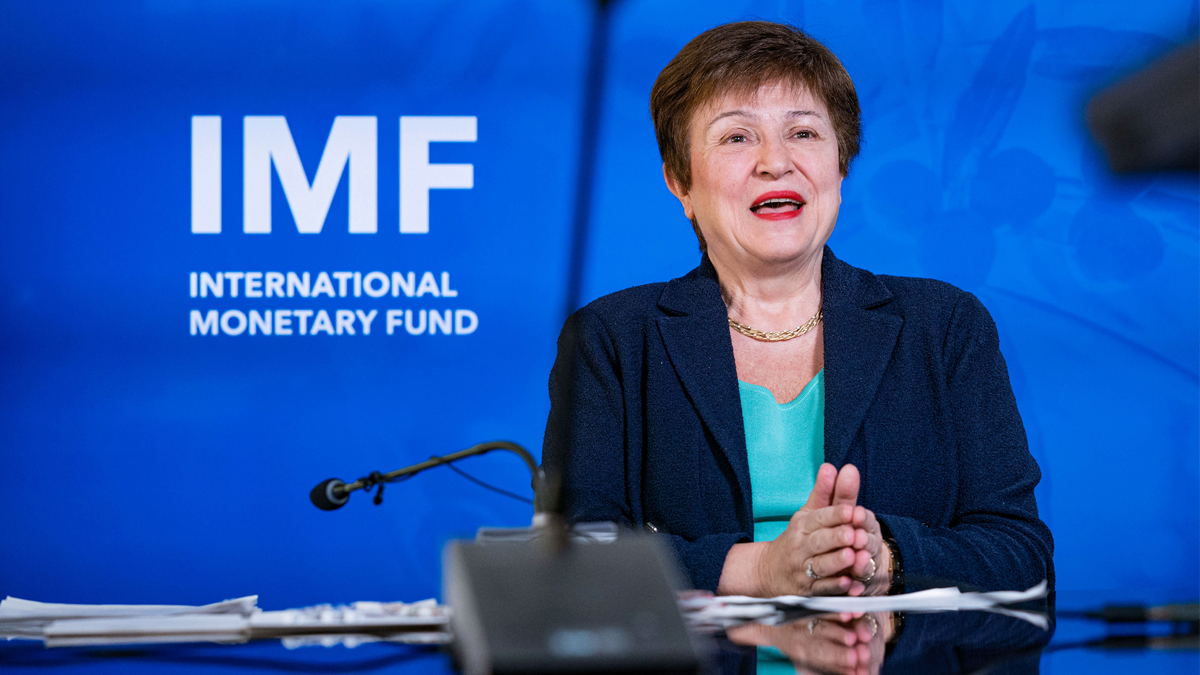
The International Monetary Fund (IMF) has offered advice to the Central Bank of Nigeria (CBN) on exchange rate management, and how to solve the Naira’s depreciation.
According to the institution, for Naira to find its value and also solve current forex crises, the CBN should empower commercial banks to set dollar buy-sale prices.
The pressure on Nigeria’s currency, Naira, moderated on Wednesday as it gained 0.95 percent against the dollar at the parallel market following a slight increase in dollar supply.
At the close of trading on Wednesday, the local currency stood at N787.50 per dollar, compared to N795/$1 at the parallel market the previous day.
Nigeria’s currency has been wobbling in recent days at the unofficial market. It lost 3.14 percent of its value on Tuesday after appreciating against the dollar last week.
The naira fell to 795/$1 on Tuesday from N770/$1 on Monday at the parallel market in Lagos. However, at the Investors and Exporters (I&E) forex window, Naira depreciated by 0.15 percent to the dollar.
READ ALSO: Naira Redesign: Is the decision to change it a masterstroke or a wrong initiative?
The IMF stressed that if commercial banks have the power to determine the exchange rate, it will increase foreign capital flows into the economy.
The IMF gave the advice in its 2022 Article IV Consultation concluding statement published on Friday.
“Maintaining a uniform and market-clearing currency rate is vital to increasing foreign investor confidence in the economy,” IMF said.
IMF also insisted that continued forex shortages, a stabilised exchange rate regime, rising inflation, limited debt servicing capacity, and administrative restrictions on current transactions fuel devaluation speculations.
“These factors hinder much needed capital inflows, encourage outflows and constrain private sector investment. The mission reiterated its past recommendations to move towards a unified and market-clearing exchange rate by dismantling the various exchange rate windows at the CBN accompanied by clarity on exchange rate policy and supportive fiscal and monetary policies.
“In the medium term, the CBN should step back from its role as main forex intermediator, limiting interventions to smoothing market volatility and allowing banks to freely determine forex buy-sell rates,” it stated.


-

 Football5 days ago
Banda, Chawinga make 2026 Women’s Ballon d’Or top 30 shortlist
-

 Featured5 days ago
Peter Obi, Makinde and the 2027 elections: Can unity really challenge APC?
-

 Business7 days ago
Nigerian Breweries’ H1 profitability strengthens as revenue hits N804bn
-

 Business6 days ago
Nigeria records N12.59trn trade surplus in Q2 2026 — NBS
-

 Latest7 days ago
Tinubu’s US legal battle: Group questions silence of elder statesmen
-

 Energy4 days ago
Brent crude tops $100: What higher oil prices mean for Nigeria
-

 Latest6 days ago
Akpabio courts northern youths for Tinubu’s reforms ahead of 2027
-

 Featured6 days ago
2027: Rivers ADC fires back at Wike, says boasts won’t decide elections