
Health
Why it’s important for women to prepare for menopause

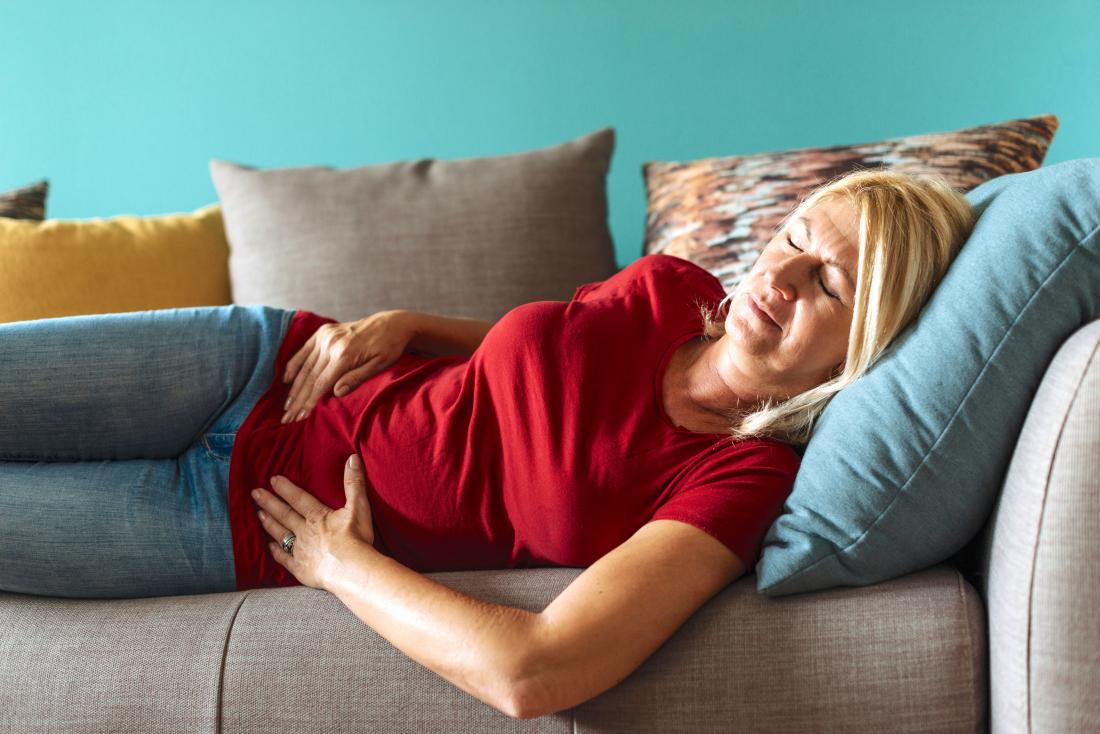
A Gynecologist, Dr. Isaac Shamaki, has advised women to be psychologically prepared for a condition in their adult life called perimenopause.
Perimenopause or menopause is the time when ovaries gradually begin to make less estrogen, which usually starts in a woman in her 40s but can even start in her 30s or earlier.
According to Dr. Shamaki, perimenopause means a time characterised by irregular menses, usually more spaced out, beginning from 30 years.
He said that in spite of its inevitability, women would experience changes in their menstrual cycle throughout since their period was directly tied to their hormones.
He explained that “from the late 30s, hormones start to fluctuate, and can lead to scanty, lighter periods.
“When a woman turns 40, her body starts to shake things up, before she reaches menopause, her body goes through perimenopause, a transition time between normal periods and full menopause.
The expert said that women do not go into menopause until they go into a full year without menstruation.
“Some months, the eggs just do not reach a point where they release, and so a period gets missed,” he said.
Shamaki said that a woman’s period could come closer together because there was no “normal” period when it comes to her menstrual cycle.
He noted that some women might actually experience more periods in their post 40, adding that “in some cases, estrogen and progesterone surge during the menstrual cycle and periods could come closer together, and the flow might get heavier.
“As hormones fluctuate more dramatically, women who have mood symptoms with their periods tend to see more fluctuations in those moods. Some women get very depressed as the hormonal fluctuations become more significant. If you find yourself becoming significantly depressed, do not’t be afraid to reach out to your doctor.
“Anti-depressants are very helpful in this kind of depression, and if left untreated, it can become very severe during the menopausal transition,” he advised.
Shamaki noted that even though periods might come less frequently or might be lighter than before, they would still experience those gut-churning cramps and they might actually be worse.
He said that cramps could get worse in the beginning of perimenopause due to the closer and stronger surges of estrogen and progesterone.


-

 Featured1 week ago
Inside INEC’s race to prepare for Nigeria’s 2027 elections
-

 Featured1 week ago
2027: APC unveils nationwide campaign timetable, Tinubu to rally in 12 states
-

 Business5 days ago
Naira faces exchange rate gap as Dollar hits N1,380 on parallel market
-

 Business1 week ago
Court dismisses ₦170m Trade Fair contract claim, says Zenith Bank was not a party
-

 Latest1 week ago
Breaking: NNPCL raises petrol price to ₦1,405 per litre amid discount controversy
-

 Football2 days ago
Man United shortlist Emery, Nagelsmann as potential replacements for Carrick
-

 Business2 days ago
Hoodlums raid JED Benue office, abduct 10 staff over power dispute
-

 Featured1 day ago
BREAKING NEWS: Shouts of joy rock the world as Pastor Chris opens final Healing Streams edition for 2026