
Featured
4 Nuts you need to avoid eating

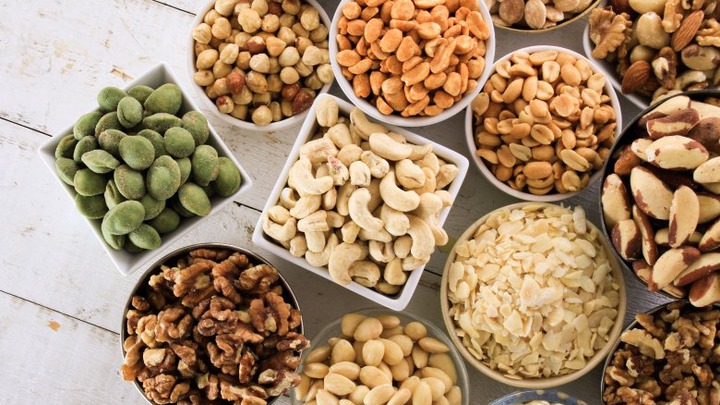
A nut is a fruit consisting hard nutshell protecting a kernel that is usually edible. Nuts contain the diverse nutrients that are needed for the growth of a new plant. Composition varies, but they tend to have a low water and carbohydrate content, with high levels of fats, protein, dietary minerals, and vitamins.
If you’re looking for a healthy snack, nuts might seem like a sure-fire win. But there are ways to go very, very wrong with picking up some nuts, so let’s take a look at some that might ruin all of your best intentions, and might even make you sick. Below are 4 nuts you need to avoid eating.
1. Bitter almonds
Almonds might be delicious, but bitter almonds can be deadly. The kind we eat by the handful are sweet almonds, but bitter almonds are apricot kernels. Even though they’re what gives that almond flavor to things like marzipan, eating them raw is dangerous. Raw bitter almonds are filled with a type of cyanide, and when they’re prepared properly, they’re cyanide-free and used as spices or flavorings.
2. Peanuts
Peanuts are a common enough snack, but there are a few things you should be aware of. A serving(1.5 ounces) will give you some valuable vitamins and nutrients, that same serving size is going to account for a big chunk of your daily calorie intake. If you’re sitting on the couch and munching peanuts while you’re watching television, that’s going to add up fast and just half a cup is a fifth of your calories for the day.
Peanuts are also associated with something called aflatoxins. So, Since they’ve been linked to an increase in the risk of liver cancer, it’s vitally important to make sure you don’t eat any peanuts that look moldy or discolored.
3. Horse chestnuts
Chestnuts are one of the nuts you need to eat more of, but you should never, ever eat horse chestnuts. They look similar both are the same color brown, and both have a lighter brown spot but horse chestnuts are completely smooth. The good kind of chestnuts have a little point, and the difference is crucial.
Despite how similar they look, horse chestnuts and chestnuts aren’t related. Every part of the horse chestnut has a toxin that causes vomiting and, in large enough doses, paralysis.
4. Pine nuts
Pine nuts might be just the finishing touch a recipe calls for, but there’s a weird and completely unexplained thing that can happen when you eat them. It’s called pine mouth or pine nut syndrome, and it’s a temporary thing that usually develops somewhere between 12 and 48 hours after eating the nuts.
For a time, everything else will taste bitter, metallic, or rancid, and some people have had the taste last for months. For most, it subsides after a few days to a couple of weeks. The FDA has issued an alert, but there’s been no confirmation as to what causes it and how to prevent it.


-

 Football1 week ago
Premier League Matchweek 7: Five Fixtures That Could Shape the Weekend
-

 Business6 days ago
Dangote Refinery IPO: 70% Subscription claim meets fourfold demand assertion as investors seek clarity
-

 Latest1 week ago
Umahi defends Lagos-Calabar highway route changes amid public outcry
-
Business7 days ago
Dangote Refinery IPO Extension: Was the 70% subscription report overhyped?
-

 Featured3 days ago
Inside INEC’s race to prepare for Nigeria’s 2027 elections
-

 Latest5 days ago
UCTH faces morgue crisis as 50 unclaimed corpses await mass burial
-

 Business5 days ago
BREAKING: Nigeria’s Inflation Rate Drops to 14.63% in September
-

 Featured1 week ago
El-Rufai, ADC governorship candidate’s court appearance puts Kaduna opposition politics in focus