
Crime
Three years on, questions linger about Nuhu Ribadu’s impact as NSA amid Nigeria’s deepening insecurity

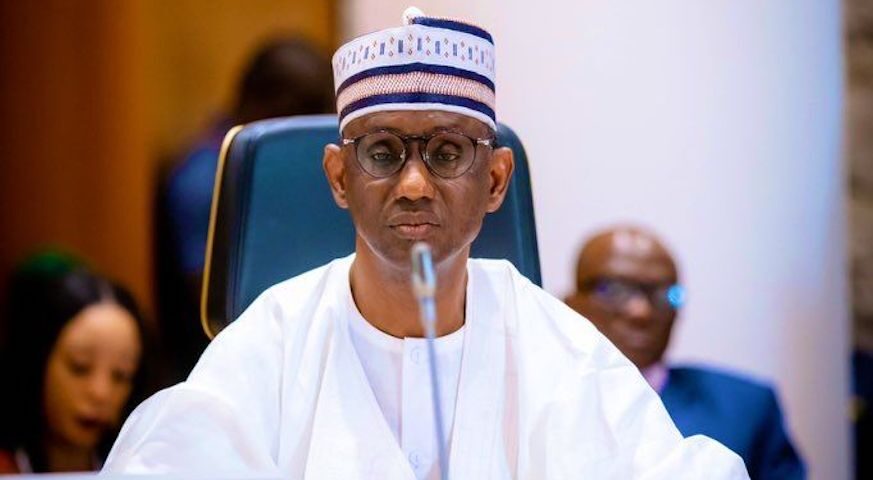
Nearly three years after his appointment in 2023 by President Bola Tinubu, scrutiny is intensifying over the performance of Nuhu Ribadu in coordinating Nigeria’s security architecture, as the country continues to face persistent killings, mass kidnappings, and repeated attacks across multiple regions.
Ribadu, a former Assistant Inspector General of Police and pioneer chairman of the EFCC, was appointed National Security Adviser with a mandate to strengthen intelligence coordination and improve synergy among Nigeria’s security agencies. However, with insecurity still widespread in several parts of the country, critics are now questioning what measurable progress has been achieved under his leadership since 2023.
Nigeria has continued to experience banditry in the North-West, insurgency in the North-East, communal violence in parts of the North-Central, and sporadic criminal attacks in other regions, leaving many communities displaced and thousands of citizens affected. Against this backdrop, public concern has grown over whether existing security coordination mechanisms have delivered meaningful improvements on the ground.
A key point of debate among analysts is whether Ribadu’s background as a senior police officer is sufficient preparation for the breadth of responsibilities required at the Office of the National Security Adviser, which involves overseeing intelligence coordination across military, police, and security agencies. Some security commentators argue that while policing experience provides operational insight, the NSA role requires a broader strategic and multi-service security background.
As one security analyst quoted in media discussions on Nigeria’s security structure noted, modern national security leadership requires “strategic thinking and intelligence coordination rather than purely operational policing experience,” stressing that the role is fundamentally advisory and coordination-based rather than tactical.
Supporters of the current structure, however, argue that Nigeria has historically appointed both military and police officers to the NSA position, and that effectiveness depends more on leadership capacity and inter-agency collaboration than institutional background alone. They maintain that the NSA office is designed to coordinate, not directly command, security operations, which remain the responsibility of the armed forces and police.
Still, concerns persist among citizens and observers who argue that given the scale of insecurity, Nigerians expect clearer indicators of progress, improved intelligence sharing, faster response to threats, and visible reduction in violent incidents.
As debate continues, attention is now focused on whether the Office of the National Security Adviser will publicly outline achievements recorded since 2023 and clarify how its coordination strategies are addressing Nigeria’s evolving security challenges.


-
 Latest5 days ago
Full List: Meet the 2026 Nobel Prize winners across six categories
-
 Football5 days ago
Premier League Matchweek 7: Five Fixtures That Could Shape the Weekend
-
 Latest5 days ago
Umahi defends Lagos-Calabar highway route changes amid public outcry
-

 Business4 days ago
Dangote Refinery IPO: 70% Subscription claim meets fourfold demand assertion as investors seek clarity
-
Business4 days ago
Dangote Refinery IPO Extension: Was the 70% subscription report overhyped?
-

 Latest3 days ago
UCTH faces morgue crisis as 50 unclaimed corpses await mass burial
-
 Featured4 days ago
El-Rufai, ADC governorship candidate’s court appearance puts Kaduna opposition politics in focus
-

 Business2 days ago
BREAKING: Nigeria’s Inflation Rate Drops to 14.63% in September