
NCC
NCC to leverage USPF for education

NIGERIA’S telecoms regulator has spread what it aptly described as the digital dividend to various tiers of the education sector in the country. This, in the main, includes building of ICT centres, installation of ICT equipment, establishment of ICT-related libraries, training of facilitators and teachers in many states across the country, etc. However, the scope of this intervention is soon to rise with the expanding visions of the new leadership at the commission. Like in education where ICT is being taken to a crucial sector, there is a vision to extend the reach of services to those out-of-the-way communities and areas where the network operators are either reluctant, or incapable of investing in.
With that in mind, the Nigerian Communications Commission, (NCC), has expressed commitment to deploying 40 percent of its annual operational levy to drive the activities of the Universal Service Provision Fund (USPF) as recommended by the International Telecommunications Union (ITU) towards delivering sustainable e-learning solutions to schools across the country.
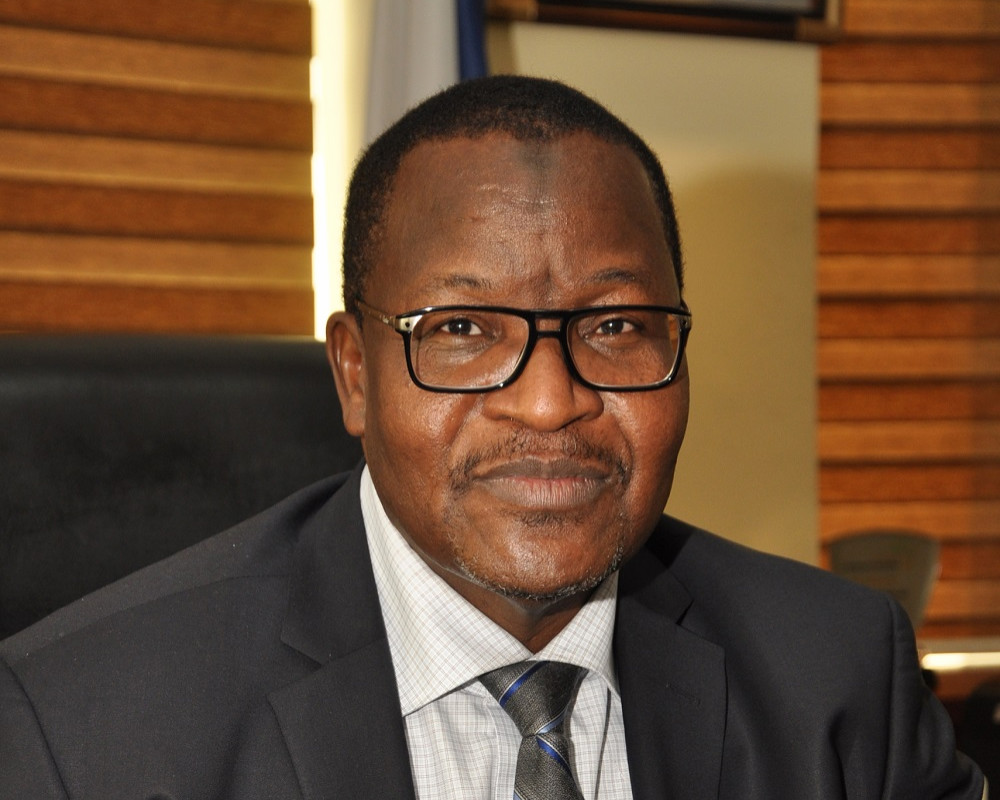
Executive Vice Chairman of the NCC, Prof. Umar Garba Danbatta declared thus during an interactive forum with States’ Desk Officers of the Fund in Abuja. He said the need has become imperative to conform to the basic objectives for the establishment of the Fund. The meeting was convened for Desk Officers to understand the objectives of the project and the responsibilities of the parties involved, in order that maximum impact to the school community especially the students can be felt.
ALSO SEE: NCC set to auction 2.6GHz Spectrum next month
According to Danbatta, the USPF was set up based on the recommendation of the ITU that all countries and regulators like NCC should set aside 40 percent of their annual operation levy to drive the activities of USPF in tertiary, secondary and primary schools and in remote areas, where telecoms operators could not afford to provide service.
The USPF was established by the Federal Government via Chapter VII, Part IV of the Nigerian Communications Act (2003), to facilitate the rapid achievement of national policy goals for universal access to telecommunications, information and communications technology.
Its primary objectives are to: contribute to national economic and social development through enhancing the universal accessibility and availability of telecommunications and ICT infrastructure and services; facilitate the provision of access to ICT services within a reasonable distance to all persons in Nigeria; facilitate provision of infrastructural development to rural and underserved areas in a non-discriminatory manner; Promote technological innovation in ICT services delivery; Promote competition in ICT services delivery; ensure effective utilisation of funds to leverage investments in rural communications; support the establishment of efficient, self-sustaining, market-oriented businesses, which will continue to expand access to ICT on their own, requiring minimum amounts of short and long-term funds; and use ICT to promote greater social equity and inclusion for all the people of Nigeria.
Danbatta said the USPF resource which is derived from NCC should be used to provide telecoms services in the areas where telecoms operators wouldn’t want to venture, adding: “So consciously speaking, the USPF is intended to address the unwillingness of operators to go into rural areas that are underserved or un-served of telecommunications services.
ALSO SEE: NCC remits N35bn to Federation Account in Dec 2015
“As you may know, I came from the academic community and would strive within the limits of equity and available resources to ensure that our projects in the educational sector, such as University Inter Campus Connectivity (UnICC), Territory Institution Access Project (TIKC) and the School Knowledge Centre (SKC) make remarkable impact in the sector.”
According to him, the USPF is there to undertake such projects and it is not only that they should also ensure that these projects are sustained even after take-off in terms of making sure that the funds are provided for maintenance in tandem with the ITU charter and also ensure that from time to time more funds are provided which will facilitate the provision of these projects.
This ambition fits in squarely with the drive to improve the quality of services in the ICT sector. Extending the availability of services to underserved areas means bridging signal transmission gaps and lapses. Achieving the goal through investing in schools by deploying the USPF vehicle is akin to the allegorical killing of two birds with a single stone.
In a remark, the Executive Secretary, USPF, Mr. Ayuba Shuaibu, informed the States’ Desk Officers that the SKC is one of the projects designed between USPF and the states to inculcate 21st century skills a set of abilities that students need to develop in order to succeed in the digital world.
He said: “We also believe that other outcomes, such as increased innovations in schools and increased access of community members to adult education and literacy should be part of our focus. For us to achieve these goals and based on key lessons learnt from previous implementations of the SKC project, we recognise the need for the support and commitment of all stakeholders.”












-
 Latest6 days ago
Israel marks 3 years since October 7 Hamas attack amid Gaza strikes, election debate
-

 Energy6 days ago
Fuel Battle: Dangote, marketers and government clash over petrol imports
-

 Energy7 days ago
Petrol, diesel prices rise 86% in 2026 as costs hit fresh highs
-

 Energy1 week ago
Has Iran lost control of the Strait of Hormuz? Oil flows rebound as war disruptions persist
-

 Football7 days ago
Nigeria’s World Cup exit under spotlight as FIFA’s DR Congo files emerge
-

 Latest7 days ago
US Court set to rule on release of FBI, DEA records on Tinubu
-

 Business7 days ago
Nigerian investors at a crossroads as fixed-income yields slide
-

 Latest14 hours ago
Full List: Meet the 2026 Nobel Prize winners across six categories