
Featured
Tinubu’s Recall Of Ambassadors Sparks Controversy and Concerns

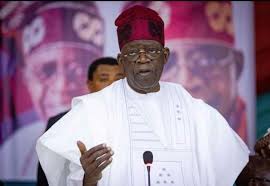
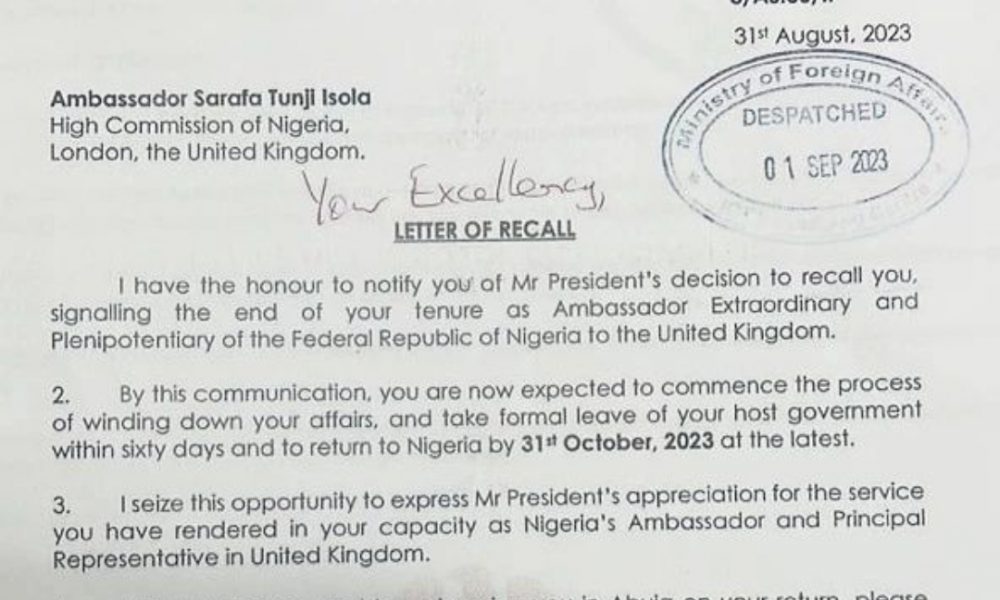
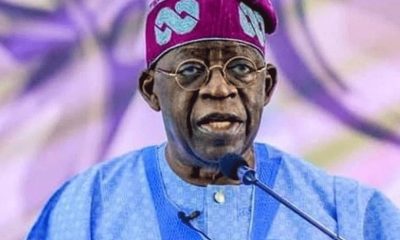
In a surprising move that has left many in the diplomatic community and political circles baffled, President Tinubu has issued a directive recalling all career, non-career ambassadors of Nigeria from their respective foreign postings. The decision, which was made public through a presidential statement released on the 31st of August,2023, has raised significant concerns about the potential implications for Nigeria’s international relations and diplomacy.
This unprecedented recall has sent shockwaves through the foreign service corps, with career diplomats expressing both confusion and dismay at the sudden announcement. The move comes as a stark departure from the established norms of diplomacy and foreign policy, where ambassadorial appointments are typically based on merit, experience, and diplomatic expertise.
Nigeria has 109 diplomatic missions worldwide, comprising 76 embassies, 22 high commissions and 11 consulates.
presidential spokesman Ajuri Ngelale said.That Nigeria’s United Nations permanent representatives in New York and Geneva are exempted from the “total recall” due to the upcoming United Nations General Assembly (UNGA) later in the month, Tinubu’s office said in a statement.
READ ALSO: Tinubu opts for diplomatic negotiations, dialogue on Niger crisis
Career ambassadors play a crucial role in negotiating and implementing bilateral agreements and treaties. Their recall could lead to a halt in ongoing negotiations and put previously reached agreements at risk.
The vacant ambassadorial positions may remain unfilled for an extended period, leaving Nigeria without experienced representatives in key foreign capitals.
While , Some political analysts speculate that the recall of career diplomats may be politically motivated, intended to make way for political appointees loyal to the current administration.
As the international community watches closely, President Tinubu’s decision to recall career ambassadors continues to generate discussions and debates both domestically and abroad. Observers are keen to see how this development will affect Nigeria’s diplomatic efforts, international relations, and foreign policy agenda.
The move has also raised questions about the need for greater transparency and accountability in the appointment and recall of ambassadors. It remains to be seen how the Nigerian government will address these concerns and manage the implications of this decision in the coming weeks and months.
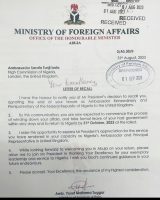
In the meantime, career diplomats and foreign policy experts are left waiting for further clarification from the presidency and hoping for a resolution that preserves Nigeria’s diplomatic interests and relationships on the global stage.










-

 News5 days ago
Widow of late investigative broadcaster Kola Olawuyi dies
-

 Crime5 days ago
Outrage as NYSC doctor allegedly dies after delay in approving sick leave
-

 Latest4 days ago
One killed as ethnic clash erupts in Ibadan following reported overnight stabbing (video)
-
 Latest5 days ago
Lagos arrests 396 beggars in fresh crackdown on street begging (Video)
-
 Energy6 days ago
Gas flaring takes toll on children, residents in Rivers oil-producing communities
-
 Aviation5 days ago
NIS issues updated guidelines for contactless passport renewal for Nigerians abroad
-
 Aviation6 days ago
Could you prove that bag is yours? The precautions that could protect you from a travel nightmare
-

 Latest6 days ago
Jonathan rejects political bribery allegation ahead of 2027 elections