
Crime
Oriire security incident: Makinde raises questions over NSA’s classified actions

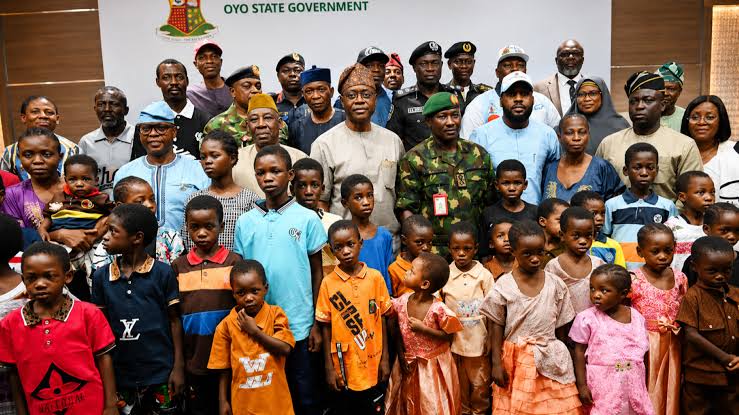
Oyo State Governor, Seyi Makinde, has called on the Office of the National Security Adviser (ONSA) to explain its actions during the controversial Oriire security incident, insisting that Nigerians deserve answers once classified information surrounding the operation is made public.
The governor, who said several critical aspects of the incident remain classified, maintained that the circumstances surrounding the security operation should not be reduced to political arguments, particularly while relevant information remains inaccessible to the public.
Makinde made the remarks during an interview with Arise Television, where he responded to questions about the Oriire incident and the role of security authorities in managing the situation.
His comments have raised fresh questions about the extent of federal security involvement in the incident, the decisions taken by the Office of the National Security Adviser and the circumstances that have prevented the public from accessing a complete account of what happened.
Speaking during the interview, the governor suggested that there were aspects of the incident that required explanations from the national security authorities, particularly regarding certain actions taken during the crisis.
“Some of the Oriire issues, a lot of the information concerning the incident, are still classified. When they are declassified, the Office of the National Security Adviser should explain certain things they did to Nigerians,” Makinde said.
The governor’s statement effectively shifted attention towards the national security establishment, indicating that the ONSA may have information about decisions and operational activities surrounding the incident that Nigerians have yet to understand.
Although Makinde did not identify the specific actions he wants explained, his insistence that the NSA should account for them after declassification suggests that important questions about the handling of the incident remain unresolved.
Classified Information Raises Questions Over Accountability
READ ALSO; Oriire abduction: DSS clears carpenter of Ansaru link, orders release, N3m compensation
At the centre of Makinde’s intervention is the issue of transparency in security operations and the extent to which government agencies should be held accountable for decisions taken during sensitive national security engagements.
While security agencies routinely classify information to protect intelligence sources, operational methods and ongoing investigations, the classification of information also limits the ability of citizens to independently scrutinise government actions.
Makinde’s position appears to recognise the need to balance national security considerations with public accountability.
By insisting that the ONSA should explain its actions when the relevant information is declassified, the governor has placed responsibility for providing a fuller account of the incident on the federal security establishment.
However, he did not indicate when the classified information might become available or whether the ONSA had communicated any timeline for releasing details of its involvement.
The governor also did not disclose whether his administration had formally requested clarification from the national security office or received any briefing on the specific operational decisions he referenced.
These unanswered questions leave the public with limited information about the nature of the disagreements or concerns surrounding the incident.
Makinde Rejects Political Interpretation of Security Matters
Beyond demanding explanations, the Oyo governor was particularly emphatic that he would not allow the incident to become a political controversy.
He argued that security matters should be treated with the seriousness they deserve, rather than being exploited for partisan advantage.
“That is why I will not politicise the security issues,” he stated.
His position suggests an attempt to separate the security implications of the Oriire incident from the political disagreements that could emerge between state and federal authorities over responsibility for its handling.
Security cooperation in Nigeria involves several layers of government and institutions, including state governments, the military, police, intelligence agencies and the Office of the National Security Adviser.
Where an incident involves multiple agencies, questions surrounding operational authority, coordination, communication and accountability can become complicated, particularly when information is classified.
Makinde’s comments therefore raise a broader governance question: how can Nigerians obtain explanations about controversial security operations without compromising legitimate national security interests?
ONSA Yet to Provide Public Explanation
As of the time of this report, no detailed response from the Office of the National Security Adviser addressing Makinde’s comments or the specific actions he wants explained was included in the information available.
READ ALSO; Oyo APC berates Makinde over call for UN probe into Oriire school rescue
The governor also did not provide further operational details that could independently establish the sequence of events surrounding the Oriire incident.
Consequently, the specific decisions, individuals or security agencies involved in the actions he referenced remain unclear.
What is clear, however, is that Makinde believes the incident requires a fuller explanation from the federal security establishment once the restrictions surrounding the information are lifted.
His intervention has consequently brought the issue of classified security operations and public accountability into focus, with attention now turning to whether the ONSA will eventually provide Nigerians with a comprehensive explanation of its role in the Oriire incident.
The critical questions remain: What exactly happened during the Oriire security incident? What actions did the ONSA take that the governor believes require explanation? Why does the relevant information remain classified, and when will Nigerians be allowed to know the full circumstances?
Until the information is declassified and the relevant authorities provide their accounts, these questions remain unanswered.


-

 Features1 week ago
How ADC leadership crisis put Atiku’s 2027 ambition at risk
-
 Energy1 week ago
NNPC plans 5–10% stock market listing, targets 2027 for IPO preparations
-

 Business1 week ago
LoveWorld Expo 2026 to showcase global innovations, emerging technologies in Lagos
-
 Business4 days ago
DisCos urge Minister to end blame game, apologise to Nigerians over blackouts
-
 Latest1 week ago
2027: No Court rulings can keep me off the ballot, Atiku insists
-
 Latest1 week ago
2027: Wike declares Obi’s political wave dead, dismisses chances of presidential victory
-

 Health5 days ago
Study links Pfizer COVID-19 vaccine to higher death rates than Moderna shot
-

 Latest1 week ago
How internal party disputes could shape the 2027 elections