
Featured
Inside INEC’s race to prepare for Nigeria’s 2027 elections

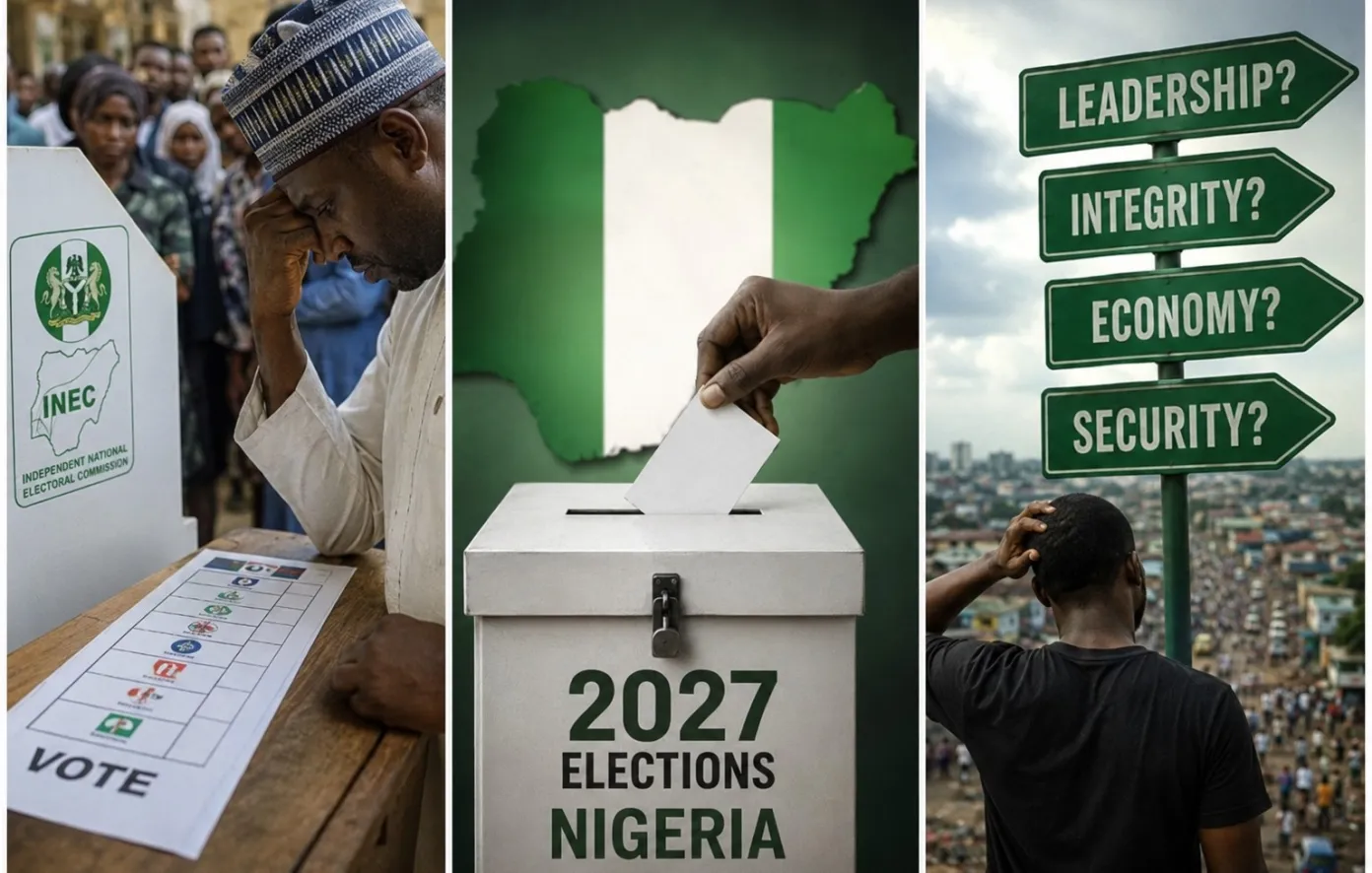
From transport unions and security agencies to warehouses, airports and river routes, INEC’s new logistics committee faces a critical task: ensuring election materials reach polling units on time, even in remote and high-risk areas.
The Independent National Electoral Commission (INEC) has stepped up preparations for Nigeria’s 2027 general elections by establishing a multi-agency Electoral Logistics Committee to coordinate the safe and timely movement of election materials and personnel across the country.
Inaugurated in Abuja on October 15, 2026, the committee brings together transport organisations, security agencies and government institutions to address logistical challenges that could delay voting, particularly in difficult terrain and areas affected by insecurity.
INEC Chairman Joash Amupitan said election materials must reach polling units at the appointed time, warning that logistical failures could prevent eligible voters from exercising their democratic rights.
The committee is expected to assess transport capacity, review storage facilities, identify operational gaps and develop plans for distributing, deploying and retrieving sensitive and non-sensitive electoral materials.
Its work will cover road, air and maritime transport, reflecting the scale of the task in a country with remote communities, riverine settlements, extensive road networks and areas affected by security threats.
The people and systems behind election-day delivery
The logistics operation will depend on cooperation between INEC’s state and local government offices, transport operators, security agencies and institutions responsible for handling sensitive materials.

Transport unions and operators
Organisations including the Nigerian Union of Road Transport Workers (NURTW), the Road Transport Employers Association of Nigeria and maritime workers are expected to support the movement of personnel and materials. Road transport will be essential for reaching urban and rural polling locations, while boats may be needed in riverine communities.

Institutions handling sensitive materials
INEC’s plan includes coordination over the storage and distribution of sensitive election materials. The Central Bank of Nigeria is expected to play a role in receiving, storing and distributing such materials through its branch network. Secure custody and documented handovers will be important at every stage.

Security agencies
Police, military and paramilitary representatives are part of the coordination effort. Their role in the logistics plan includes helping address security risks that could threaten the movement of materials or the safety of election personnel, particularly in high-risk locations.

The major challenges
Transport delays: Traffic, vehicle breakdowns, poor roads and coordination failures can prevent materials from reaching polling units on schedule. INEC has said it wants officials and materials to arrive by about 7:30 a.m., ahead of the scheduled start of voting.
Difficult terrain: Riverine settlements, remote communities and areas with limited road access require transport plans tailored to local conditions. A route that works in a major city may not be suitable for a community accessible only by boat.
Security threats: Insecurity can restrict movement, expose election workers to danger and force changes to planned routes. The committee is expected to map vulnerable locations and coordinate appropriate transport and security arrangements.
Storage and distribution: Materials must be received, accounted for, stored securely and transferred between agencies without confusion or avoidable delays. Each handover needs clear responsibility and traceable records.
Weather and unforeseen disruptions: Heavy rain, flooding and other unexpected events can make roads impassable or disrupt air and water transport. Contingency routes and backup arrangements will be crucial.
These are risks the committee is being tasked to address; they should not be taken as evidence that election materials have already been delayed in any particular location.
Can digital tracking make a difference?
INEC has said it is introducing digital platforms to track when election materials leave their origin, who is responsible for them and when they arrive at their destinations. The commission has also discussed using Registration Area Centres to move personnel and materials closer to polling units ahead of election day.
Tracking could help managers identify delays sooner and determine where corrective action is needed. However, technology alone cannot overcome every physical or security challenge. Its effectiveness will depend on accurate reporting, reliable communication, clear accountability and the ability to respond when a delivery is late.
What is at stake for voters?
When election materials arrive late, polling may be delayed and voters may face uncertainty about when they can cast their ballots. Extended waits can be particularly difficult for older people, people with disabilities, workers and voters who have limited time or must travel long distances.
INEC’s responsibility is therefore not simply to move boxes from one location to another. It is to ensure that polling units are equipped and ready so eligible voters have a fair opportunity to participate.
The commission has said the logistics committee will identify gaps, assess transport and storage readiness, and develop operational timelines before the elections. Its success will ultimately be measured by whether those plans work in practice across the country.
The bottom line: Nigeria’s 2027 election logistics challenge will be decided not only in INEC’s headquarters, but on roads, waterways, at warehouses and in communities where materials must arrive securely and on time. Early planning is an important step; delivery on election day is the real test.
Fact-check note: INEC’s logistics committee and its broad responsibilities are confirmed by recent reporting. The specific challenges discussed above are operational risks, not claims that every one has occurred. The election dates currently listed on INEC’s website are January 16, 2027, for the presidential and National Assembly elections, and February 6, 2027, for governorship and state assembly elections.


-

 Latest5 days ago
Full List: Meet the 2026 Nobel Prize winners across six categories
-

 Football5 days ago
Premier League Matchweek 7: Five Fixtures That Could Shape the Weekend
-

 Latest4 days ago
Umahi defends Lagos-Calabar highway route changes amid public outcry
-

 Business3 days ago
Dangote Refinery IPO: 70% Subscription claim meets fourfold demand assertion as investors seek clarity
-
Business4 days ago
Dangote Refinery IPO Extension: Was the 70% subscription report overhyped?
-

 Latest2 days ago
UCTH faces morgue crisis as 50 unclaimed corpses await mass burial
-
 Featured4 days ago
El-Rufai, ADC governorship candidate’s court appearance puts Kaduna opposition politics in focus
-
 Business2 days ago
BREAKING: Nigeria’s Inflation Rate Drops to 14.63% in September