
Business
U.S., China temporarily slash tariffs in bid to ease trade tensions

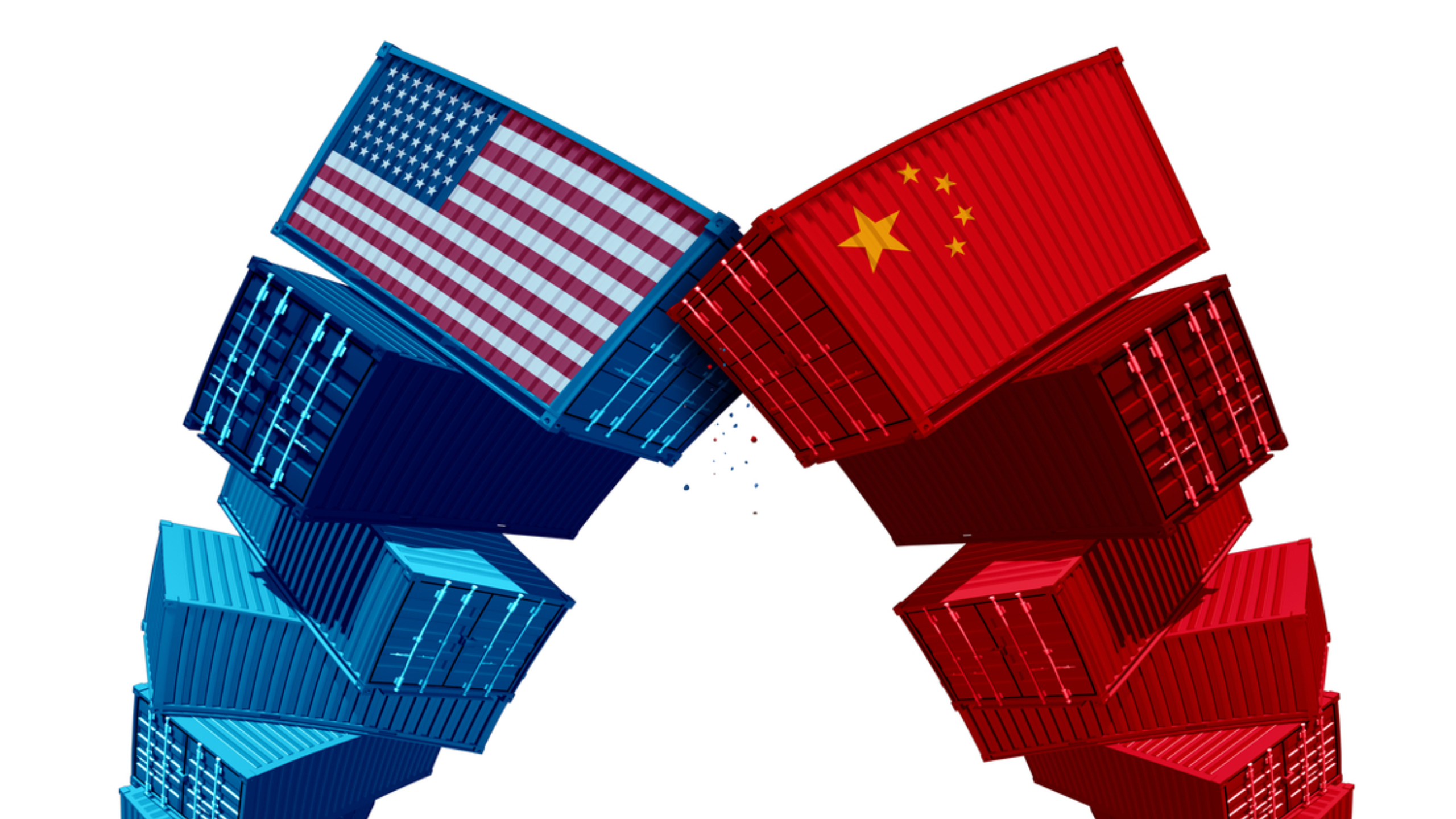
In a surprising but welcome development, the United States and China have agreed to temporarily reduce tariffs on a range of goods in a move aimed at de-escalating long-standing trade tensions between the world’s two largest economies.
Officials from both countries confirmed the agreement late Monday following a series of behind-the-scenes negotiations. The deal, which takes effect immediately, will see tariff reductions on industrial equipment, electronics, agricultural products, and textiles—sectors that have been heavily impacted by the years-long trade war.
“The temporary reduction of tariffs is a positive step toward rebuilding mutual trust,” said U.S. Trade Representative Katherine Tai in a press briefing. “While we remain committed to protecting American interests, dialogue and cooperation are essential in navigating this complex relationship.”
Chinese Commerce Ministry spokesperson, Gao Feng, echoed similar sentiments, stating that “the easing of tariffs demonstrates a willingness to stabilize trade relations and benefit both economies, as well as the global supply chain.”
Tariffs have been a major source of tension between the two nations since 2018, when the U.S. imposed sweeping duties on Chinese imports, triggering a series of retaliatory measures from Beijing. The conflict has cost both economies billions of dollars and contributed to global market volatility.
ALSO READ: Trump’s Trade Gambit: Surprise tariff comments jolt U.S.-China talks ahead of Geneva summit
Under the new arrangement, the tariff cuts are expected to remain in place for a period of 90 days while both sides assess progress in trade discussions. Analysts say the development could serve as a stepping stone toward a more comprehensive trade agreement.
Markets responded positively to the announcement, with the Dow Jones Industrial Average and China’s Shanghai Composite Index both seeing notable gains in early trading.
Business leaders and trade experts are cautiously optimistic, viewing the temporary reprieve as a potential turning point in what has been a deeply fractured economic relationship.
“This is not a permanent fix, but it signals a return to diplomacy,” said Dr. Lisa Cheng, a trade policy expert at the Peterson Institute for International Economics. “Both sides now have an opportunity to build on this momentum.”
However, some critics warn that unless structural issues such as intellectual property rights, technology transfers, and trade imbalances are addressed, the agreement may offer only short-term relief.
The two governments have agreed to reconvene in late July to evaluate the impact of the tariff reductions and determine the next phase of negotiations.


-

 Business7 days ago
Abuja gears up for Jetour T2’s rugged-luxury experience
-

 News5 days ago
UK, Canada pledge closer cooperation on trade, defence and AI
-

 Business1 week ago
Dangote IPO rush crashes Bamboo login as investors flood platform
-

 Business6 days ago
Tinubu’s economic reforms face public confidence test as cost-of-living crisis persists
-

 Business6 days ago
Dangote: Petrol price gap fuels smuggling as Nigeria faces fresh pump price surge
-

 Business4 days ago
Dangote Refinery IPO: Can small investors really make money from the shares?
-

 Comments and Issues5 days ago
Wavy fuel prices and deepening cost-of-living crises in Nigeria
-

 Latest6 days ago
Court sets 7-day window for Atiku to serve Tinubu in 2027 suit