
Business
Food prices now biggest threat to inflation, beyond CBN’s reach – Analysts

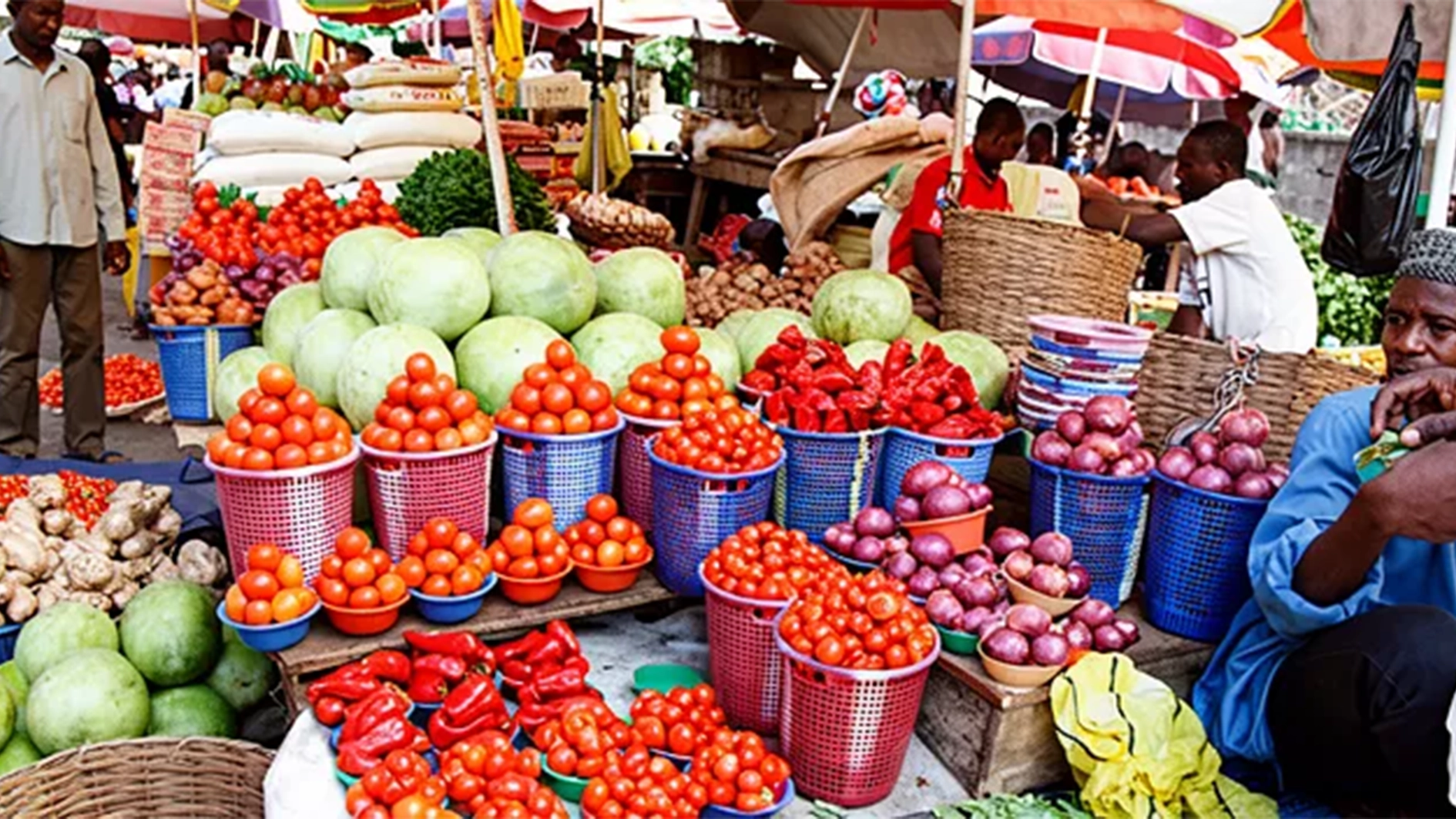
Analysts at Zrosk Equity Research have warned that Nigeria’s inflation is increasingly being driven by rising food prices that monetary policy alone cannot contain, urging policymakers to focus on boosting agricultural production and improving food supply chains.
The research firm made the observation in its analysis of the June 2026 Consumer Price Index (CPI) released by the National Bureau of Statistics (NBS), noting that although headline inflation eased slightly, a sharp increase in farm produce prices has emerged as the dominant source of inflationary pressure.
According to the NBS, Nigeria’s headline inflation rate edged down marginally to 15.91 per cent year-on-year in June from 15.93 per cent in May. On a month-on-month basis, inflation also slowed to 1.66 per cent from 1.75 per cent recorded in the previous month.
However, food inflation moved in the opposite direction, with the monthly food inflation rate accelerating to 3.75 per cent in June from 2.98 per cent in May.
READ ALSO: CBN targets $12bn annual Diaspora inflows to boost FX liquidity
Zrosk Equity Research said the moderation in headline inflation concealed a significant surge in agricultural prices, particularly farm produce, which recorded a 4.42 per cent month-on-month increase in June after slowing to 0.86 per cent in May.
The analysts argued that the latest inflation figures should not be interpreted as a clear sign that inflationary pressures are easing.
“June’s deceleration to 1.66 per cent month-on-month is not the disinflation signal it appears. Core inflation cooling is genuine, but farm produce inflation has opened an independent inflation channel that the Central Bank of Nigeria has no monetary tool to address. The inflation risk has shifted from services to food,” the report stated.
According to the analysts, the spike reflects an agricultural supply shock that conventional monetary policy and traditional inflation models are unable to predict or resolve.
They explained that farm produce accounts for about 95 per cent of Nigeria’s food basket and 26.61 per cent of the overall Consumer Price Index basket, making it the country’s single largest contributor to consumer price movements.
As a result, farm produce alone contributed 1.18 percentage points to June’s 1.66 per cent monthly headline inflation, representing about 71 per cent of the total inflation recorded during the month.
The analysts noted that this was a sharp jump from May, when farm produce accounted for only 13 per cent of monthly inflation.
They added that the contribution was comparable to inflationary pressures experienced during the Strait of Hormuz crisis, although the current surge is being driven entirely by domestic agricultural supply conditions rather than external energy shocks.
READ ALSO: Nigeria’s inflation declines again, but household expenses remain stubbornly high
The report said the changing composition of inflation presents a fresh challenge for policymakers because current price pressures are no longer being driven primarily by energy costs or excess consumer demand.
It warned that if food inflation remains elevated in July, monthly headline inflation could remain above 1.5 per cent even if exchange rate stability is maintained and energy prices ease.
According to Zrosk Equity Research, while tighter monetary policy may continue to moderate demand-driven inflation, reducing food inflation will require structural reforms aimed at increasing agricultural output, strengthening food supply chains and improving market distribution systems instead of relying solely on higher interest rates.
Echoing concerns over persistent inflation, Standard Chartered Plc, in its latest economic outlook, projected that the Central Bank of Nigeria would cut interest rates by only 150 basis points in 2026.
The bank expects the Monetary Policy Rate (MPR) to end 2026 at 25 per cent and revised its average inflation forecast upward to 15.5 per cent from an earlier estimate of 12 per cent.
According to Standard Chartered, stubborn inflationary pressures have significantly narrowed the CBN’s room for aggressive monetary easing, prompting it to scale back expectations for interest rate reductions next year.
The latest analysis highlights the increasing importance of food prices in shaping Nigeria’s inflation outlook.
While recent improvements in exchange rate stability and moderating core inflation have helped slow headline inflation, analysts believe sustained progress will depend largely on addressing structural challenges affecting agricultural production, transportation, storage and food distribution rather than monetary policy measures alone.


-
 Latest6 days ago
Israel marks 3 years since October 7 Hamas attack amid Gaza strikes, election debate
-

 Energy6 days ago
Fuel Battle: Dangote, marketers and government clash over petrol imports
-

 Energy7 days ago
Petrol, diesel prices rise 86% in 2026 as costs hit fresh highs
-

 Football7 days ago
Nigeria’s World Cup exit under spotlight as FIFA’s DR Congo files emerge
-

 Energy1 week ago
Has Iran lost control of the Strait of Hormuz? Oil flows rebound as war disruptions persist
-

 Latest7 days ago
US Court set to rule on release of FBI, DEA records on Tinubu
-

 Latest16 hours ago
Full List: Meet the 2026 Nobel Prize winners across six categories
-

 Business7 days ago
Nigerian investors at a crossroads as fixed-income yields slide