
Featured
Tinubu’s Reforms: Nigeria’s poverty crisis deepens, as millions struggle to survive

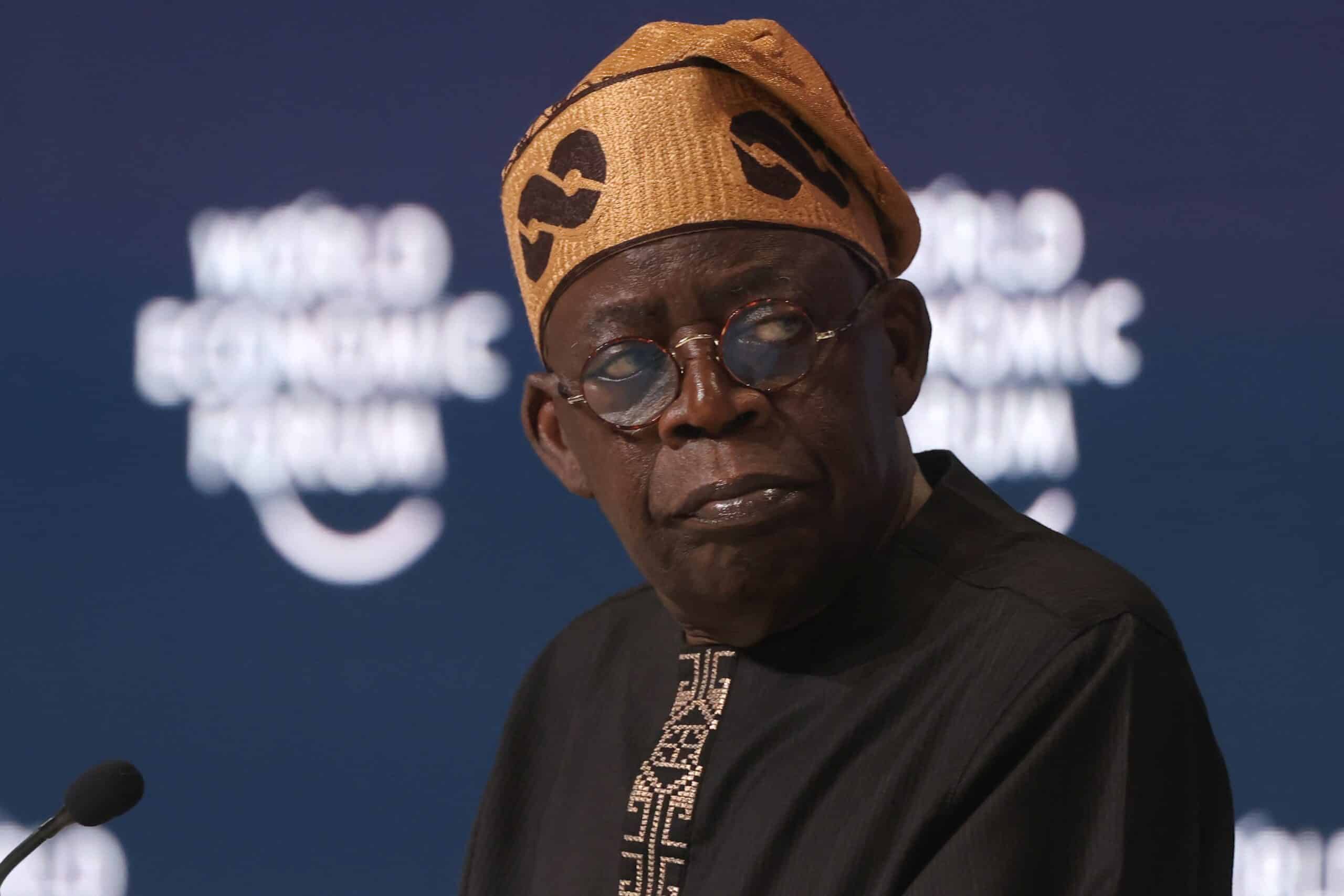
Nigeria’s poverty crisis has deepened amid President Bola Tinubu’s economic reforms, with World Bank estimates showing a rise in monetary poverty from 40.1 per cent in 2019 to an estimated 63 per cent in 2026. Although the government points to improving economic indicators, the challenge remains turning those gains into food security, better incomes and relief for struggling households.
Nigeria’s economic reforms were presented as necessary steps to stabilise public finances, improve foreign exchange management and restore investor confidence. But for millions of households struggling to afford food, transport, housing and healthcare, the more immediate question is whether the changes are improving their lives.
Under President Bola Tinubu, who took office in May 2023, the removal of the petrol subsidy and changes to the foreign exchange regime have reshaped the economy. The reforms have improved some macroeconomic indicators, but their social costs have remained a central concern as poverty continues to affect a large share of the population.
The World Bank’s October 2026 Poverty and Equity Brief estimates that the proportion of Nigerians living below the national poverty line increased from 40.1 per cent in 2019 to 56.2 per cent in 2023 and an estimated 63 per cent in 2026. The report also identifies worsening access to basic infrastructure and essential services as part of the country’s broader multidimensional poverty challenge.
These figures place the administration’s poverty-reduction commitments under scrutiny. While economic stabilisation matters, its value to ordinary Nigerians is limited if household incomes cannot keep pace with the cost of basic necessities.
Reforms without sufficient relief
Tinubu’s government has defended its economic programme as a response to structural weaknesses inherited from previous administrations. Ending the petrol subsidy and reforming the foreign exchange market were intended to reduce fiscal pressures and correct distortions in the economy.
The World Bank has acknowledged progress in stabilising Nigeria’s economy, including stronger external and fiscal positions, easing inflation and resilient economic growth. However, its April 2026 Nigeria Development Update also warned that household incomes had yet to recover fully and poverty remained high.
That gap between improving economic indicators and household welfare is central to assessing the administration’s record.
For poorer households, the effects of higher transport and food costs can be severe because a large proportion of their income goes towards meeting immediate needs. In its October 2025 Nigeria Development Update, the World Bank reported that poorer households, which may spend up to 70 per cent of their income on food, had experienced a fivefold increase in the cost of a basic food basket between 2019 and 2024. It said the gains from economic reforms had yet to translate significantly into better living standards.
The government’s challenge, therefore, is not simply to show that inflation is easing or that foreign reserves are improving. It must demonstrate that these developments are translating into more affordable food, better-paying jobs, reliable public services and increased purchasing power.
A worsening poverty picture
The rise in the World Bank’s monetary poverty estimates is a warning that economic growth and poverty reduction are not automatically linked.
The bank’s October 2025 assessment estimated that 139 million Nigerians were living in poverty in 2025. It also noted that about three-quarters of the increase in the number of people living in poverty since 2019 had occurred before 2023. This is an important qualification: the poverty crisis predates Tinubu’s presidency, but the continued deterioration during his tenure raises questions about the effectiveness and speed of the administration’s response.
The distinction matters. It would be inaccurate to attribute the entire increase in poverty since 2019 to Tinubu, just as it would be insufficient to judge his administration solely by blaming previous governments.
The more relevant test is whether the policies introduced since May 2023 have begun to reverse the trend, protect vulnerable households and create the conditions for sustained improvements in living standards.
The World Bank’s latest poverty brief estimates that national monetary poverty reached 63 per cent in 2026. Although this is an estimate rather than a newly completed household survey for the entire year, it indicates that the scale of the problem remains substantial.
Why the figures from previous administrations need caution
Comparisons between presidents can be politically attractive, but poverty statistics must be handled carefully. Different surveys use different poverty lines, methodologies, reference periods and definitions of deprivation.
The National Bureau of Statistics’ 2018/19 poverty report estimated that 40.1 per cent of Nigerians—more than 82.9 million people—were living below the national poverty line. The estimate excluded Borno State because the survey could not cover it.
The NBS’s 2022 Multidimensional Poverty Index, meanwhile, found that 62.9 per cent of Nigerians, or approximately 133 million people, were multidimensionally poor. That measure covers overlapping disadvantages in areas such as health, education, living standards and access to basic services; it is not the same as monetary poverty.
Consequently, the 133 million figure cannot be presented as the number of Nigerians pushed into poverty by Tinubu. The index was based on data collected between November 2021 and February 2022, before he became president.
Similarly, a supplied table claiming that the number of Nigerians in monetary poverty rose from 88 million in 2023 to 134 million under Tinubu could not be verified as a directly comparable official series. Without the original datasets, methodology and reference dates, those exact figures should not be published as established facts.
The available evidence nevertheless supports a critical question: why has poverty remained so widespread, and what concrete improvements can Nigerians expect from the economic programme?
The administration’s next test
Tinubu’s government can point to improvements in macroeconomic stability, but the World Bank has repeatedly emphasised that stability alone is insufficient. Its October 2026 outlook said poverty had stabilised after rising continuously since 2019, while stressing that rates remained high and that raising real incomes through better jobs and lower inflation was essential.
That assessment offers a measure of progress, but it is not evidence that the poverty crisis has been resolved. Stabilisation means the deterioration may have slowed; it does not necessarily mean that millions of Nigerians have escaped poverty or regained the purchasing power lost during years of rising prices.
The administration’s performance should therefore be measured against outcomes that households can feel: sustained reductions in food inflation, growth in real wages, productive employment, accessible healthcare, improved education and effective social protection.
Cash transfers and other relief programmes may help vulnerable families, but their impact depends on whether assistance reaches eligible people consistently and is adequate relative to their needs. Longer-term progress also requires stronger productivity, investment, infrastructure and opportunities for small businesses to expand and create jobs.
The federal government must also work with state governments, which play a significant role in delivering services and infrastructure. National economic gains will mean little to families whose local schools, healthcare facilities, roads and livelihood opportunities remain inadequate.
Beyond economic indicators
Nigeria’s poverty crisis did not begin with Tinubu, and no single administration can reasonably be held responsible for every structural problem confronting the country. But a government must ultimately be judged by what it does with the authority and resources available to it.
For Tinubu, the central challenge is to show that reforms designed to stabilise the economy can also improve the material conditions of the people expected to bear their immediate costs.
The latest World Bank estimates provide a sobering measure of that challenge. With monetary poverty estimated at 63 per cent in 2026, the administration faces a pressing need to make poverty reduction more visible in household incomes, food affordability and access to essential services.
The question is no longer only whether Nigeria’s economic indicators are improving. It is whether those improvements are reaching the millions of people for whom the cost of surviving remains the most immediate measure of the economy.
Until progress is reflected in their daily lives, the government’s reform narrative will remain incomplete.


-

 Featured3 days ago
BREAKING NEWS: Shouts of joy rock the world as Pastor Chris opens final Healing Streams edition for 2026
-

 Football4 days ago
Man United shortlist Emery, Nagelsmann as potential replacements for Carrick
-

 Business4 days ago
Hoodlums raid JED Benue office, abduct 10 staff over power dispute
-

 Football4 days ago
Aston Villa ready to freeze out Garnacho to avoid £43m Chelsea transfer
-
 Business1 week ago
Naira faces exchange rate gap as Dollar hits N1,380 on parallel market
-
 Latest4 days ago
Akpabio tasks Tompolo-backed movement with spreading Tinubu’s renewed hope message
-

 Business4 days ago
EV adoption: Roxettes seeks cheaper financing, local manufacturing incentives
-

 Business3 days ago
How Ethiopian Airlines is challenging Africa’s aviation narrative through self-reliance