
Health
LAUTECH doctors suspend 50-day strike as welfare dispute highlights patient care concerns

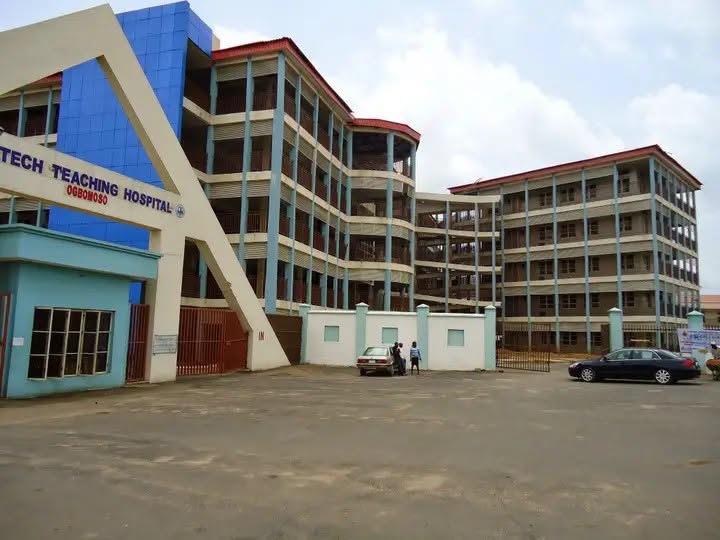
Resident doctors at LAUTECH Teaching Hospital, Ogbomoso, have suspended their 50-day strike for eight weeks following intervention by Oyo State Governor Seyi Makinde. The dispute over unpaid entitlements, residency funding, staff shortages and working conditions has highlighted the link between healthcare workers’ welfare and patients’ access to medical services.
Resident doctors at the Ladoke Akintola University of Technology (LAUTECH) Teaching Hospital in Ogbomoso, Oyo State, have suspended their 50-day industrial action following government commitments to address outstanding welfare demands.
The Association of Resident Doctors (ARD) announced the suspension on October 16, 2026, after discussions involving Makinde, hospital management and other stakeholders. The association said the strike would be suspended for an initial eight weeks, with doctors directed to resume full clinical duties on Saturday, October 17.
The dispute centred on outstanding wage arrears, professional allowances, medical residency funding, staffing shortages and inadequate facilities for doctors working on call. Although the demands concern workers’ remuneration and conditions of service, they also raise questions about the hospital’s capacity to maintain consistent healthcare delivery when its medical workforce is under pressure.
According to reports, the doctors’ demands include payment of outstanding 2025 minimum-wage arrears, implementation of the revised Professional Allowance Table and progress on the Medical Residency Training Act. The association also welcomed commitments to address the issues within agreed timelines.
The dispute had escalated after an earlier warning strike was suspended in June to give the authorities eight weeks to address the outstanding concerns. The doctors resumed industrial action on August 28 after the ultimatum expired.
For patients, a prolonged dispute involving resident doctors can mean uncertainty over access to consultations, specialist assessments, investigations and treatment. The precise effects depend on the departments involved, the availability of consultants and other healthcare professionals, and the hospital’s arrangements for maintaining essential services.
At LAUTECH Teaching Hospital, the doctors have raised concerns about staff shortages and increasing workloads. In September, the association said the loss of medical personnel, including doctors who had left or completed their residency training without being replaced, had affected staffing in specialties such as anaesthesia, chemical pathology and haematology.
Shortages in specialised departments can place additional pressure on the remaining staff and make it more difficult to maintain adequate coverage across clinical services. However, the extent to which individual patients experienced delayed procedures, postponed appointments or other disruptions during the strike has not been quantified in the reports reviewed.
ALSO READ: LAUTECH resident doctors suspend 50-day strike for eight weeks
The association has argued that addressing doctors’ welfare is also necessary to protect patients and improve healthcare delivery. Its demands include better remuneration, adequate staffing and improved working conditions.
Medical residency training is another central issue in the dispute. Resident doctors combine clinical responsibilities with postgraduate medical training under the relevant programmes and supervision arrangements.
The Medical Residency Training Fund and professional allowances form part of the financial issues raised by the doctors. The association has also sought progress on the Medical Residency Training Act, which it says is necessary to address concerns affecting residency training.
Delays in funding, difficulties retaining medical personnel and inadequate working conditions can threaten the sustainability of specialist training programmes. If experienced staff leave and vacancies remain unfilled, the pressure on those who stay may increase.
The doctors have therefore called for measures that would make the hospital better able to retain existing personnel and attract additional medical professionals.
The condition of doctors’ call rooms and on-call facilities has also featured in the dispute.
These facilities support doctors who must remain available for overnight duties and emergencies. The association has called for their renovation and improvement, alongside measures to regulate working hours and reduce fatigue.
The concerns go beyond workplace comfort. Doctors working long or demanding shifts need suitable rest facilities to support their ability to perform clinical duties. Nevertheless, the extent to which the condition of the hospital’s facilities has affected clinical outcomes has not been independently established in the available reports.
Following the intervention, Makinde reportedly assured health workers that outstanding entitlements would be addressed. The commitments include payment of minimum-wage arrears by mid-November 2026, development of arrangements for implementing the revised professional allowance table within six weeks, and progress on the Medical Residency Training Act within specified timelines.
The eight-week suspension gives the government and hospital management an opportunity to implement the commitments and prevent another disruption. However, the suspension should not be mistaken for a final resolution of every issue raised by the doctors.
For patients, the immediate priority is the restoration of regular clinical services and reliable access to treatment. For healthcare workers, the key test will be whether the promised payments, staffing improvements and training-related measures materialise.
The dispute demonstrates how unresolved employment and welfare issues can extend beyond negotiations between a government and its workforce. At a teaching hospital, the ability to recruit, retain and support medical professionals is closely connected to the institution’s capacity to provide specialist care.
Whether the current agreement produces a lasting resolution will depend on implementation, continued engagement and the ability of all parties to address the outstanding demands within the agreed period.


-

 Latest4 days ago
Full List: Meet the 2026 Nobel Prize winners across six categories
-

 Football4 days ago
Premier League Matchweek 7: Five Fixtures That Could Shape the Weekend
-

 Latest3 days ago
Umahi defends Lagos-Calabar highway route changes amid public outcry
-

 Business3 days ago
Dangote Refinery IPO Extension: Was the 70% subscription report overhyped?
-
Business2 days ago
Dangote Refinery IPO: 70% Subscription claim meets fourfold demand assertion as investors seek clarity
-

 Featured3 days ago
El-Rufai, ADC governorship candidate’s court appearance puts Kaduna opposition politics in focus
-

 Latest1 day ago
UCTH faces morgue crisis as 50 unclaimed corpses await mass burial
-

 Latest4 days ago
Makinde’s Chief of Staff, Segun Ogunwuyi, resigns