
Business
Apple hit with $570m tax payout in France

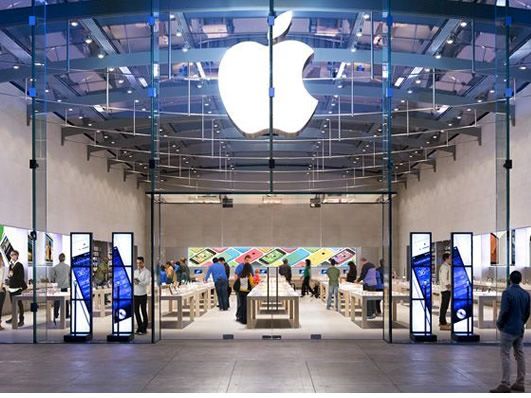
Apple on Tuesday said it had reached an agreement with French authorities to settle 10 years of back taxes, becoming the latest US company to make a deal with France, which has led a European push for higher taxes on tech giants.
Apple paid nearly 500 million euros ($570 million) to resolve the case in a confidential settlement reached in December, a source familiar with the case told AFP, confirming a report in French news weekly L’Express.
“The French tax administration recently concluded a multiyear audit on the company’s French accounts and an adjustment will be published in our public accounts,” Apple said in a statement.
French authorities declined to comment further, citing the confidentiality of tax matters.
Apple is one of several American technology giants in the line of fire in Europe over their tax strategies, which see them route their income through low-tax nations such as Ireland or Luxembourg.
In 2016, it was ordered by the European Commission to pay 13 billion euros in back taxes to Ireland.
The European Commission said Apple paid an effective corporate tax rate of just 0.005 per cent on its European profits in 2014 — equivalent to just 50 euros for every million.
The deal in France comes as the government prepares to push ahead with its own unilateral “GAFA tax” — an acronym of Google, Apple, Facebook and Amazon — faced with the failure of EU members to agree on how to get technology companies to pay more tax on their European operations.
READ ALSO: CUPP alleges plan to force Onnoghen to resign ‘at gun point’
The levy, to be put to parliament in a bill this month, would affect companies with global sales of more than 750 million euros and 25 million euros in France.
It would be retroactive to January 1 and is expected to raise 500 million euros this year.
French Finance Minister Bruno Le Maire has called the question of how and where global companies pay their taxes “a major issue in the 21st century”.
But an agreement among EU members has proved elusive.
Ireland, Denmark and Sweden have all blocked plans for a levy for fear of dissuading investment, and Germany has proved lukewarm on the issue, fearing US retaliation against its car industry.
The issue has been referred to the Organisation for Economic Cooperation and Development, which aims to come up with an international agreement by 2020.


-

 Business5 days ago
CBN reduces MPR by 350bps to 23% in major monetary policy shift
-

 Business7 days ago
Jetour takes T1 adventure SUV experience to Abuja, targets growing Nigerian market
-

 Football4 days ago
Saka: England still carry World Cup scar
-

 Comments and Issues5 days ago
Sometimes, goodwill finds us through the people we love
-

 Football7 days ago
Nigeria vs Colombia: Falconets battle for U-20 World Cup semi-final ticket
-

 Football1 week ago
Breaking:Brighton shocks Arsenal 3-0 as Gunners’ perfect start comes crashing down
-

 Latest2 days ago
Arsenal eye €70-80m move for Real Madrid star
-
 Comments and Issues7 days ago
Peter Obi and the Pensioners’ Testimony