
Crime
From recruitment scam to sexual exploitation: Nigerian girls’ ordeal in Mali [VIDEO]

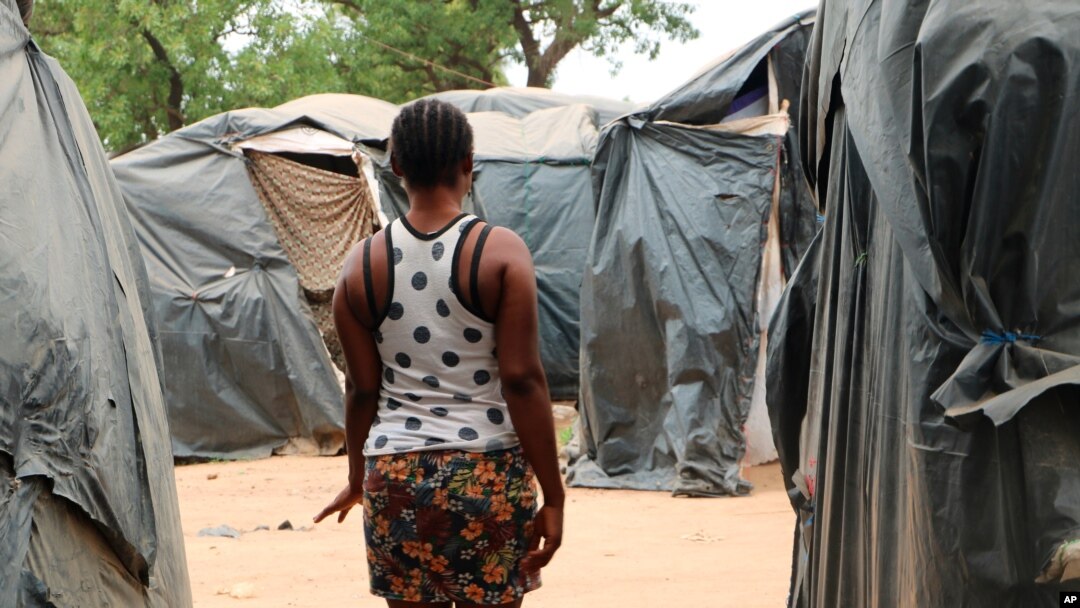
By Odunewu Olusegun
Survivor alleges trafficking syndicate uses false overseas employment offers, bush routes through Benin Republic and debt bondage to trap more than 40 Nigerian girls, including minors.
An alleged human trafficking network is reportedly luring young Nigerian girls to Mali with promises of well-paid jobs in Germany, only to subject them to sexual exploitation, intimidation and financial extortion after transporting them across the country’s borders through irregular migration routes.
An account provided by a Nigerian woman who claims to be trapped in Mali has exposed the alleged operations of a trafficking syndicate accused of recruiting girls, some reportedly as young as 15, under the pretext of securing legitimate employment in European restaurants.
The survivor alleged that the women were promised jobs in Germany, with assurances that they would earn weekly salaries from which the cost of their travel and relocation would gradually be deducted.

However, she said the promised employment opportunities were a deception designed to lure unsuspecting girls out of Nigeria and place them under the control of the alleged traffickers.
According to her account, the recruitment process begins with assurances that travel documents are ready in Lagos and that prospective migrants only need to travel to the city to complete arrangements for their departure.
But after arriving in Lagos, the girls are allegedly subjected to repeated postponements until an intermediary takes them out of Nigeria through unofficial routes into neighbouring Benin Republic.
READ ALSO; Ghanaian court sentences 2 Nigerians to 40 years’ imprisonment for human trafficking, cybercrime
The survivor claimed that the journey then continues through remote locations, with the girls allegedly moved from one bush route to another until they reach Mali.
She said the use of irregular routes leaves the victims without reliable access to telephone networks or opportunities to contact their families and seek assistance.
N2m CFA debt allegedly imposed on each girl
The most disturbing aspect of the account concerns what allegedly happens after the girls arrive in Mali.
The survivor claimed that each girl is required to pay approximately two million CFA francs, described as the debt incurred in bringing her into the country.
Those who refuse to accept the arrangement or participate in the activities demanded by the alleged traffickers are reportedly threatened with the confiscation of their mobile phones and personal belongings.
She alleged that the arrangement effectively places the girls under the control of the operators, who use the claimed travel debt to compel them into prostitution.
The survivor further claimed that the girls are forced to have sexual encounters with different men in Mali daily, with proceeds allegedly handed over to the woman identified in her account as the principal recruiter.
“We are more than 40 girls here, and each girl pays her two million CFA francs. Every day, we have to have sex with different Malians just to earn money for this woman,” she alleged.
She identified the alleged female recruiter only as Pretty and claimed that the woman operates with a male associate who allegedly beats girls who refuse to comply with instructions.
The allegations against both individuals have not been independently verified, and neither has been given an opportunity to respond.
Girls allegedly cut off from families
The survivor said communication restrictions and the fear of retaliation have made it difficult for the girls to seek help or alert their families.
READ ALSO: NAPTIP warns students against human trafficking through social media
According to her, internet access is limited to specified periods through Wi-Fi, reportedly between 9am and 3pm and again from 6pm to midnight.
She explained that the restricted communication arrangement makes it difficult to maintain contact with people outside the location.
The woman also expressed fear that she could be punished if the alleged operators discovered that she was communicating details of their activities to outsiders.
She said some of the other girls had warned her against openly rejecting the arrangement, prompting her to pretend to cooperate while looking for an opportunity to seek assistance.
“I am a victim, but when I complained to other girls I met here, they told me what would happen to me if I told that woman I was no longer interested. So I played along so they would not take my phone,” she said.
The survivor claimed that she had retained conversations with the recruitment agent and telephone recordings which could help establish how she was recruited and transported out of Nigeria.
She, however, declined to record videos or openly identify other alleged victims, citing fears that she could be discovered and subjected to further abuse.
Minors among alleged victims
Perhaps the most alarming element of the testimony is the claim that children are among those allegedly being exploited.
READ ALSO: Nigerian women recount horrors of human trafficking in North Africa, Middle East
The survivor alleged that most of the girls are from Akwa Ibom State and that several are between 15 and 18 years old.
She claimed that none of the girls in the group was above 18, although the ages and identities of the alleged victims have not been independently established.
If substantiated, the involvement of minors would represent an especially grave violation of Nigerian and international anti-trafficking protections.
Nigeria’s Trafficking in Persons (Prohibition), Enforcement and Administration Act, 2015, criminalises the recruitment, transportation, transfer, harbouring or receipt of persons through deception, fraud, coercion or abuse of vulnerability for exploitative purposes.
Section 16 specifically criminalises the recruitment or procurement of anyone below 18 for prostitution or other forms of exploitation, whether within or outside Nigeria.
The provision prescribes a minimum seven-year prison term and a fine of at least N1 million upon conviction.
The law also criminalises the exportation of persons from Nigeria for sexual exploitation, as well as the organisation or facilitation of foreign travel intended to promote prostitution and other forms of exploitation.
NAPTIP’s responsibility and the need for intervention
The allegations raise serious questions about the effectiveness of cross-border intelligence sharing, the monitoring of irregular migration routes and the protection of vulnerable Nigerian women and children seeking employment abroad.
The National Agency for the Prohibition of Trafficking in Persons (NAPTIP) is Nigeria’s principal agency responsible for investigating and prosecuting human trafficking offences, rescuing victims and coordinating rehabilitation and reintegration programmes.
Its mandate also includes collaboration with relevant security agencies and international partners to dismantle trafficking networks operating across national borders.
The Nigeria Immigration Service (NIS) also has an important role in border surveillance, migration control and the investigation of suspected illegal cross-border movements.
Given the alleged route through Benin Republic into Mali, effective intervention would require cooperation among Nigerian authorities, their Beninese and Malian counterparts, and Nigerian diplomatic representatives in Mali.
Evidence, investigation and unanswered questions
The survivor said she had preserved WhatsApp conversations with the alleged recruitment agent and recordings of telephone calls which could provide investigators with leads on the recruitment process, identities of intermediaries and movement of the victims.
However, the materials have not been independently authenticated, while the alleged number of victims, their ages, the amount collected from each girl and the identities of the suspected operators remain subject to verification.
Her account suggests that more than 40 Nigerian girls could be exposed to continued sexual exploitation, with minors potentially among them.


-

 Featured1 week ago
The cost of Renewed Hope: How Nigeria’s economic reforms are reshaping everyday family life
-
 Crime5 days ago
Kwara bandit deal under scrutiny as footage shows security operatives negotiating with terrorists [VIDEO]
-

 Business1 week ago
CBN forex reforms under scrutiny as Nigeria’s reserves drop $300m in 10 days
-

 Business1 week ago
NCC plans spectrum incentives to push telecom operators into more network investment
-

 Business3 days ago
NGX loses N3trn in three days as Dangote Cement, Aradel, Banks lead sell-off
-

 Entertainment7 days ago
2027 Grammys: Asake, Wizkid, Tems, Ayra Starr lead Nigerian nominees in African music category
-
 Latest1 week ago
Nigeria’s security crisis deepens as October death toll hits 835, highest in 2026
-

 Football5 days ago
Argentine teen footballer Abel Nunez dies after suffering head injury during match