
Business
Bank directors strip banks dangerously bare

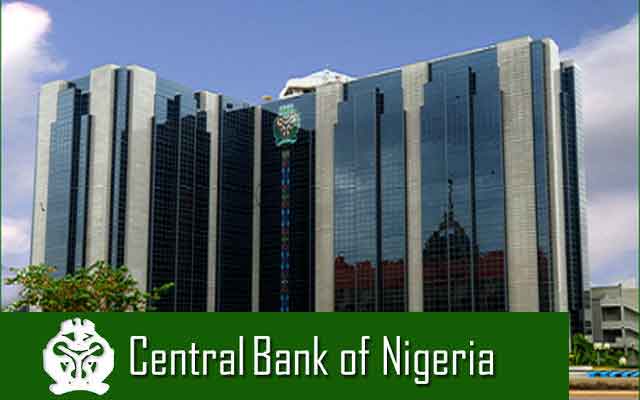
- responsible for N7.41 trillion NPLs
By Odunewu Segun
Insider abuses by directors in some of Nigeria’s financial houses if allow to fester may destroy what remains of the banking system in Nigeria, National Daily has gathered.
Critical analysis of a report presented by the Managing Director of the Nigeria Deposit Insurance Corporation (NDIC), Umaru Ibrahim to the House of Representatives Committee on Insurance and Actuarial Matters revealed bank directors’ non-performing credits relative to the total non-performing ones was scandalous and dangerous at 40 per cent (N.74 trillion of N1.85 trillion) in DMBs; 77.8 per cent (N68.25 billion of N87.75 billion) in MFBs; and 81.8 per cent (N42.3 billion of N51.7 billion) in PMIs.
What this means is that if, for any reason there is failure in meeting depositors’ cash withdrawal demands, another history of bank distress and failure or mergers and acquisitions may ensue.
Although the NDIC chief didn’t mention any particular bank or name, Oceanic Bank under Cecilia Ibru, Intercontinental Bank under Erastus Adegbola and Skye Bank under Tunde Ayeni readily comes to mind. While both Oceanic and Intercontinental Bank went under, the quick intervention of CBN in 2016 saved Skye Bank.
Although Ibrahim summarised his review of the Nigerian banking industry as ‘having strong fundamentals in regulatory assessment and rating’, he nevertheless, acknowledged that regulators were concerned about the rising trend of non-performing loans, poor earnings, erosion of shareholders’ funds, corporate governance and erosion of public confidence in the banking system.
According to financial experts, Nigeria cannot afford another financial sector crisis, especially under the prevailing economic circumstances. They reiterated that bank directors are the greatest threat and risk factor to the safety, soundness and stability of the Nigerian banking industry.
They argued that debtors should be subjected to the dictates of the law commencing with using their dividends for repayment of the facilities, selling their shares in the banks, foreclosing and selling assets used as collaterals and, where necessary, charging them to court for economic and financial crimes.
The industry’s well-meaning stakeholders must urgently find ways to deal with this menace as, otherwise, the bubble may soon bust.











-

 Featured5 days ago
Inside INEC’s race to prepare for Nigeria’s 2027 elections
-

 Latest1 week ago
UCTH faces morgue crisis as 50 unclaimed corpses await mass burial
-

 Featured5 days ago
2027: APC unveils nationwide campaign timetable, Tinubu to rally in 12 states
-

 Business1 week ago
BREAKING: Nigeria’s Inflation Rate Drops to 14.63% in September
-

 Business6 days ago
President Tinubu and the Low Transport Fares Fiasco
-
 Business5 days ago
Court dismisses ₦170m Trade Fair contract claim, says Zenith Bank was not a party
-
 Business2 days ago
Naira faces exchange rate gap as Dollar hits N1,380 on parallel market
-
 Latest5 days ago
Breaking: NNPCL raises petrol price to ₦1,405 per litre amid discount controversy